Owner’s manual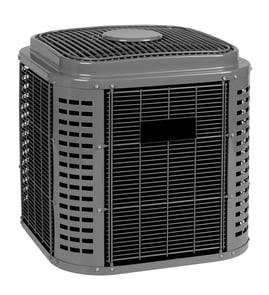





What tonnage is 38BRC030?
For the Carrier 38BRC030 condensing unit, the “030” in the model number typically indicates 30,000 BTU/h, which equals 2.5 tons of cooling capacity. Confirm the exact capacity for your specific system configuration in the owner's manual.
Quick conversion (BTU to tons)
Cooling capacity is commonly expressed in tons, where 1 ton = 12,000 BTU/h.
- 30,000 BTU/h ÷ 12,000 BTU/h per ton = 2.5 tons
- “024” models are often 2.0 tons (24,000 BTU/h)
- “036” models are often 3.0 tons (36,000 BTU/h)
Why the tonnage matters
Correct tonnage helps ensure proper comfort and efficiency. An oversized or undersized central air conditioner can lead to issues like short cycling, poor humidity control, and higher operating costs.
What to check to confirm your exact capacity
Use these identifiers to verify the rating on your specific outdoor unit and matched indoor equipment:
- The outdoor unit data plate (often lists capacity in BTU/h)
- The AHRI match (outdoor unit plus indoor coil/air handler pairing)
- The model number format (the “030” capacity code is the key clue)
- The system voltage and phase (important for compatibility, not tonnage)
Typical tonnage mapping for “030” models
| Model capacity code | Approx. BTU/h | Approx. tons |
|---|---|---|
| 030 | 30,000 | 2.5 |
Related maintenance note (helps performance)
Your manual emphasizes keeping airflow and the outdoor unit clear. For best performance:
- Keep the outdoor unit uncovered and unobstructed
- Clear leaves, grass clippings, and debris from the cabinet and coil area
- Maintain at least about 12 inches of clearance from tall grass and shrubs
Last updated: February 2026
How many sq ft will a 3 ton AC unit cool?
A 3-ton central AC system typically cools about 1,500 to 2,500 sq ft, but the real number depends on your climate, insulation, windows, ceiling height, and ductwork. For your Carrier 38BRC030 condensing unit, use the sizing guidance and operating tips in the owner's manual.
Typical coverage range (and what changes it)
Most 3-ton systems land in this range when the home has average insulation and standard 8-foot ceilings.
- Hotter climates usually need more capacity per sq ft (coverage trends lower)
- High ceilings increase the air volume you must cool
- Poor insulation or air leaks reduce effective coverage
- Large sun-facing windows add heat load
- Undersized or leaky ducts reduce delivered airflow
| Home/installation condition | What happens to coverage | What to do |
|---|---|---|
| Mild climate, good insulation | Higher end of range | Keep filters clean, keep coils clear |
| Hot/humid climate | Lower end of range | Improve sealing, shading, insulation |
| High ceilings or open plans | Lower end of range | Consider zoning or airflow improvements |
| Restricted airflow (dirty filter, blocked returns) | Feels undersized | Restore airflow first |
Quick checks before assuming the unit is “too small”
The manual highlights airflow and operating habits that directly affect comfort and capacity.
- Keep a clean air filter installed; a clogged filter raises cost and shortens unit life
- Do not block supply or return registers with furniture, drapes, or toys
- Keep the outdoor unit clear; maintain about 12 inches of clearance from tall grass, shrubs, and debris
- Avoid flipping power on and off to control temperature; use the thermostat properly
- Prevent rapid cycling; wait at least 5 minutes before restarting after shutdown
Why it matters
If the system is oversized or undersized for the home, you can see higher energy use, uneven temperatures, and humidity issues. Getting airflow and maintenance right often restores performance without changing tonnage.
Last updated: February 2026
What is the average life of a Carrier air conditioner?
A Carrier central air conditioner like model 38BRC030 typically lasts 15 to 20 years. With consistent maintenance (clean airflow, clear outdoor unit, and regular professional inspections), it’s common to reach the upper end of that range and reduce major repairs.
Typical lifespan and what affects it
Most central AC condensing units fall into a predictable lifespan range, but real-world conditions make a big difference.
- Maintenance frequency: annual (or at least every other year) professional inspection helps catch wear early
- Airflow management: a dirty air filter and blocked registers raise operating cost and shorten unit life
- Outdoor clearance: keep the condenser free of leaves, grass clippings, and debris; maintain about 12 inches of clearance from tall grass and shrubs
- Thermostat habits: avoid rapid cycling; wait at least 5 minutes before restarting after shutdown
- Coastal environments: ocean mist is corrosive; periodic washing of exposed surfaces and the coil extends life
Maintenance checklist we recommend
Use this as a practical baseline for protecting the compressor, fan motor, and coils.
- Inspect and replace or clean the air filter regularly
- Keep supply and return registers open and unobstructed
- Rinse debris off the outdoor coil (gentle water, power off first)
- Verify the condensate drain is flowing during cooling season
- Schedule a technician to check wiring connections, coil condition, and overall operation
Quick reference: habits that help vs. hurt
| Helps extend life | Shortens life |
|---|---|
| Clean filter and steady airflow | Running with a clogged filter |
| Clear condenser area and coil | Debris buildup and restricted outdoor airflow |
| Stable thermostat settings | Rapid cycling and frequent on/off switching |
| Periodic washing near the ocean | Salt exposure left on cabinet and coil |
Why it matters
A longer-lasting 38BRC030 system usually means fewer compressor and electrical failures, steadier cooling performance, and lower total cost of ownership over the life of the condensing unit. For model-specific operating and care guidance, follow the safety and maintenance sections in the owner's manual.
Last updated: February 2026
How long should a carrier AC compressor last?
A Carrier central AC compressor in a condensing unit like model 38BRC030 typically lasts 12 to 15 years with normal use and good airflow. Preventing rapid cycling and keeping the outdoor unit clear are two of the biggest factors in reaching that lifespan (see the owner's manual).
Typical compressor lifespan (what to expect)
Most residential central air conditioner compressors fall into this range:
| Usage and maintenance | Typical compressor life |
|---|---|
| Regular maintenance, good airflow, stable thermostat settings | 12 to 15 years |
| Poor airflow, dirty coils, frequent short cycling | 7 to 12 years |
| Severe conditions (debris buildup, electrical issues, overheating) | Under 10 years |
What shortens compressor life fastest
The manual guidance for this Carrier system highlights a few common compressor killers. Watch for:
- Restricted outdoor airflow (debris, tall grass, shrubs, items leaning on the unit)
- Covering the outdoor unit or allowing buildup on top of it
- Rapid cycling caused by thermostat “jiggling” or frequent temperature changes
- Turning the system on and off at the electrical supply instead of using the thermostat
- Dirty indoor or outdoor coils that force higher pressures and temperatures
Maintenance that helps you reach 12 to 15 years
We recommend these habits for a Carrier condensing unit like the 38BRC030:
- Keep the outdoor unit clear; maintain about 12 inches of clearance from tall grass, vines, and shrubs
- Remove leaves and grass clippings from around and on top of the unit
- Use the thermostat normally; avoid frequent setpoint changes and wait at least 5 minutes before adjusting after the compressor shuts off
- Have seasonal inspections that include electrical connections, coil cleaning, and an operational check
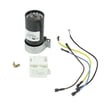
- If the compressor struggles to start (hums, trips, or hard-starts), consider a technician diagnosis; a hard start kit such as central air conditioner compressor hard start kit KSAHS1501AAA is commonly used in start-assist repairs when appropriate
Why it matters
A compressor is the most expensive component in the outdoor condensing unit. Good airflow and avoiding short cycling reduce heat and electrical stress, which directly improves efficiency and extends compressor life.
Last updated: February 2026
Is it cheaper to replace the AC unit or the compressor?
Replacing only the compressor is cheaper upfront than replacing the entire Carrier 38BRC030 condensing unit. It’s the better value when the rest of the system is in strong condition; if airflow, electrical, or coil problems exist, replacing the unit delivers better long-term cost control.
How we choose the better value
We base the decision on total risk and efficiency, not just today’s invoice:
- Age and overall condition of the outdoor unit and indoor coil
- Maintenance history (dirty filter, blocked registers, debris around the unit)
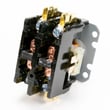
- Electrical wear (loose connections, burned wiring, failing contactor)
- Root cause of the compressor failure (short cycling, overheating)
- Expected efficiency improvement from a newer system
For operating and maintenance guidance that helps prevent repeat compressor damage, use the 38BRC030 owner's manual.
Quick cost and risk comparison
| Option | Upfront cost | Best when | Main risk |
|---|---|---|---|
| Replace compressor only | Lower | Unit is otherwise healthy | Another component fails soon after |
| Replace outdoor unit (or full system) | Higher | Multiple issues or poor efficiency | Higher initial spend |
Checks to do before committing to a compressor
The manual highlights conditions that damage compressors (rapid cycling and restricted airflow). Before major work:
- Avoid rapid restarts; wait at least 5 minutes after shutdown before restarting
- Keep outdoor airflow clear; maintain about 12 inches of clearance from tall grass, vines, and shrubs
- Replace or clean the indoor air filter regularly; a clogged filter raises cost and shortens equipment life
- Keep supply and return registers unblocked
- Have a technician inspect wiring/connections and clean indoor and outdoor coils
When a smaller part can solve a “compressor” complaint
Some no-cool or hard-start symptoms are starting or airflow related:
- Central air conditioner compressor hard start kit KSAHS1501AAA (helps a hard-starting compressor)
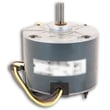
- Central air conditioner condenser fan motor HC35GE237 (a failed fan motor can overheat the compressor)
Why it matters
The compressor is the most expensive single component in the condensing unit. Fixing the underlying airflow or electrical cause prevents repeat failures and reduces total ownership cost.
Last updated: February 2026