
What is the best wet & dry vacuum cleaner?
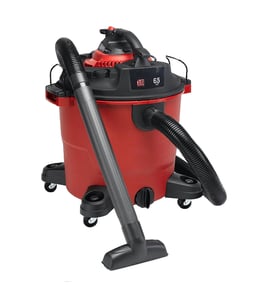
The best wet and dry vacuum depends on where you’ll use it and what you’ll pick up most often. For a shop, garage, or jobsite, a dedicated wet/dry vacuum like Craftsman model 113177751 is typically the best choice because it’s built for debris, spills, and durable hoses.
How we recommend choosing the “best” wet/dry vacuum
- Capacity (gallons): Bigger tanks mean fewer dump-outs for water pickup and heavy debris.
- Power (peak HP or amps): Higher power helps with sawdust, drywall dust, and wet pickup.
- Hose diameter and length: Wider hoses clog less; longer hoses reach farther.
- Filtration: Look for a fine-dust cartridge filter; use a foam sleeve for wet pickup when required.
- Noise and portability: Casters, handle design, and motor sound level matter in small spaces.
Quick match guide (what’s “best” for your use)
| Your main use | Best fit | What to prioritize |
|---|---|---|
| Garage and DIY projects | Wet/dry vacuum (like Craftsman 113177751) | Hose size, power, durability |
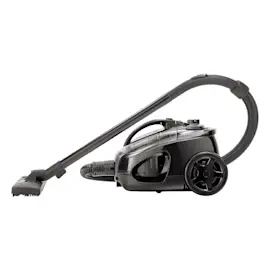
| Home floors and carpets | Upright or canister vacuum | Brush roll, sealed filtration |
| Fine dust (drywall, sanding) | Wet/dry vacuum with fine filtration | Filter quality, dust control |
| Occasional spills | Wet/dry vacuum | Wet pickup setup, easy draining |
Common setup tips that improve performance
- Use the correct filter for the job (dry filter for debris; wet setup for liquids).
- Keep the filter clean; a clogged filter reduces suction fast.
- Check the hose and inlet for blockages before assuming the motor is weak.
- Empty the tank before it gets overfilled; airflow drops when debris piles up.
Why it matters
Choosing the right style (wet/dry vacuum vs. household upright/canister) prevents clogs, protects the motor, and gives you stronger real-world suction for the messes you actually have.
For help confirming you have the right model number before comparing features, use how to find your appliance model number (and what it means for parts).
Last updated: February 2026
Where can I get CRAFTSMAN replacement parts?
You can get replacement parts for your Craftsman wet/dry vacuum model 113177751 from Sears PartsDirect, the Craftsman parts store, and other major retailers that carry Craftsman parts. For the best match, we always recommend searching by the exact model number on the vacuum’s data label.
Best places to buy Craftsman parts
- Sears PartsDirect: model-based lookup for diagrams and compatible parts
- Craftsman: official parts ordering by product type and model number
- Major retailers: common maintenance items and accessories (availability varies)
- Specialty parts sellers: helpful for older tools and hard-to-find components
How to make sure you order the right part
Using the model number is the fastest way to avoid returns, especially on wet/dry vacuum items like hoses, filters, casters, switches, and power cords.
- Confirm the model number is 113177751 (not a similar-looking number)
- Match the part description to your vacuum’s configuration (tank size, hose diameter, latch style)
- Compare photos and measurements when multiple versions are listed
- If the vacuum is older, check for a revision number or type on the label
- Order wear items together when it makes sense (filter plus foam sleeve, hose plus cuffs)
Quick checklist before you buy
| What to check | Why it matters | Example on a wet/dry vac |
|---|---|---|
| Model number | Ensures compatibility | 113177751 on the ID label |
| Hose diameter | Prevents fit issues | 1-1/4 in vs 2-1/2 in |
| Filter style | Affects suction and sealing | Cartridge vs foam sleeve |
| Electrical parts | Safety and correct wiring | Switch, cord, motor leads |
Why it matters
Wet/dry vacuums often share similar-looking parts across multiple Craftsman models. Ordering by model number helps ensure proper fit, good suction, and safe electrical operation.
For help confirming the model number on the vacuum, use how to find your appliance model number (and what it means for parts).
Last updated: February 2026
Is it worth getting a wet and dry vacuum?
Yes, a wet/dry vacuum is worth it when you regularly deal with both dry debris and liquid spills because one machine can handle sawdust, dirt, and water cleanup quickly. For a Craftsman wet/dry vacuum like model 113177751, the value is highest in garages, basements, workshops, and utility areas.
When a wet/dry vacuum is the right buy
A wet/dry vacuum pays off if you want faster cleanup and fewer tools for different mess types.
- You clean up liquid spills (water, slush, minor leaks) more than a few times a year
- You vacuum heavy debris (drywall dust, wood chips, garage grit)
- You want stronger pickup than many household vacuums
- You need a vacuum that can handle rougher environments (shop, car, basement)
- You prefer a bagless option for many jobs (depending on setup and filter choice)
When it might not be worth it
If your cleaning is mostly light indoor dust on carpet and upholstery, a standard upright or canister vacuum can be more convenient.
- Mostly carpeted rooms and pet hair detailing
- Tight storage space and you will not use it often
- You need very quiet operation
- You want a lightweight, cordless everyday vacuum
Quick comparison: wet/dry vacuum vs household vacuum
| Feature | Wet/dry vacuum (like Craftsman 113177751) | Typical household vacuum |
|---|---|---|
| Liquid pickup | Yes (with correct setup) | Usually no |
| Heavy debris | Excellent | Fair to good |
| Fine dust control | Good with the right filter | Good |
| Portability | Moderate | Often easier |
| Best location | Garage, shop, basement | Living areas |
Why it matters
Using the right vacuum for the job protects floors and saves time. A wet/dry vacuum is built for mixed messes and tougher debris, so you are less likely to clog the hose, damage filters, or turn a spill into a bigger cleanup.
Practical tips to get the most value
- Use the correct filter for the material you are picking up (fine dust needs finer filtration)
- Switch to the proper wet pickup configuration before vacuuming liquids
- Empty the tank promptly after wet pickup to prevent odors
- Check the hose and seals if suction drops
- Keep a basic electrical test tool handy for troubleshooting power issues; see how to use a multimeter to test electrical parts video
Last updated: February 2026
Do you leave the filter in a wet dry vac when vacuuming water?
For the Craftsman wet/dry vacuum model 113177751, we remove the dry paper cartridge filter and any dust bag before vacuuming water. For wet pickup, we use the correct wet-use filter setup (often a foam sleeve or wet filter) so airflow stays open and the motor stays protected.
What to do before picking up water
- Unplug the vacuum.
- Remove the dry paper cartridge filter.
- Remove any disposable dust bag (if your setup uses one).
- Install the wet-use filter option if your vac uses one (commonly a foam sleeve over the filter cage).
- Confirm the float shutoff moves freely (it stops suction when the tank is full).
- Empty the tank as soon as suction changes or the float closes.
Quick rule of thumb (wet vs. dry)
| Pickup type | Filter in place? | Why |
|---|---|---|
| Dry debris (sawdust, drywall dust) | Yes, use the dry cartridge filter | Captures fine dust and keeps it out of the motor |
| Water or wet sludge | No dry cartridge filter; use wet-use filter setup if equipped | Prevents clogging and waterlogging that kills suction |
Why it matters
A dry paper filter swells and clogs when it gets wet. That restriction reduces airflow, overheats the motor, and can leave you with poor suction and a messy cleanup. Using the correct wet configuration also helps the float shutoff work the way it should.
Helpful tips for safer wet pickup
- Keep the hose end above the waterline when starting so the motor ramps up smoothly.
- Use short passes and watch the tank level; wet pickup fills the canister fast.
- After wet pickup, rinse and dry the tank and hose to prevent odors.
- Let any foam sleeve or washable filter dry completely before switching back to dry pickup.
For more DIY safety basics while troubleshooting electrical issues (switch, cord, motor), use our guide: are diy appliance repairs safe.
Last updated: February 2026
What should you not vacuum with a wet dry vac?
For the Craftsman wet/dry vacuum model 113177751, do not vacuum anything that is hot, burning, explosive, or likely to clog the filter and hose (such as fine drywall dust). These materials can damage the motor, melt the hose, or create a serious safety hazard.
Materials to avoid (most common)
- Hot or burning debris: fireplace ash, charcoal, cigarettes, welding slag
- Flammable or explosive materials: gasoline, solvents, paint thinner, oily rags, fuel vapors
- Fine powders (unless you have the correct fine-dust filter and setup): drywall dust, concrete dust, flour
- Large sharp debris: big glass shards, razor blades, sharp metal scraps
- Reactive or corrosive liquids: strong acids, bleach mixtures, harsh drain chemicals
- Sticky wet messes: wet plaster, joint compound slurry, glue-like spills that harden in the hose
What we recommend instead (safer options)
If you need to pick up one of the items above, these approaches protect your vacuum and your space:
| Mess type | Better approach | Why it helps |
|---|---|---|
| Hot ash or coals | Let it cool completely; use an ash-rated vacuum | Prevents melted parts and fire risk |
| Drywall/concrete dust | Use a fine-dust filter and a dust bag; clean filter often | Reduces clogging and motor strain |
| Gasoline/solvents | Use absorbent and dispose properly | Avoids ignition and fumes |
| Glass/metal shards | Pick up large pieces by hand first | Prevents punctures and hose damage |
Quick checklist before you vacuum anything questionable
- Make sure debris is cool to the touch.
- Confirm it is not flammable and not giving off strong vapors.
- Use the right filter for the job; fine dust needs fine filtration.
- Empty the tank before wet pickup; keep wet and dry messes separated.
- Stop if suction drops; a clogged filter can overheat the motor.
Why it matters
Wet/dry vacuums are tough, but the motor depends on steady airflow. Hot debris, flammables, and fine powders are the top causes of melted hoses, clogged filters, and premature motor failure.
For more DIY safety basics before troubleshooting or repairs, use our guide: are diy appliance repairs safe.
Last updated: February 2026
Where to find model number on CRAFTSMAN Wet Dry Vac?
On a Craftsman wet/dry vacuum like model 113177751, the model number is printed on the vacuum’s rating label (a sticker or metal tag) attached to the tank or motor housing. We use that exact model number to match the right filters, hoses, and replacement parts.
Common places to check first
Look for a label that includes MODEL and often SERIAL.
- On the rear of the powerhead (motor housing) near the handle
- On the side or back of the tank/canister
- Near the cord wrap or power switch area
- Under the top lid where the powerhead meets the tank rim
- On the bottom of the tank (less common)
Quick steps to find it fast
- Unplug the wet/dry vac.
- Remove the hose and check the tank exterior for a label.
- Check the powerhead next, especially the back and sides.
- Wipe dust off the label with a dry cloth; use a flashlight at an angle.
What the label usually looks like
| Label text | What it means | Example |
|---|---|---|
| Model or MOD. | The number used to match parts | 113177751 |
| Serial or S/N | Production identifier | Varies |
| Electrical | Power details | Volts/amps |
Why it matters
Craftsman wet/dry vac parts vary by tank size, latch style, and motor housing design. Using the exact model number (for example, 113177751) helps us avoid mismatched items like the wrong cartridge filter, float cage, or hose diameter.
If the label is missing or unreadable
- Check for a second label on the powerhead if the tank label is gone
- Look for a stamped number on older tanks near the rim
- Use our guide: how to find your appliance model number (and what it means for parts)
Last updated: February 2026
What is the list of vacuum cleaner parts?
For the Craftsman wet/dry vacuum model 113177751, the parts you commonly see fall into a few main groups: airflow (motor and fan), filtration (filter and seals), collection (tank and latches), and cleaning reach (hose and wands). Exact names vary by configuration, but these categories stay consistent.
Common wet/dry vacuum parts (what they do)
- Motor and fan/impeller: creates suction and moves air through the vacuum
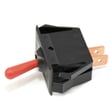
- Power switch and cord: supplies power and controls on/off
- Filter (cartridge, foam sleeve, or bag): traps dust and debris before air exits
- Filter cage and retainer: supports and secures the filter
- Tank/canister and lid (powerhead): holds debris; lid houses the motor assembly
- Hose and hose coupler: carries airflow and debris from the tool to the tank
- Wands/extension tubes: add reach for floors, stairs, and vehicles
- Nozzles and tools: floor nozzle, utility nozzle, crevice tool, dusting brush
- Drain cap (on some tanks): makes liquid emptying easier
- Casters/wheels and axle hardware: improves mobility
- Gaskets, seals, and latches: prevent air leaks that reduce suction
Quick checklist: parts customers replace most often
- Filters (clogged, torn, or wet when they should be dry)
- Hose (cracks, splits, loose cuffs)
- Switch or power cord (intermittent power)
- Seals and gaskets (loss of suction)
- Casters/wheels (hard to roll)
Parts list by function (at-a-glance)
| Function | Typical parts | Common symptom when worn |
|---|---|---|
| Suction/airflow | motor, fan/impeller, seals | weak suction, overheating |
| Filtration | cartridge/foam filter, filter cage | dust blowing out, clogging |
| Collection | tank, latches, drain cap | leaks, lid won’t seal |
| Reach/cleaning | hose, wand, nozzles | poor pickup, hard to use |
Why it matters
Knowing the part group helps you troubleshoot faster. For example, weak suction is usually a filter restriction or air leak (hose, lid seal, tank latch) before it is a motor problem.
For model-number matching when ordering Craftsman vacuum cleaner parts, use how to find your appliance model number (and what it means for parts).
Last updated: February 2026
Who manufactures Craftsman vacuums?
For the Craftsman 113177751 wet/dry vacuum, Craftsman is the brand name on the product; manufacturing can vary by model and production run, and it is commonly handled by a contracted manufacturer rather than built by Craftsman itself. The most reliable way to identify the maker for your exact unit is to match the model and any ID information on the rating label.
How to identify the manufacturer on your specific vacuum
Check the vacuum’s rating label (often on the tank, motor head, or near the cord wrap). Look for a company name, an “MFG” code, or an address line.
- Unplug the vacuum and remove the motor head to access the label area safely
- Write down the full model number: 113177751
- Record any additional numbers (serial number, date code, or “type”)
- Note the electrical rating (amps/volts) because it helps confirm the exact motor configuration
- Use the recorded info when ordering parts or troubleshooting
What “Craftsman” means for manufacturing
Craftsman is a brand that has been owned and licensed by different companies over time; as a result, the factory that built a Craftsman wet/dry vacuum can differ across years.
| What you see | What it tells you | Why it matters |
|---|---|---|
| Craftsman nameplate | Brand | Helps you find compatible accessories and parts categories |
| Model number 113177751 | Model family identifier | Narrows diagrams and part compatibility |
| Rating label maker/address | Actual manufacturer | Best clue for cross-referencing equivalent parts |
Why it matters
Wet/dry vacuums often share similar hoses, filters, switches, and motor components across brands, but small differences (port size, latch style, filter mount) can change fit. Confirming the exact model and label details prevents wrong-part returns and speeds up repair.
Helpful resource
If you need help confirming you have the right model number before shopping for parts, use how to find your appliance model number (and what it means for parts).
Last updated: February 2026