Installation guide
 Owner’s manual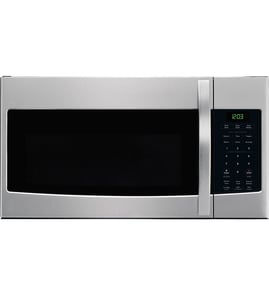



What is the size of the Kenmore Model 721 microwave?
For the Kenmore microwave/hood combo model 72180039700, the overall outside dimensions are 29 15/16 in. wide x 16 7/16 in. high x 15 11/16 in. deep. These are the cabinet dimensions used for fit and installation planning; see the 72180039700 installation instructions for clearances and mounting details.
Dimensions and key specs for this model
Here are the model-specific measurements and electrical specs we use most often for planning an over-the-range install:
- Overall dimensions (W x H x D): 29 15/16 in. x 16 7/16 in. x 15 11/16 in.
- Oven cavity dimensions (W x H x D): 21 9/16 in. x 9 1/4 in. x 14 1/8 in.
- Oven capacity: 1.6 cu. ft.
- Microwave output: 1000W
- Rated power consumption: 1500W (includes microwave + cooktop lamp + ventilation fan)
Quick reference table
| Measurement | Size |
|---|---|
| Width | 29 15/16 in. |
| Height | 16 7/16 in. |
| Depth | 15 11/16 in. |
| Cavity capacity | 1.6 cu. ft. |
Why it matters
Getting the exact width, height, and depth for 72180039700 helps you confirm cabinet fit, required clearance above the cooktop, and whether your venting plan (roof venting, wall venting, or recirculating) will work before you start drilling.
Helpful tip before you measure
- Measure the cabinet opening width (commonly 30 in. minimum for over-the-range installs)
- Confirm the distance from cooktop to cabinet bottom meets the minimum clearance
- Plan the power cord hole location in the upper cabinet
- Decide on venting method before cutting any duct openings
Last updated: January 2026
How many CFM is a microwave hood?
For the Kenmore 72180039700 microwave/hood combo, the exact exhaust fan CFM rating is not identified in the model-specific information we have for this unit. In general, most microwave hood combinations are designed in the 200 to 500 CFM range, depending on the fan speed and venting setup.
What to check on your Kenmore 72180039700
The most reliable places to confirm CFM are the product rating label and the ventilation section of the documentation.
- Check the model and serial label (often on the oven front area or inside the door frame)
- Review the ventilation and exhaust fan operation details in the 72180039700 use & care manual
- If you are changing venting (room venting vs wall or roof venting), follow the 72180039700 installation instructions
- Confirm your duct type and length; long duct runs and multiple elbows reduce real airflow
- Make sure filters are clean; clogged filters can noticeably cut airflow
Typical CFM ranges (helpful for planning)
| Venting product type | Typical CFM range | Common use case |
|---|---|---|
| Microwave/hood combo | 200 to 500 | Light to moderate cooking |
| Standard under-cabinet range hood | 200 to 600 | Moderate to heavier cooking |
| Commercial-style hood | Up to ~1200 | High-heat, frequent cooking |
Why it matters
CFM affects how well your microwave hood clears smoke, steam, and odors. If your cooking style includes frequent frying, high-heat searing, or wok cooking, choosing a higher-CFM ventilation solution (and proper ducting) can make a noticeable difference.
Last updated: January 2026
Can a Kenmore microwave be repaired?
Yes. A Kenmore microwave, including model 72180039700, can often be repaired when the problem is limited to serviceable parts (like a blown fuse, door latch issue, or venting components). For safety, any repair involving high-voltage components should be handled by a qualified technician.
What we recommend checking first (safe, basic checks)
- Confirm the outlet has power (try a different small appliance).
- Check the house breaker or fuse.
- Make sure the door closes firmly and latches fully.
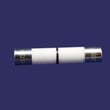
- If the display is dead or the unit is totally unresponsive, a blown internal fuse is a common cause.
- If the unit runs but does not heat, the issue is often in the high-voltage heating circuit.
Common repairs for model 72180039700
These are some of the more common repair paths for this microwave/hood combo:
| Symptom | Often related to | Typical next step |
|---|---|---|
| No power, no display | Internal fuse | Inspect and replace the fuse if blown |
| Runs but does not heat | Magnetron or other high-voltage parts | Professional diagnosis recommended |
| Door will not latch or won’t start | Door latch or interlock system | Inspect latch alignment and switches |
| Poor venting or flap noise | Vent damper components | Inspect damper door and mounting |
Parts that are commonly involved
If your troubleshooting points to a specific component, these model-compatible parts are examples of what may be used:
- Microwave fuse 3B74133Q
- Microwave magnetron 2B71165R
- Microwave door latch 4026W2A019A
- Microwave vent damper door 4900W1A001B
Why it matters
Microwaves contain high-voltage components that can store dangerous electrical energy even when unplugged. Using the correct Kenmore model 72180039700 parts and following the right procedure helps restore safe operation and prevents repeat failures.
Helpful documentation
- Use the 72180039700 use & care manual for operating checks, cleaning guidance, and troubleshooting steps.
Last updated: January 2026