Error Codes



Are bottom mount fridges better?
For many households, yes: a bottom-mount refrigerator like the Whirlpool WRF555SDFZ19 is often “better” because the fresh-food section sits at eye and waist level, so the items you use most (milk, produce, leftovers) are easier to see and reach while the freezer stays in a lower pull-out drawer.
What you gain with a bottom-mount design
- Better everyday ergonomics for fresh-food access
- Improved visibility of refrigerated items (less forgotten food)
- Freezer organization is easier with a drawer and baskets
- Less bending for frequently used items
- Often a good fit for cooks who use fresh ingredients daily
When a bottom-mount is not the best choice
Bottom-mount models are not automatically “better” for every home. Consider these common tradeoffs:
- You bend more to access frozen foods
- Freezer drawers can feel heavier when fully loaded
- Some layouts have less door-bin space than side-by-side designs
- If you use the freezer more than the fridge, a top-freezer can feel more convenient
Quick comparison
| Style | Best for | Common drawback |
|---|---|---|
| Bottom-mount (like WRF555SDFZ19) | Fresh-food-first households | More bending for freezer use |
| Side-by-side | Equal fridge/freezer use, narrow kitchens | Narrower fridge shelves |
| Top-freezer | Budget-focused, freezer-heavy use | More bending for fridge use |
Why it matters
“Better” comes down to how you use your refrigerator. If you open the refrigerator section far more than the freezer, bottom-mount models usually feel more comfortable day to day and help keep fresh food more accessible.
Related maintenance tip (helps any style)
If you have a water dispenser or ice maker, staying on top of filter changes prevents slow dispensing and off-tastes. Our step-by-step guide, how to change the water filter in a Whirlpool refrigerator, walks through the process.
Last updated: February 2026
Why does my Whirlpool bottom freezer leak out of the bottom right side front?
On a Whirlpool WRF555SDFZ19 bottom-mount refrigerator, water leaking from the bottom right front is usually caused by a defrost drain that is clogged or frozen; meltwater cannot flow to the drain pan, so it overflows and runs out the front.
Most common causes (and what to check first)
- Clogged defrost drain: Food particles, ice, or sludge blocks the drain opening under the evaporator.
- Frozen drain tube: The drain is clear but iced shut, so defrost water backs up.
- Door not sealing: Warm, humid air enters and creates excess frost and meltwater.
- Drain pan shifted or cracked: Water reaches the pan but does not stay contained.
- Ice maker or water line seep: A slow drip can track to the front and look like a drain leak.
Quick diagnostic steps (10 to 20 minutes)
- Confirm it is water, not refrigerant oil: Water is clear and dries; oil is slick and does not evaporate.
- Look for ice buildup on the freezer floor: A sheet of ice strongly points to a drain issue.
- Check door closure: Close a dollar bill in the gasket; it should resist being pulled out.
- Inspect the right door gasket for gaps or tears: If it is loose, warm air drives heavy frosting.
- If you have an ice maker: Check the fill tube area and the water tubing connection for drips.
Fix options and when parts help
| Symptom you see | Most likely issue | Typical fix |
|---|---|---|
| Ice sheet on freezer bottom | Frozen/clogged defrost drain | Thaw ice, flush drain with hot water, clear debris |
| Water only after door left open | Excess humidity and frost | Improve door seal and closing habits |
| Drip near dispenser/ice maker use | Water line seep | Tighten fittings, inspect tubing |
| Gasket visibly warped or torn | Air leak | Replace gasket |
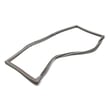
If the right fresh food door seal is not sealing evenly, replacing the Whirlpool refrigerator door gasket, right (gray) W10830055 restores the air seal and reduces frost that can overwhelm the drain.
Why it matters
A recurring leak can refreeze into thick ice, restrict airflow, and cause temperature swings in the freezer and fresh food sections. Fixing the drain path and door seal early prevents repeat icing and water damage.
Last updated: February 2026
What is the lifetime of a Whirlpool refrigerator?
Most Whirlpool refrigerators, including the Whirlpool WRF555SDFZ19 bottom-mount refrigerator, typically last about 10 to 15 years with normal household use. Regular cleaning, correct temperatures (37°F fresh food, 0°F freezer), and fixing small issues early help you reach the full expected lifespan.
Typical lifespan and what affects it
A refrigerator’s life depends more on operating conditions and maintenance than brand alone.
- Heavy use (large households, frequent door openings) shortens lifespan
- Poor airflow around the cabinet makes the compressor work harder
- Dirty condenser coils raise running temperatures and wear
- Door seal leaks cause longer run times and frost issues
- Ice maker and dispenser use adds wear to water system components
Quick maintenance checklist (best ROI)
We recommend these habits for the WRF555SDFZ19 and similar Whirlpool bottom-mount models:
- Clean condenser coils every 6 to 12 months (more often with pets)
- Keep vents inside the fridge and freezer unblocked
- Confirm doors close fully; replace worn seals when needed
- Set and verify temps with a thermometer (not just the control setting)
- Replace water filters on schedule and purge air after changes
When a “small part” can extend refrigerator life
If the refrigerator thinks the door is open, lights can stay on and cooling performance can suffer. A failed door switch is a common, inexpensive fix.
| Symptom | Common cause | What to check first |
|---|---|---|
| Lights stay on with door closed | Door switch not actuating | Test/replace refrigerator door switch W11396033 |
| Warm fresh food, freezer OK | Airflow restriction or damper issue | Inspect vents; consider damper operation |
| Frost buildup, long run times | Door not sealing | Inspect gasket for gaps/tears |
Why it matters
A refrigerator that runs longer and hotter than designed wears out the compressor and sealed system faster. Simple airflow, temperature, and door-seal checks reduce run time and help the unit reach the normal 10 to 15 year service life.
For water and ice system upkeep that also supports long-term reliability, follow how to change the water filter in a Whirlpool refrigerator.
Last updated: February 2026
What is the most common problem with Whirlpool refrigerators?
The most common problem we see on Whirlpool refrigerators, including the Whirlpool WRF555SDFZ19 bottom-mount refrigerator, is a cooling complaint: the fresh food section warms up, temperatures swing, or the freezer starts frosting. In most cases, the cause is restricted airflow, a door-seal issue, or a defrost drainage problem.
Most common symptoms
- Refrigerator section warm but freezer still cold
- Frost or ice buildup on the back wall of the freezer
- Water puddles under the crisper drawers or on the floor
- Ice maker stops producing ice or makes small cubes
- Lights stay on or do not come on when the door opens
Quick checks that fix many “common problems”
- Clean the condenser coils (unplug the refrigerator first); dirty coils reduce cooling capacity.
- Confirm airflow; keep food from blocking interior vents and return air paths.
- Check door sealing; look for gaps, torn gasket areas, or doors that do not close fully.
- If you see puddles or ice sheets, clear the defrost drain opening and flush it with hot water.
- Test the door switch; a stuck switch can leave lights on and add heat.
Model-matched parts that often relate to these issues
If basic checks do not solve it, these WRF555SDFZ19 parts are commonly involved:
- Refrigerator damper control assembly WPW10196393 (controls cold air flow into the fresh food section)
- Refrigerator door switch W11396033 (signals door closed; affects lights and can impact cooling performance)
- Whirlpool refrigerator door gasket, right (gray) W10830055 (prevents warm air leaks that cause frost and temperature swings)
| Problem you notice | Most likely category | What to check first |
|---|---|---|
| Fresh food warm | Airflow/cooling | Coils, vents, damper operation |
| Water under drawers | Defrost drainage | Drain opening, ice blockage |
| Ice maker weak/no ice | Water supply/ice system | Filter, water line, ice bin |
| Frost around door | Door seal/alignment | Gasket condition, door closing |
Why it matters
Cooling and leak problems usually start small, but they can lead to food spoilage, ice buildup that blocks airflow, and longer run times that increase wear on key components.
Helpful DIY guides
- Whirlpool refrigerator error codes
- How to get rid of refrigerator puddles
- How to prevent water dispenser and ice maker problems
Last updated: February 2026