


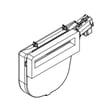
How to fix rubber seal on KitchenAid dishwasher?
On KitchenAid dishwasher model KDTM404KPS3, a “rubber seal” problem is usually a door gasket that has slipped out of its channel or a worn bottom door seal. We fix it by cleaning the sealing surfaces, pressing the seal in evenly end-to-end, and replacing it if it’s torn, hardened, or won’t stay seated.
Quick checks before you reinstall the seal
- Turn off power at the breaker and avoid running a cycle while the seal is loose.
- Inspect the seal for splits, flattened sections, or areas that feel stiff or sticky.
- Check the tub lip and inner door for detergent buildup or food debris.
- Confirm the door closes squarely and the racks are not preventing full closure.
- Look for leak tracks: water at the corners often points to a gasket seating issue.
How we reinstall a door gasket (most common “rubber seal”)
- Clean the gasket channel and tub lip with warm water and mild soap; dry fully.
- Start at the top center and press the gasket into the channel a few inches at a time.
- Work evenly down both sides; avoid stretching the gasket.
- Close and latch the door firmly; keep it closed for several hours so the gasket “sets.”
If the gasket is damaged or keeps popping out, replacement is the reliable fix.
Which seal is likely on your KDTM404KPS3?
| Symptom | Most likely seal area | What we do |
|---|---|---|
| Drips at bottom center of door | Bottom door seal | Replace the bottom seal |
| Leaks at upper corners/sides | Door gasket around tub opening | Reseat or replace gasket |
| Water seems to come from door edges only on heavy loads | Door not sealing evenly | Check loading, rack alignment, and gasket seating |
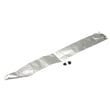
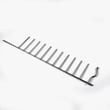
For bottom-edge leaks, the correct part to address is the seal, door bottom W11664713.
Why it matters
A properly seated door seal keeps wash water inside the tub, protects the control area from moisture, and prevents slow leaks that can damage flooring and cabinets.
Last updated: February 2026
What is the average lifespan of a KitchenAid dishwasher?
A KitchenAid dishwasher like model KDTM404KPS3 typically lasts 10 to 14 years. You can often reach the high end of that range by keeping the wash system clean, maintaining good water flow, and replacing wear items (like filters and door seals) before leaks or poor cleaning start.
What affects lifespan the most
- Hard water and heavy daily use increase wear on the pump, heater, and seals
- A clogged filter reduces wash performance and strains the circulation system
- Leaks at the door can damage surrounding cabinets and flooring
- Poor draining can leave dirty water in the sump and cause odors
- Overloading can block spray arms and lead to repeat cycles
Maintenance that extends life (best habits)
We recommend these routine steps for KDTM404KPS3:
- Clean and reinstall the dishwasher filter W11568785 regularly
- Rinse debris from the spray arm ports and check for obstructions
- Run a monthly cleaning cycle using a dishwasher cleaner
- Confirm the drain hose has a proper high loop and is not kinked
- Wipe the door sealing surfaces; replace seals if they’re torn or deformed
Common “end-of-life” symptoms and what they usually mean
| Symptom | Most common cause | What to check first |
|---|---|---|
| Not cleaning well | Restricted water flow | Filter, spray arms, water inlet |
| Not draining | Drain restriction | Drain hose, sink/disposal connection |
| Leaking at door | Worn seal or misload | Door seal, rack alignment |
| Won’t start or stops | Latch or control issue | Door latch, power, error codes |
If you’re seeing error lights or a repeating fault pattern, use the KitchenAid microclean he dishwasher error codes guide to narrow the problem to the wash motor, fill system, drain system, or door latch.
Why it matters
Dishwashers usually fail gradually, not all at once. Simple upkeep (especially filter cleaning and leak prevention) protects the circulation pump and sump area, improves cleaning, and helps you avoid costly water damage.
Last updated: February 2026
What model dishwasher is KDTM404KPS3?
KDTM404KPS3 is a KitchenAid dishwasher model number. If you’re shopping parts or troubleshooting, using the exact model number KDTM404KPS3 ensures you match the correct configuration for racks, seals, pumps, and controls used on this specific dishwasher.
What the model number tells you
KDTM404KPS3 identifies the exact KitchenAid dishwasher version; the last digits can matter because KitchenAid may use different parts or revisions across similar-looking models.
Common items that vary by model revision include:
- Control console and user interface layout
- Rack style and adjusters
- Door seals and tub gaskets
- Wash system components (spray arms, manifold)
- Drain hose routing and connection style
Parts you can match to KDTM404KPS3
If you need to confirm you’re on the right parts list, these are examples of model-matched parts shown for KDTM404KPS3:
Quick part-to-symptom guide
| Symptom | Common part area to check | Example model-matched part |
|---|---|---|
| Not filling | Water inlet and fill valve | Fill valve assembly W11434044 |
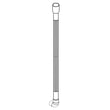
| Not draining | Drain path and hose | Dishwasher drain hose W11551233 |
| Poor cleaning | Filter and spray system | Dishwasher filter W11568785 |
| Leaking at door | Door seals and gaskets | Seal, door bottom W11664713 |
Why it matters
Dishwashers that share a similar name (for example, KDTM404KPS) can still use different racks, seals, or electronic controls. Matching parts by KDTM404KPS3 prevents ordering a part that fits a different revision.
Last updated: February 2026
What is the most common problem with the KitchenAid dishwasher?
For the KitchenAid KDTM404KPS3 dishwasher, the most common day-to-day problem we see is poor cleaning (food left on dishes) caused by restricted water flow from a dirty filter, clogged spray components, or loading that blocks spray. Leaks from door sealing surfaces are another frequent issue.
Quick checks that fix most “not cleaning” complaints
- Clean the filter area and remove debris that can restrict circulation.
- Confirm the spray arms spin freely and are not blocked by tall items.
- Load so plates do not “nest” and block water; keep the center path open.
- Use fresh detergent and run hot water at the sink before starting the cycle.
- If you see standing water or slow drain, inspect the drain path and hose routing.
If cleaning problems persist after basic maintenance, a worn or restricted filter can be the turning point; the dishwasher filter W11568785 is a common maintenance replacement.
When the “common problem” is actually a leak
Most leaks come from the door area or oversudsing, not from the tub itself. On KDTM404KPS3, check the door sealing surfaces first and look for tears, flattening, or gaps.
- Inspect the tub opening for food buildup where the gasket seals.
- Check the bottom edge of the door for damage or warping.
- Avoid hand-wash soap or non-dishwasher detergents (they cause suds and leaks).
- Make sure the dishwasher is level and not tilted forward.
If the leak is at the bottom of the door, the seal, door bottom W11664713 is the correct door-bottom sealing part to consider.
Symptoms-to-likely-cause guide
| Symptom | Most likely cause | What to do first |
|---|---|---|
| Dishes still dirty | Restricted circulation or blocked spray | Clean filter; verify spray arm movement |
| Cloudy film | Detergent, water temp, or rinse aid issue | Use fresh detergent; run hot water first |
| Water on floor at door | Door seal issue or suds | Clean sealing surfaces; check door-bottom seal |
| Won’t start or stops | Latch or control issue | Check door closes firmly; inspect latch |
For start or stopping issues, the dishwasher wont start video walks through the most common checks, including door closure and power basics.
Why it matters
Poor cleaning and small leaks usually get worse over time: restricted water flow strains the circulation system, and a compromised door seal can turn a minor drip into floor damage. Regular filter cleaning and correct loading prevent most repeat problems.
Last updated: February 2026
Which dishwasher to stay away from?
We don’t recommend “avoid lists” for dishwashers because reliability varies more by specific model, installation, and maintenance than by brand name alone. If you’re shopping, the safest approach is to avoid any dishwasher with a pattern of repeat service issues (leaks, no-drain, no-start, poor cleaning) and choose a model with readily available service parts and support.
What to avoid when choosing a dishwasher
Avoid models that show these common red flags in reviews and service history:
- Frequent reports of water leaks at the door or tub seal area
- Recurring “won’t start” or intermittent power/control problems
- Chronic “not draining” complaints (often tied to hose routing or pump issues)
- Poor cleaning performance even with correct loading and detergent
- Hard-to-source parts or long backorders for key components
A practical way to “stay away” is to skip any model where the same failure repeats across many owners, especially for core systems like the wash pump, drain path, or door latch.
How we evaluate a dishwasher model (simple checklist)
Use this quick checklist before you buy:
| What to check | Why it matters | What “good” looks like |
|---|---|---|
| Parts availability | Repairs stay affordable | Common parts show as in stock |
| Leak history | Prevents cabinet/floor damage | Few leak complaints over time |
| Drain performance | Avoids standing water/odor | Consistent “drains fully” feedback |
| Control reliability | Prevents no-start issues | Few reports of dead panels |
For KitchenAid models like KDTM404KPS3, we focus on whether key wear items are easy to replace, such as the latch assembly (includes switch) W11412299 and the dishwasher filter W11568785.
If you already own KDTM404KPS3 and want to prevent the “avoid list” problems
These steps reduce the most common dishwasher complaints:
- Clean the filter regularly and rinse off heavy food soil
- Confirm the drain hose has a proper high loop and is not kinked
- Load so spray arms can spin freely; don’t block the detergent dispenser
- Use rinse aid and run hot water at the sink before starting a cycle
- Address small leaks early by inspecting door seals and tub gasket areas
Helpful troubleshooting resources
Why it matters
Most “bad dishwasher” experiences come from a few repeatable issues: poor draining, leaking, or control/latch failures. Choosing a model with strong parts support and maintaining the filter, drain path, and seals helps you avoid those problems long-term.
Last updated: February 2026
What are the commonly replaced parts in a dishwasher?
In a KitchenAid dishwasher like model KDTM404KPS3, the most commonly replaced parts are the ones that handle water flow, washing action, draining, and door sealing. We typically see replacements for the inlet and fill components, filters, spray-arm assemblies, door latch parts, drain hoses, and racks due to clogs, leaks, wear, or physical damage.
Commonly replaced parts (and what they do)
- Water fill parts: control water entering the tub; failures often show up as no fill, slow fill, or overfilling.
- Wash system parts: move and spray water for cleaning; problems show up as poor cleaning or unusual noise.
- Drain parts: remove dirty water; problems show up as standing water or drain errors.
- Door sealing and latching parts: keep water in and allow the cycle to run; problems show up as leaks or a unit that will not start.
- Racks and rack components: wear, rust, or broken wheels and tines cause loading issues.
Model-relevant examples for KDTM404KPS3
Here are several parts we often see replaced on this model when symptoms match:
| Symptom you notice | Part category to check | Example part for this model |
|---|---|---|
| Not filling or fills slowly | Water inlet and fill valve | Fill valve assembly W11434044 |
| Not draining, water left in bottom | Drain hose and drain path | Dishwasher drain hose W11551233 |
| Poor cleaning, weak spray | Spray arm/manifold and filters | Dishwasher manifold and spray arm assembly W11545334 |
| Cloudy results, debris on dishes | Filters | Dishwasher filter W11568785 |
| Door will not latch or cycle will not start | Door latch and switch | Latch assembly (includes switch) W11412299 |
| Leaks at the door | Door seals and gaskets | Seal, door bottom W11664713 |
| Rack won’t roll well or is damaged | Racks | Dishwasher dishrack, lower W10728159 |
Why it matters
Replacing the right part first saves time and prevents repeat failures. For example, a “not cleaning” complaint is often a clogged filter or spray issue, while a “won’t start” complaint is commonly tied to the latch and switch.
Quick checks before you order parts
- Clean the filter area and remove debris from the sump.
- Confirm the spray arms spin freely and holes are not blocked.
- Check the drain hose for kinks and verify the sink drain/air gap is clear.
- Inspect the door seal for tears, gaps, or deformation.
- If you see an error code, match it to the symptom before replacing parts using KitchenAid microclean he dishwasher error codes.
Last updated: February 2026