Owner’s manual
 View engine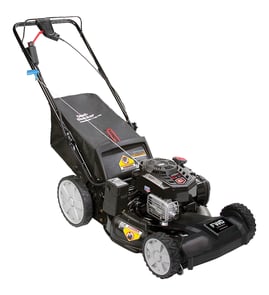



Are gas lawn mowers being phased out?
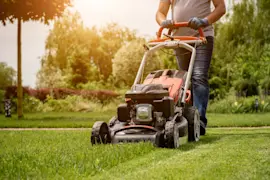
Gas walk-behind mowers like the Craftsman 917374020 are not being phased out everywhere at once; the shift is gradual and depends on where you live and what retailers choose to stock. Electric models are growing fast for residential mowing, but gas mowers remain common for many homeowners and tougher cutting conditions.
What “phased out” usually means
Most changes happen in two ways: restrictions on new sales in certain areas and fewer gas models on store shelves. Existing gas mowers can still be used and maintained with normal service parts.
What you can do if you own a Craftsman 917374020
Keeping your mower reliable is mainly about routine maintenance and using the correct replacement parts listed for your model.
- Follow the maintenance schedule and safety steps in the Craftsman 917374020 owner’s manual
- Keep the mower housing and underside of the deck clean after mowing
- Replace wear items on time (blade, spark plug, air filter, drive components)
- Use fresh fuel and consider fuel stabilizer for storage
- Inspect the muffler for corrosion and replace it if needed
Parts support: what typically stays available
Even when product lines change, common service parts usually remain available for years because owners still need blades, cables, wheels, and hardware.
| Common need | Example part for this model | What it affects |
|---|---|---|
| Replace a worn or bent blade | Lawn mower 22-in deck 3-in-1 blade 532420463 | Cut quality, vibration, mulching/bagging |
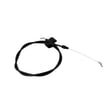
| Fix self-propel issues | Lawn mower drive control cable 588479201 | Drive engagement and speed control |
| Restore safe discharge control | Lawn mower clipping deflector 532426129 | Discharge direction and debris control |
Why it matters
If your area or preferred retailer is shifting toward battery equipment, planning ahead helps: you can keep the Craftsman 917374020 running with proper tune-ups and correct parts, or compare the long-term convenience of electric for your mowing routine.
Last updated: January 2026
What are common self-propelled mower problems?
Common self-propelled problems on the Craftsman 917374020 usually come from the drive system not fully engaging or the mower being too hard to roll due to deck drag. Start by checking the drive control feel, wheel condition, and for grass buildup under the deck; then confirm the correct operating steps in the 917374020 owner's manual.
Most common symptoms and what they point to
- Mower will not move when drive is engaged: drive cable out of adjustment, worn transmission components, or a drive wheel issue
- Moves but slips or slows down: debris buildup under the deck, drive wheel wear, or transmission wear
- Hard to push (even with drive off): cutting height too low, grass packed under the deck, wheel drag
- Excessive vibration: bent or loose blade, damaged blade adapter, or bent crankshaft (stop using it and inspect)
Quick checks we recommend (fastest to slowest)
- Safety first: shut the engine off and wait for the blade to stop before inspecting or cleaning.
- Check for deck drag: if grass and debris are packed under the mower, the drive can feel weak.
- Verify cutting height: too-low height can make the deck and blade drag in heavy grass.
- Inspect the drive control cable: a stretched or damaged cable can prevent full engagement.
- Inspect the drive wheels: worn tread or internal wear can reduce traction.
Parts that commonly relate to drive complaints on this model
| Symptom | Part to inspect | Example part for this model |
|---|---|---|
| Drive will not engage or feels loose | Drive control cable | Lawn mower drive control cable 588479201 |
| Poor traction or uneven drive | Drive wheel | Lawn mower drive wheel 532403111 |
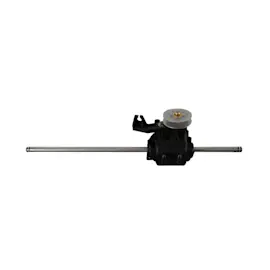
| Drive is inconsistent or noisy | Transmission | Lawn mower transmission assembly 589600601 |
Why it matters
A self-propelled mower that is slipping or hard to push often has a simple root cause (deck buildup or cutting height). Fixing that early reduces strain on the transmission, drive cable, and wheels, and helps prevent bigger drive failures.
Last updated: January 2026
What gas do I put in my lawn mower?
For the Craftsman rotary lawn mower model 917374020, use fresh regular unleaded gasoline (most commonly E10). Avoid old fuel and don’t fill the tank until you’ve added the correct engine oil first, since this mower ships without oil or gasoline; see the 917374020 owner’s manual.
Recommended fuel (what to use and what to avoid)
- Use fresh, clean regular unleaded gasoline.
- E10 (up to 10% ethanol) is the most common and works for most walk-behind mower engines.
- Avoid stale fuel (fuel that has been sitting for weeks or months).
- Avoid higher-ethanol blends (commonly sold as E15 or E85) because they can cause hard starting and fuel-system issues.
- Use a clean, approved gas can and keep dirt and water out of the tank.
Quick checklist before you fuel up
- Add the correct engine oil first (this mower is shipped without oil).
- Fill outdoors with the engine off and cooled down.
- Don’t overfill; leave a little space for expansion.
- Wipe up spills before starting.
- If fuel will sit, add stabilizer and store it properly.
Fuel storage guidance (typical best practice)
| Situation | Best choice | Why |
|---|---|---|
| Mowing weekly | Fresh regular unleaded (often E10) | Reliable starting and steady power |
| Fuel may sit 30+ days | Fresh fuel plus stabilizer | Helps reduce varnish and gum deposits |
| End of season storage | Treat fuel and follow storage steps | Helps prevent spring no-start problems |
Why it matters
Using the right gasoline helps your Craftsman mower start easier, run smoother, and reduces carburetor and fuel-system problems that often show up after fuel sits too long.
Related DIY help
If you’re dealing with old fuel symptoms (hard starting, surging, stalling), follow the steps in how to keep lawn mower gas from going bad.
Last updated: January 2026