Owner’s manual




What is the most common cause of air compressor failure?
The most common cause of air compressor failure is poor maintenance that leads to overheating, air leaks, and accelerated wear of internal pump components. On the Craftsman 919167784, daily tank draining and keeping airflow and fittings in good shape prevents many of the failures we see.
Most common failure drivers (and what they look like)
- Water left in the tank: causes internal rust and tank weakening; draining daily is critical.
- Air leaks: hissing at fittings, check valve, or pressure switch release valve; the unit cycles more and runs hotter.
- Restricted intake airflow: dirty intake filter reduces output and increases heat.
- Check valve problems: constant leaking at the pressure release valve when the compressor is off.
- Overuse for the tool demand: compressor cannot keep up with SCFM needs, leading to long run times and heat.
Quick prevention checklist for Craftsman 919167784
- Drain the tank daily or after each use.
- Listen for leaks and check fittings with a soapy water solution; tighten gently (do not overtighten).
- Keep the compressor in a clean, dry location and protect the cord and hose from damage.
- If the drain valve plugs, release all tank pressure before removing and cleaning it.
- Match your air tool requirements to the compressor’s output; if demand is higher, use a larger compressor.
Troubleshooting map: symptom to likely cause
| What you notice | Common cause | What we recommend first |
|---|---|---|
| Safety valve pops or tank pressure seems too high | Pressure control issue | Turn unit off; have pressure controls serviced per the owner's manual |
| Constant air leak at pressure switch release when off | Check valve seat issue | Replace or clean the check valve (per procedure guidance) |
| Big pressure drop when using a tool | Normal drop or regulator needs adjustment | Adjust regulated pressure under flow conditions |
| Won’t keep up with tool | Compressor undersized | Verify SCFM requirement and reduce demand |
Why it matters
Most “failures” start as small issues (water in the tank, minor leaks, restricted intake) that force longer run times. Longer run times increase heat and stress on seals and valves, which turns a simple maintenance task into a major repair.
For step-by-step symptom diagnosis, use our DIY guide: air compressor won't start.
Last updated: February 2026
How do I find my compressor model number?
Your Craftsman air compressor model number is printed on the rating label or data plate attached to the unit. For model 919.167784, the manual shows the model number on the rating label, and you can also match it to the parts list in the owner's manual.
Where to look on the compressor
Check these common spots first (use a flashlight and wipe dust off the label):
- On the air tank (front, side, or near the base)
- On the frame or handle area
- Near the motor/pump shroud or rear shroud
- Close to the power cord entry point
- On a warning/rating label cluster (often grouped together)
What the label usually includes
Most Craftsman compressor labels include more than just the model number. Look for:
- Model number (example: 919.167784)
- Serial number (used to identify production run)
- Electrical rating (volts, amps, Hz)
- Tank and pressure information (max PSI, safety markings)
Quick checklist to confirm you have the right number
Use this to avoid mixing up a serial number with the model number:
| Item on label | What it’s used for | What it looks like |
|---|---|---|
| Model number | Finding correct parts and diagrams | Often starts with 919. on Craftsman compressors |
| Serial number | Identifying the specific unit | Longer string, may include letters |
| Part number | Identifying a specific component | Varies; appears in parts lists, not always on the tank label |
Why it matters
The model number controls which parts diagram, pressure switch, check valve, regulator, and pump assembly listings match your compressor. Using the exact model number prevents ordering the wrong component and helps troubleshooting steps line up with your unit.
Last updated: February 2026
Are air compressor parts interchangeable?
Most air compressor parts are not interchangeable because they’re matched to the exact Craftsman air compressor model 919167784 and its design (pump style, motor, pressure switch settings, tubing, and fittings). Some external fittings can interchange if the thread type and size match, but mismatches commonly cause leaks or unsafe operation.
What’s usually model-specific (not interchangeable)
These parts are typically engineered for a specific compressor layout and pressure range:
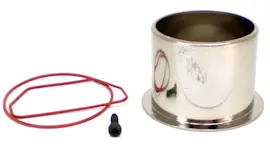
- Pump assembly and internal pump components (valve plate, head, gasket, rings)
- Motor and start capacitor
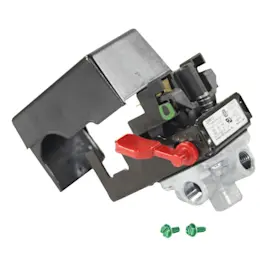
- Pressure switch (cut-in and cut-out settings)
- Regulator and regulator repair kit
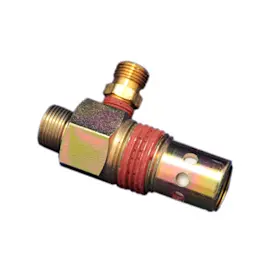
- Check valve and safety valve
- Shrouds, tubes, and mounting hardware (fit and routing)
The 919167784 parts list in the owner's manual shows many components by specific part numbers (for example, pump assembly, motor, pressure switch, regulator, and check valve), which is a strong sign they are not universal swaps.
What can sometimes interchange (with careful matching)
Some connection points are more standardized, but you still need to match thread and style:
- Quick-connect couplers and plugs (industrial, automotive, ARO profiles vary)
- NPT threaded nipples and bushings (size and thread seal are critical)
- Air hose fittings (diameter, thread, and flow rating must match)
Quick check before swapping any fitting
- Confirm thread type and size (commonly NPT on many shop compressors)
- Match the coupler plug “profile” (do not mix styles)
- Use proper thread sealant and re-check for leaks with soapy water
Compatibility checklist for 919167784 parts
| Part type | Interchangeable? | What must match |
|---|---|---|
| Pump assembly | No | Mounting, RPM, airflow, valve design |
| Pressure switch | Usually no | Cut-in/cut-out PSI, port size, wiring |
| Regulator | Sometimes | Port size, flow rating, pressure range |
| Quick-connect | Sometimes | Profile type, NPT size, seal quality |
Why it matters
Using the wrong pump, pressure switch, or valve can prevent the compressor from building pressure, cause hard starting, or create persistent air leaks. The manual also notes the unit can cycle automatically when powered, so correct parts and safe service steps matter.
If you’re troubleshooting a no-start condition while checking compatibility, use our air compressor won't start guide to narrow down whether the issue is electrical, pressure-related, or a failed component.
Last updated: February 2026
Is it worth it to repair a compressor?
Repairing a Craftsman 919167784 air compressor is worth it when the problem is a normal wear item (like a pressure switch, regulator, check valve, or air filter) and the tank is sound. If the air tank is leaking or damaged, replacement is the right choice because the tank must not be repaired.
When repair makes sense
We recommend repair when the issue is isolated, repeatable, and tied to serviceable components.
- The compressor won’t start but power is present (often pressure switch, wiring, or motor overload)
- It runs but won’t build tank pressure (often check valve, intake filter restriction, pump valves)
- You hear air leaking at fittings or the unloader area (often fittings, check valve, regulator)
- The regulated pressure drops under use and needs adjustment under flow conditions
- Maintenance items are overdue (dirty air filter, water in tank)
Helpful next steps: use the troubleshooting and maintenance sections in the owner's manual.
When replacement is the better decision
The manual is clear that certain conditions are not “repair” situations.
- Leaking or damaged air tank: replace the tank or replace the entire compressor
- Any drilling, welding, or modification to the tank: do not do this; it weakens the tank
- Safety valve or pressure-control modifications: do not alter factory-set operating pressures
- Chronic overheating from overuse: if it must run constantly, the compressor is undersized for the tools
Quick decision guide
| What you’re seeing | Typical best move | Why |
|---|---|---|
| Air tank leak or tank damage | Replace compressor (or tank if available) | Tank must not be repaired |
| Constant leak at pressure release valve when off | Repair (check valve) | Common failure; serviceable |
| Won’t start with pressure in tank | Repair (unloader/check valve/pressure switch) | Often a control or valve issue |
| Excessive run time to keep up with tools | Replace with larger capacity | Tool demand exceeds compressor output |
Why it matters
Air compressors store high pressure air. A safe, reliable tank and correctly set pressure controls protect you from over-pressurization and component failure. Daily draining and staying within a 50% to 75% duty cycle (about 30 to 45 minutes per hour) also helps prevent repeat breakdowns.
For symptom-based troubleshooting, use our DIY guides like air compressor won't start or air compressor won't build tank pressure.
Last updated: February 2026
What company makes Craftsman air compressors?
Craftsman air compressors are built for the Craftsman brand by multiple manufacturers, and the maker varies by model and production run. For Craftsman model 919167784, the most accurate way to identify the manufacturer is to use the rating label information and the parts list in the 919167784 owner's manual.
How to identify the manufacturer for model 919167784
Use the information that is physically on your compressor and match it to the documentation.
- Find the rating label on the tank or frame and record the full model number: 919167784
- Record any additional identifiers on the label (date code, serial number, or spec number)
- Compare the label details to the repair parts section and diagrams in the manual
- Match major assemblies listed in the manual (pump assembly, pressure switch, regulator, check valve)
- Use the manual terminology to avoid ordering the wrong style of part
What we can confirm from the manual
The 919167784 owner's manual identifies this unit as a permanently lubricated, 2-stage, twin V, portable air compressor and includes an itemized repair parts list. The manual supports correct part identification and service procedures, even when the OEM name is not printed.
Quick reference
| What you’re checking | Where to look | What it tells you |
|---|---|---|
| Model number 919167784 | Rating label | Exact product identity |
| Parts list and diagrams | Owner’s manual | Correct component names and configurations |
| Serial or date code | Rating label | Production run details that can affect parts |
Why it matters
Craftsman used different OEMs over time; identifying your exact model and configuration prevents mismatched parts and helps troubleshooting issues like won’t start, air leaks, or low tank pressure.
Last updated: February 2026