Owner’s manual
 Error Codes



How to remove bottom grill from KitchenAid refrigerator?
On the KitchenAid KBRA20EMSS00 bottom-mount refrigerator, the bottom grill (toe kick plate) typically snaps onto the lower frame. We remove it by gripping the grill and pulling it straight forward to release the retaining clips; then we lift it away. Reinstall by aligning and snapping it back into place.
Steps to remove the bottom grill (toe kick)
- Unplug the refrigerator or switch off power at the breaker (recommended if you will reach near wiring).
- Open both refrigerator doors for better access.
- Grip the grill at both ends (or near the center) and pull straight toward you.
- If it feels stuck, pull one side forward slightly, then the other side; avoid twisting.
- Set the grill aside and keep any screws (some versions use screws at the ends).
If the grill will not come off
Most toe kicks are clip-on, but some are secured with screws.
| What you see | What to do |
|---|---|
| No visible fasteners | Pull straight forward to pop the clips loose |
| Screws at the left/right ends | Remove screws first, then pull forward |
| Grill flexes but will not release | Pull from both ends evenly; do not pry hard against the cabinet |
Why it matters
Removing the toe kick gives access for cleaning and for checks that affect cooling performance, such as clearing dust near the condenser area and inspecting for water leaks or airflow obstructions.
Helpful tip from our documentation
For model-specific illustrations of the toe kick and clip locations, use the owner's manual.
Last updated: February 2026
What is the most common problem with KitchenAid refrigerators?
The most common KitchenAid refrigerator problems are ice maker and water system issues (slow or no ice, weak water flow) and cooling complaints (warm fridge, freezer OK, or temperature swings). On the KitchenAid KBRA20EMSS00, these symptoms are often tied to airflow, defrost drainage, or water filtration and supply.
Most common symptoms we see
- Ice maker not making ice or making hollow/small cubes
- Water dispenser flow slows down
- Fresh food section warms up while freezer stays cold
- Frost buildup on the back wall or in the freezer
- Water pooling under crisper drawers or on the floor
- Unusual fan noise or intermittent humming
Quick checks that fix a lot of “common problems”
- Confirm temperatures: set refrigerator to about 37°F and freezer to about 0°F; allow 24 hours to stabilize.
- Check airflow: make sure vents are not blocked by food packages.
- Replace the water filter on schedule: a restricted filter can reduce water flow and affect ice production. Use the correct refrigerator filter EDR4RXD1.
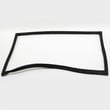
- Inspect door sealing: a poor seal causes moisture, frost, and temperature swings; see how to fix a fridge door seal.
- Look for a clogged defrost drain: puddles inside the refrigerator usually point here.
What to check based on the symptom
| Symptom | Most likely area | What to do next |
|---|---|---|
| No ice or slow ice | Water supply or filter restriction | Replace filter; verify household water is on and line is not kinked |
| Warm refrigerator, freezer OK | Evaporator airflow problem | Listen for the evaporator fan; troubleshoot airflow and frost patterns |
| Frost buildup | Defrost system or door sealing | Check gasket sealing and signs of heavy frost |
| Water under drawers | Defrost drain issue | Clear drain path and confirm drain pan is positioned correctly |
Why it matters
Ice maker and cooling problems often start small (a slowly clogging filter, a door not sealing, or reduced airflow) and then turn into food spoilage, heavy frost, or leaks. Catching the early signs helps protect the compressor and keeps temperatures stable.
Model-specific help for KBRA20EMSS00
For control settings, filter location, and maintenance intervals specific to your KitchenAid KBRA20EMSS00, use the owner's manual.
Last updated: February 2026
What is the bottom part of a refrigerator called?
The “bottom part” of a refrigerator is most often the compressor area (the machinery compartment), which houses the compressor and other cooling-system components. On your KitchenAid KBRA20EMSS00 bottom-mount refrigerator, this is typically the section where the sealed-system parts and airflow components live.
What you might be referring to
People use “bottom part” to mean different things. Here are the most common:
- Compressor compartment: where the compressor runs and heat is rejected
- Condenser area: tubing/coil that releases heat (often near the compressor)
- Drain pan area: where defrost water evaporates (commonly near the bottom)
- Freezer section: on a bottom-mount model, the freezer drawer is the bottom compartment
Common bottom components (and what they do)
Here are a few parts commonly associated with the bottom/back of the refrigerator:
| Area | What it does | Example part for this model |
|---|---|---|
| Sealed system | Compresses and circulates refrigerant | Refrigerator compressor W10309989 |
| Condenser section | Releases heat from the refrigerant | Refrigerator condenser WP67006131 |
| Defrost system | Helps prevent frost buildup on the evaporator | Refrigerator heater WP67002493 |
Why it matters
Knowing which “bottom part” you mean helps you troubleshoot correctly. For example, a loud hum or clicking often points toward the compressor area, while warm temperatures with poor airflow can point toward fan or defrost-related issues.
Quick troubleshooting tips (before replacing parts)
- Make sure the refrigerator has a few inches of clearance for airflow behind and below.
- Clean dust from the lower rear area (unplug first) to improve cooling efficiency.
- If you hear a fan noise, check for ice buildup or an obstruction.
- If cooling is weak, confirm the doors seal and close fully.
- Use the component diagrams and checks in the KBRA20EMSS00 owner's manual to match symptoms to the correct area.
Last updated: February 2026
What is the lifespan of a KitchenAid refrigerator?
Most KitchenAid refrigerators, including the KitchenAid KBRA20EMSS00 bottom-mount refrigerator, last 12 to 15 years with normal household use. With consistent cleaning, correct temperatures, and timely part replacement, 10 to 17 years of service is common; use the KBRA20EMSS00 owner's manual for model-specific care and settings.
Typical lifespan and what affects it
A refrigerator’s life depends heavily on operating conditions and maintenance.
- Heat and airflow: Dusty condenser areas and tight clearances make the sealed system work harder.
- Door seal condition: A leaking gasket causes longer run times and temperature swings.
- Fan performance: Weak evaporator airflow leads to warm temps and frost buildup.
- Water system upkeep: Clogged filters reduce flow and can contribute to dispenser or ice maker issues.
- Usage habits: Frequent door openings and overpacking reduce efficiency.
What “end of life” usually looks like
Common aging symptoms include:
- Food temperatures drift above safe ranges
- Frost buildup returns quickly after defrosting
- Loud or intermittent fan noise
- Water leaks or slow dispenser or ice maker fill
- Compressor runs almost constantly
Quick temperature targets
| Compartment | Target temperature | Why it matters |
|---|---|---|
| Fresh food section | 37°F to 40°F | Keeps food safe without freezing produce |
| Freezer | 0°F to 5°F | Maintains ice quality and safe frozen storage |
Maintenance that extends life (and saves energy)
We recommend these practical steps for KBRA20EMSS00 owners:
- Confirm temperature settings and allow 24 hours after changes
- Keep interior vents unblocked for even airflow
- Clean dust from condenser areas regularly
- Replace the water filter on schedule; use the refrigerator filter EDR4RXD1
- Inspect and clean door gaskets; follow how to fix a fridge door seal if the seal is loose, torn, or warped
Why it matters
When a refrigerator runs longer to hold temperature, key components wear faster (compressor, evaporator fan motor, defrost system). Basic upkeep helps your KitchenAid bottom-mount refrigerator cool evenly, reduce noise, and avoid premature failures.
Last updated: February 2026