Owner’s manual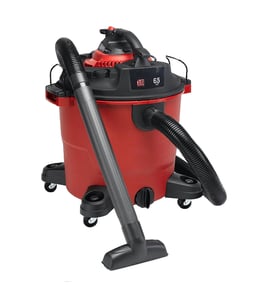





What is the best wet and dry vacuum?
The “best” wet/dry vacuum depends on what you’re cleaning and where you’re using it. For a Craftsman model like 12516819, the best choice is the one that matches your job type (shop debris vs. fine dust), uses the correct filter setup, and is operated safely per the 12516819 owner’s manual.
Use these factors to narrow it down quickly:
- Job type: workshop sawdust, garage debris, fireplace ash, or occasional spills
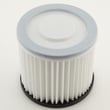
- Filtration: fine dust needs a properly installed cartridge filter and cage
- Capacity and portability: larger tanks reduce emptying; smaller units store easier
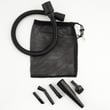
- Hose and tool reach: longer hose and wands help for cars, corners, and stairs
- Maintenance: easy filter cleaning and tank washout keeps suction strong
For model 12516819, filtration and safe use drive real-world results. The manual emphasizes using the vacuum with the filter installed and not using a torn filter; that protects the motor and helps maintain suction.
If you’re seeing weak pickup, start with the filter system:
- Confirm the cartridge filter is seated flush and pushed in fully
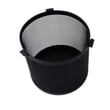
- Make sure the filter cage is installed and locked (do not overtighten)
- Replace a clogged or damaged filter with the correct part
Helpful parts for this model include:
| Use case | What “best” means | What to prioritize |
|---|---|---|
| Garage and shop cleanup | Strong pickup, durable hose | Hose condition, tool set, tank size |
| Fine dust (drywall, sanding) | Cleaner exhaust, less clogging | Correct filter, pre-filter, frequent cleaning |
| Tight spaces (car, corners) | Better reach and access | Crevice tool, wand length |
A wet/dry vacuum can look powerful but still perform poorly if the filter is missing, torn, or installed incorrectly. Correct filtration also reduces dust blow-by and helps prevent premature motor wear.
Last updated: January 2026
Is a wet and dry vacuum cleaner worth it?
Yes, a wet/dry vacuum is worth it when you regularly deal with heavier debris, garage or shop messes, or occasional spills. For Craftsman model 12516819, it is built for tougher cleanup and maintenance tasks; using the right filter setup is key for performance and safety (see the 12516819 owner's manual).
A wet/dry vacuum earns its keep when you need more than basic carpet and floor pickup.
- Picks up larger debris that can clog many household vacuums
- Handles messy areas like garages, basements, workshops, and vehicles
- Works well for quick cleanup after DIY projects (sawdust, drywall dust, dirt)
- Lets you swap accessories like a crevice tool for tight spaces
- Supports routine maintenance like tank cleaning and filter care
This model’s manual emphasizes safe operation and proper filtration. For example, you should not run the vacuum with a torn filter or without the filter installed, and you should unplug before changing or cleaning the filter.
| If you often clean up… | A wet/dry vac is usually worth it because… |
|---|---|
| Garage and shop debris | It is designed for heavier dirt and dust loads |
| Fine dust | Filtration and pre-filtration help protect airflow |
| Tight corners | Attachments improve reach and pickup |
If suction drops or dust blows out, the fix is often in the filter stack or airflow path.
- Replace a clogged cartridge filter with the Craftsman shop vacuum filter AVCF3L
- Add or replace the Craftsman vacuum pre-filter AVPF to help keep the main filter cleaner longer
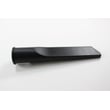
- Use a detail attachment like the cleva shop vacuum crevice tool 17838 for narrow areas
Wet/dry vacuums are “worth it” because they save time and reduce frustration on tough messes, but only when they are used with the correct filter and safe operating practices. Proper filter installation and routine tank cleaning also help protect the motor and maintain suction.
Last updated: January 2026
What should you not vacuum with a wet dry vac?
For the Craftsman wet/dry vacuum model 12516819, do not vacuum flammable liquids or vapors, toxic materials, or anything burning or smoking (cigarettes, matches, hot ashes). This model’s safety instructions also specify never vacuum liquids and only vacuum dry, cool material. See the 12516819 owner's manual.
- Flammable liquids, gases, or explosive vapors (gasoline, lighter fluid, solvent cleaners, oil-based paints): sparks inside the motor can ignite vapors.
- Explosive or combustible dusts (coal dust, magnesium dust, grain dust, gunpowder): can ignite or explode.
- Burning, smoking, or hot debris (cigarettes, matches, charcoal, hot ashes): fire risk.
- Liquids of any kind: this model is not intended for liquid pickup.
- Soot: the manual warns not to vacuum soot because it is combustible.
- Toxic materials: reduces risk of health hazards from vapors or dust.
| Material | Safe to vacuum with 12516819? | Notes |
|---|---|---|
| Cool, loose ash under 100°F (40°C) | Yes | Intended use; keep it dry and cool. |
| Hot ash, embers, charcoal | No | Fire risk. |
| Gasoline, paint thinner, aerosol vapors | No | Ignition risk from motor sparks. |
| Soot | No | Combustible deposits; avoid. |
| Water or wet spills | No | Manual says never vacuum liquids. |
- Use the correct attachment; the manual cautions against operating without the wand/crevice tool/mini hose.
- Keep the filter installed and intact; do not run with a torn filter.
- If suction drops, check for a blockage and empty the tank.
- Replace filtration parts when airflow stays weak after cleaning; a clogged filter is a common cause.
- For routine maintenance, consider replacing the Craftsman shop vacuum filter AVCF3L and inspecting the filter cage 551104113 for damage or poor fit.
Avoiding prohibited materials protects the motor, prevents fires and electric shock, and keeps filtration working correctly so dust does not blow out of the motor cover.
Last updated: January 2026
Where is the model number on Craftsman Shop Vac?
On the Craftsman wet/dry vacuum model 12516819, the model number is printed on the serial plate located on the vacuum. Use the 12516819 operator’s manual as the reference for identification and parts ordering.
We look for the serial plate in the spots that stay with the vacuum body and are easy to read during service.
- On the collection tank (canister), near the upper rim
- On the power head (motor housing), near the latches or handle
- On the rear of the unit near the cord wrap
- Near the hose inlet port
- On the underside of the power head (after lifting it off the tank)
The label usually includes both the model and other identifying information.
- Unplug the vacuum before moving the power head
- Wipe dust off the label so the print is readable
- Look for “Model No.” and a format like 125.16819
- Write it down exactly; punctuation and digits matter when matching parts
The model number is what we use to match the correct diagrams, maintenance steps, and replacement parts (filters, hose, and attachments) for your exact Craftsman configuration.
| What you need to do | What to use | Result |
|---|---|---|
| Order the right replacement part | Model number from the serial plate | Correct fit and function |
| Confirm maintenance steps | Model number + manual | Correct procedures |
| Speed up troubleshooting | Model number + symptom | Faster diagnosis |
Last updated: January 2026