Error Codes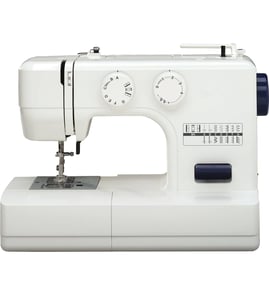

Are older sewing machines worth anything?
Yes, older sewing machines can be worth money, but most everyday machines sell for modest amounts unless they are rare, complete, and sew well. For a Kenmore sewing machine head model 15817550, value usually comes from condition, smooth operation, and whether it includes original accessories.
What drives the value most
- Working condition: consistent stitch quality, steady motor, and smooth handwheel movement
- Completeness: foot pedal, power cord, bobbin case, presser feet, and any original case
- Cosmetic condition: clean paint, readable markings, minimal rust, no cracks in plastic parts
- Service history: recently cleaned and oiled machines sell faster
- Local demand: vintage sewing communities and repair shops can affect pricing
Quick value ranges you can use
These are typical market ranges for common vintage mechanical machines (not rare collector models):
| Condition of the machine | Typical value range | What buyers expect |
|---|---|---|
| Not running or missing key parts | $0 to $50 | Parts machine or restoration project |
| Running but needs tuning | $50 to $150 | Usable with basic service |
| Clean, fully functional, complete | $150 to $300 | Ready to sew, includes accessories |
| Rare, collectible, pristine | $300+ | Verified model desirability and originality |
How to estimate your Kenmore 15817550 value in 15 minutes
- Plug it in and test the foot pedal response (no surging, no burning smell)
- Turn the handwheel by hand (should feel smooth, not gritty)
- Sew a few lines on cotton using straight stitch and zigzag (if equipped)
- Check that the bobbin winder works and the bobbin area is not damaged
- Confirm you have the needle plate, presser foot, and bobbin case installed
Why it matters
A vintage mechanical sewing machine that runs well is often more valuable as a dependable “workhorse” than as an antique. If it is missing hard-to-find parts, the machine’s best value may be as a donor for repairs.
For help confirming you have the correct model number before pricing or shopping for parts, use our guide: how to find your appliance model number (and what it means for parts).
Last updated: February 2026
When was the Kenmore 15817550 sewing machine made?
The Kenmore 15817550 sewing machine was produced during the era when many Kenmore 158-series mechanical machines were manufactured (commonly the 1970s into the early 1980s). For the most accurate year, match the machine’s identification plate details and any original paperwork to the model number.
How to narrow down the exact year
Use these checks on your Kenmore 15817550 sewing machine head:
- Confirm the model number is exactly 15817550 (not a close 158.xxxx variant)
- Look for an ID plate on the machine body (often on the back or underside)
- Check for a serial number or additional code near the model number
- Review any original receipt, service tag, or accessory case paperwork
- Compare cosmetic features (stitch selector style, light housing, faceplate markings) to known 158-series generations
What “158” means (and why it matters)
Kenmore model numbers that start with 158 identify a family of mechanical sewing machines that share many design traits. That helps when you are troubleshooting issues like thread tension problems, skipped stitches, or a jammed hook area, but it does not always pinpoint a single production year by itself.
Quick reference: what you can confirm vs. what you use to estimate
| Item | What it tells you | How it helps date the machine |
|---|---|---|
| Model number: 15817550 | Exact model identity | Confirms you are researching the right parts list |
| Serial number or code | Production batch info | Often the best clue for narrowing to a specific year |
| Styling and controls | Generation of the 158-series | Helps estimate decade when paperwork is missing |
Why the manufacturing date matters for parts and repairs
Knowing the approximate build era helps you choose compatible items such as needles, bobbins, belts (if equipped), light bulbs, and electrical components. It also helps set expectations for maintenance tasks like cleaning lint from the feed dogs, oiling approved points, and inspecting wiring insulation.
For help confirming you have the correct model number before ordering, use how to find your appliance model number (and what it means for parts).
Last updated: February 2026
What are the most common issues with 15817550?
The most common problems we see on the Kenmore 15817550 sewing machine head are thread bunching (birdnesting), skipped stitches, needle breakage, tension trouble, and feed issues where fabric will not advance smoothly. Most are caused by threading, needle, lint buildup, or bobbin-area setup.
Common symptoms and what they usually mean
- Thread bunching under fabric: upper thread not seated in tension discs, bobbin not inserted correctly, or wrong bobbin winding
- Skipped stitches: bent/dull needle, wrong needle type/size, or incorrect threading
- Needle breaks: needle installed backward, pulling fabric, or hitting the needle plate from timing or needle position issues
- Uneven tension: lint in tension path, incorrect tension setting, or mismatched thread and needle
- Fabric not feeding: feed dogs lowered, lint packed in feed dogs, or presser foot pressure issues
Quick checks we recommend first (fast fixes)
- Re-thread the upper thread with the presser foot up, then sew with it down.
- Install a new needle; for most general sewing, a universal 80/12 or 90/14 is a solid starting point.
- Remove the bobbin and clean lint from the bobbin case area and feed dogs.
- Confirm the bobbin is wound smoothly and inserted in the correct direction.
- Test on scrap fabric using the same fabric, needle, and thread you plan to use.
Troubleshooting guide by issue
| Problem | Most likely cause | Best first action |
|---|---|---|
| Loops underneath | Upper threading/tension | Re-thread with presser foot up |
| Skips stitches | Needle issue | Replace needle, verify type/size |
| Breaks top thread | Burrs, tension too high | Reduce tension, check needle plate for snags |
| Fabric will not move | Feed dogs/lint | Raise feed dogs, clean feed area |
Why it matters
On the 15817550, small setup issues (thread path, needle orientation, bobbin seating) quickly show up as jams or poor stitch quality. Fixing the basics first prevents damage to the needle plate, bobbin case, and drive components.
For safe DIY habits and tool basics before opening covers or testing electrical parts, use [are diy appliance repairs safe].
Last updated: March 2026