Owner’s manual




What is the life expectancy of a NordicTrack treadmill?
A Nordictrack treadmill typically lasts 5 to 10 years with normal home use and basic upkeep. For the Nordictrack NTL11920 (C 2200), consistent cleaning, correct belt tracking, and avoiding electrical stress (proper power setup) are the biggest factors that extend service life; see the NTL11920 owner's manual.
What most affects treadmill lifespan
The same treadmill can last very different lengths of time depending on load and maintenance.
- Weekly usage and user weight: more miles and heavier loads wear the walking belt, deck, and rollers faster
- Walking belt condition and tracking: a misaligned or over-tight belt increases friction and motor strain
- Dust and debris: buildup under the motor hood and around rollers accelerates wear
- Power quality: using a proper surge suppressor and a dedicated circuit helps protect electronics
- Storage and moving habits: folding and moving correctly prevents frame and wiring damage
Typical lifespan by component (what usually wears first)
These are common expectations for home treadmills like the Nordictrack C 2200.
| Component | Typical wear pattern | What you notice first |
|---|---|---|
| Walking belt and deck | Gradual friction wear | Slipping, hesitation, burning smell, belt drift |
| Rollers (front/rear) | Bearing wear | Squealing, rumbling, belt tracking problems |
| Drive belt | Stretching/cracking | Speed surging, belt stalls under load |
| Electronics (console, control board) | Heat/power events | Random resets, no-start, error behavior |
Maintenance that adds years (practical checklist)
We recommend building these habits into your routine.
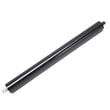
- Keep the belt centered and adjust tracking as soon as it starts drifting; the treadmill walking belt alignment tool 128457 can help with small alignment corrections
- Vacuum around and under the treadmill regularly to reduce dust pulled into moving parts
- Check belt tension if you feel slipping during push-off (avoid over-tightening)
- Use proper power protection (surge suppressor and correct circuit capacity) to reduce electrical failures
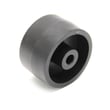
- Inspect rollers for noise and replace worn rollers before they damage the belt or deck
Why it matters
Most “treadmill failures” start as extra friction (belt tracking, belt tension, dirty rollers) or electrical stress. Fixing those early reduces motor load, keeps speed consistent, and prevents premature wear of high-cost parts.
Last updated: January 2026
What to do with an old NordicTrack treadmill?
For a Nordictrack NTL11920 treadmill, the best options are to donate or sell it if it still runs, recycle it through a local e-waste or metal recycler if it does not, or dispose of it through a bulky-item pickup. Use the NTL11920 owner's manual to review safe moving, folding, and power-disconnect steps before transport.
Best options (from most to least value)
- Sell or give away: List it locally as “Nordictrack C 2200 treadmill (NTL11920)” and note whether it powers on, runs smoothly, and inclines.
- Donate: Many charities accept fitness equipment if it is complete and safe to use.
- Recycle: Use a city or county e-waste program, scrap-metal recycler, or retailer take-back program (availability varies by area).
- Bulky-item pickup: Schedule a municipal bulk pickup if recycling is not available.
- Parts salvage: If you are replacing it, keep small, reusable items (safety key, hardware) and recycle the frame.
Safety steps before you move or dispose of it
The NTL11920 is heavy and has powered components; we recommend these basics before moving it:
- Remove the safety key and keep it with you.
- Unplug the power cord and disconnect any surge suppressor.
- Let the motor area cool if it was recently used.
- Fold and secure the deck if your unit is designed to store upright.
- Use two people and a dolly to prevent injury and floor damage.
Quick decision guide
| Condition of treadmill | Recommended path | Why |
|---|---|---|
| Runs, belt tracks well, console works | Sell or donate | Highest value, fastest reuse |
| Runs but needs minor work (belt drifts, noise) | Sell “as-is” or repair first | Small fixes can improve value |
| Will not power on, trips breaker, burning smell | Recycle | Electrical issues are not donation-friendly |
| Frame is damaged or unsafe | Recycle or bulky pickup | Safety risk for the next owner |
Why it matters
Proper disposal protects your home and the next owner. The manual emphasizes safe operation and power practices (including unplugging when not in use and using proper power protection), which also apply when you are preparing the treadmill for transport and recycling.
Last updated: January 2026
Is the NordicTrack NTL11920 a good treadmill?
Yes. The Nordictrack NTL11920 (C 2200 treadmill) is a strong home treadmill choice if you want a fold-up design that saves floor space and you are comfortable following the safety and power requirements in the NTL11920 owner's manual. It is built for higher-speed workouts, so setup and maintenance matter.
What “good” means for this model
A treadmill is a good fit when it matches your space, workout style, and willingness to maintain wear parts.
- Space-saving storage: this model folds up to use less floor space when not in use.
- Home cardio versatility: supports walking through higher-speed training (increase speed in small steps).
- Basic onboard features: includes a fan and pulse sensor (for general trends, not medical accuracy).
- Standard household power needs: designed for a dedicated, properly grounded circuit.
Safety and power setup (important for performance)
For reliable operation and fewer nuisance shutdowns, we follow the manual’s electrical guidance.
- Plug into a surge suppressor (single-outlet type that meets the manual’s specs).
- Use a grounded circuit rated for 15 amps or more.
- Keep no other appliance on the same circuit.
- Do not use an extension cord.
- Remove the safety key and unplug when not in use.
Common “good treadmill” ownership checklist
These are the items that most often decide whether owners stay happy with a treadmill long-term.
| Ownership factor | What to watch for | What to do |
|---|---|---|
| Walking belt tracking | Belt drifts left or right | Use the treadmill walking belt alignment tool 128457 and adjust evenly |
| Belt and deck wear | Slipping, hesitation, or rough feel | Inspect regularly; replace worn belt/deck as needed |
| Roller condition | Squealing, vibration, belt speed inconsistency | Check roller alignment and bearings |
| Electrical stability | Random stops or no-start | Verify dedicated outlet and surge suppressor |
Why it matters
On the NTL11920, most “bad treadmill” experiences come from avoidable issues: incorrect power setup, skipping the safety key routine, or letting the walking belt get out of alignment. Keeping the belt centered and the power supply stable protects the motor and improves workout feel.
Last updated: January 2026
Is it worth buying a 10 year old treadmill?
Yes, a 10-year-old treadmill can be worth buying if it is a durable model, has been maintained, and you can still get key wear parts for it. For the Nordictrack NTL11920 (C 2200), focus your decision on walking belt condition, roller noise, electronics function, and overall safety.
What to check before you buy
Use the inspection steps and adjustment guidance in the NTL11920 owner's manual to evaluate the treadmill in person.
- Walking belt and deck: look for fraying edges, glazing, slipping, or a “sticky” feel underfoot.
- Belt tracking: belt should stay centered at multiple speeds; drifting often means adjustment is needed.
- Rollers and bearings: listen for grinding, squealing, or thumping (rear roller issues are common wear items).
- Incline and console: incline should move smoothly; display and buttons should respond consistently.
- Power and safety: confirm the safety key stops the belt quickly and reliably.
Parts availability and typical ownership costs
A used treadmill is a better value when you can still replace common wear parts without guesswork.
| What wears out first | What you’ll notice | Example part for NTL11920 |
|---|---|---|
| Walking belt | slipping, hesitation, frayed edges | Belt,walk,ar 403756 |
| Rear roller | squeal, rumble, belt tracking problems | Treadmill rear roller 144809 |
| Safety key | treadmill will not start or stops unexpectedly | Treadmill safety key assembly 160695 |
Safety and electrical setup (important on older units)
Older treadmills are less forgiving of poor power supply. The NTL11920 manual calls for plugging the treadmill into a surge suppressor and a properly grounded circuit (no extension cord).
- Use a dedicated outlet/circuit when possible
- Avoid extension cords
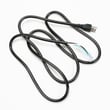
- Inspect the power cord for cuts or loose prongs
- Confirm the circuit breaker does not trip during a short test walk
Why it matters
At 10 years old, the biggest risk is not the frame; it is wear parts (belt, rollers) and electrical reliability. A quick inspection plus a short test at walking and jogging speeds tells you whether you are buying a bargain or inheriting a repair project.
Last updated: January 2026