Installation guide
 Owner’s manual
 Error Codes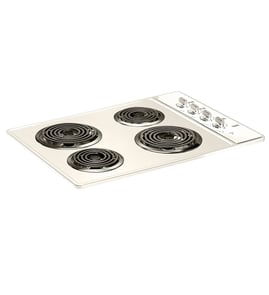




Are KitchenAid cooktops good?
Yes. KitchenAid cooktops are a solid choice for most kitchens because they are built for consistent heating, responsive controls, and a clean, premium look. For the KitchenAid KICU569XBL00 36-inch induction cooktop, performance and reliability depend heavily on correct installation and proper cookware; use the KICU569XBL00 owner’s manual for daily-use guidance.
What “good” usually means for an induction cooktop
Induction cooktops like the KitchenAid KICU569XBL00 are typically rated highly when they deliver fast boil times, steady simmering, and easy cleanup.
Common strengths customers value:
- Fast, efficient heating (energy goes into the pan, not the air)
- Precise temperature control for simmering and melting
- Smooth glass surface that wipes clean quickly
- Cooler cooktop surface around the pan compared to radiant electric
- Modern safety features (pan detection, hot surface indicators)
What to watch for (so expectations match reality)
Some “complaints” are really fit, setup, or cookware issues rather than a cooktop defect.
- Cookware compatibility: Induction requires magnetic cookware (a magnet should stick to the pan bottom).
- Noise: A low hum or fan sound is normal during high power.
- Glass top care: Sliding rough cookware can scratch; use proper cleaning methods.
- Power limits: Large zones may share power; performance can vary when multiple elements run high.
Quick comparison: induction vs radiant electric
| Feature | Induction (KICU569XBL00) | Radiant electric |
|---|---|---|
| Heat-up speed | Faster | Slower |
| Control response | Very quick | Moderate |
| Cleanup | Easier | Easier than gas, harder than induction if spills bake on |
| Cookware required | Magnetic | Any flat-bottom cookware |
Why it matters
If you want speed, control, and easy cleanup, KitchenAid induction cooktops are a strong fit. If you prefer using any cookware you already own, a radiant electric cooktop may feel more convenient.
If performance seems “not good”
Before assuming the cooktop is failing, we check these basics:
- Confirm the cooktop is installed to spec using the KICU569XBL00 installation guide
- Try a known induction-ready pan on each cooking zone
- Verify the cooling fan is running and vents are not blocked
- If the cooktop is completely dead, test the cooktop fuse WPW10328492
Last updated: February 2026
How do I reset my KitchenAid induction cooktop?
To reset your KitchenAid induction cooktop model KICU569XBL00, turn the cooktop off, then switch both cooktop circuit breaker(s) off for 1 minute, and turn them back on. After power is restored, watch the display for about 1 minute to confirm normal operation.
Reset steps (power cycle)
- Turn all cooking zones off and make sure nothing is actively heating.
- Locate the cooktop breaker(s) in your home electrical panel (many induction cooktops use a 240V double-pole breaker).
- Switch the breaker(s) OFF for 60 seconds.
- Switch the breaker(s) ON.
- Wait about 1 minute and confirm the display is normal and the cooktop responds to touch controls.
If an error code comes back after the reset
A reset clears many temporary control glitches, but repeated errors usually point to a power supply issue, overheating, or a component problem.
- Check cookware: use induction-compatible, flat-bottom pans centered on the cooking zone.
- Let it cool: if the cooktop shut down during heavy use, allow extra cooling time and confirm the venting area is not blocked.
- Verify power: if the breaker trips again or the display stays dead, stop and have the supply checked.
- Inspect for heat-related symptoms: loud or non-stop fan operation can indicate the unit is running hot.
Parts that commonly relate to “dead” or recurring reset symptoms
If the cooktop has no power after a proper reset, these model-specific parts are often involved in diagnosis and repair:
| Symptom | What it often points to | Example part for KICU569XBL00 |
|---|---|---|
| No display, no response | Open fuse or power interruption | Cooktop fuse WPW10328492 |
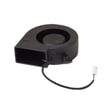
| Shuts down during use, then works later | Cooling or airflow issue | Blower fan W10328381 |
| Touch controls act erratic | Control/display issue | Cooktop display board WPW10396615 |
Why it matters
Induction cooktops use electronic controls that can latch an error state after a power fluctuation or overheating event. A 1-minute breaker reset fully discharges the control and restores normal startup logic.
For model-specific operating notes and electrical requirements, use the KICU569XBL00 owner’s manual.
Last updated: February 2026
What are the disadvantages of induction cooktops?
Induction cooktops like the KitchenAid KICU569XBL00 heat fast and clean easily, but the main disadvantages are cookware compatibility, higher purchase cost, and a few usability quirks (noise, power dependence, and a glass surface that can scratch or crack if abused). For model-specific use and care details, follow the KICU569XBL00 owner's manual.
Common disadvantages (what you will notice day to day)
- Cookware must be magnetic: Many aluminum, copper, and some stainless pans will not work.
- Higher upfront cost: Induction models and replacement components typically cost more than radiant electric.
- Noise: A low hum or buzzing can happen, especially at high power or with certain pans.
- Power outage = no cooking: Unlike gas, induction needs electricity to operate.
- Learning curve: Power changes are immediate; it can take a few uses to avoid scorching.
- Glass top care: The surface can scratch from gritty pan bottoms and can crack from hard impacts.
Cookware compatibility quick check
| Test | What to do | What it means |
|---|---|---|
| Magnet test | Put a magnet on the pan bottom | If it sticks firmly, it is induction-ready |
| Flatness | Check for a flat, smooth base | Better contact, less noise, steadier heating |
| Size match | Use a pan that matches the cooking zone | More even heating, fewer performance complaints |
Performance limitations vs gas or radiant electric
- Charring and flambé: You cannot cook over an open flame, so some techniques feel different.
- Small-pan behavior: Very small cookware can be finicky if it does not properly cover the sensor area.
- Heat distribution depends on the pan: Thin or warped pans can create hot spots.
Why it matters
Most “induction problems” are actually cookware or surface-care issues, not a failed part. When the cooktop will not heat at all, we focus first on power supply and safety devices such as the cooktop fuse WPW10328492.
Last updated: February 2026
What happens if you crack your induction cooktop?
If the glass on your KitchenAid KICU569XBL00 induction cooktop is cracked, the cooktop can become unsafe to use and may stop heating correctly. A crack can let moisture in, interfere with touch controls and sensors, and damage components under the glass, so we recommend stopping use and planning a repair.
What you should do right away
- Turn the cooktop off and let it cool completely.
- Do not cook on the cracked surface, even if it still heats.
- If the crack is near the control area, avoid touching the panel and keep the surface dry.
- If the cooktop is hardwired, switch the breaker off before inspecting anything underneath.
- Check for loose glass, sharp edges, or spreading cracks.
What can fail when the glass is cracked
A cracked top can cause immediate failure or intermittent problems, especially on induction units where sensors and electronics sit directly below the glass.
| What you notice | What it often means | What to check next |
|---|---|---|
| Touch controls do not respond | Moisture intrusion or damaged user interface area | Keep it dry; plan service |
| Burner shuts off or won’t detect pan | Sensor disruption or coil area affected | Try a different induction-ready pan (only for diagnosis) |
| No power at all | Protection circuit opened (fuse) or control issue | Electrical diagnosis with a meter |
| Cracking sound or visible spreading | Glass is failing further | Stop use immediately |
Parts that are commonly involved (depending on symptoms)
We match parts by symptom after the cooktop is made safe (power off) and inspected.
- If the cooktop is completely dead, the cooktop fuse WPW10328492 is one common protection part to test.
- If the display or touch functions act erratically, the cooktop display board WPW10396615 can be involved.
- If you see heat-related shutdowns, a cooling issue such as the blower fan W10328381 can contribute.
Why it matters
Induction cooktops place high-voltage electronics and temperature sensors directly under the glass. A crack increases the risk of electrical shorts, moisture damage, and unreliable pan detection, which can turn a small surface issue into a larger control or heating failure.
For model-specific safety notes and handling guidance, follow the KICU569XBL00 owner’s manual.
Last updated: February 2026