Owner’s manual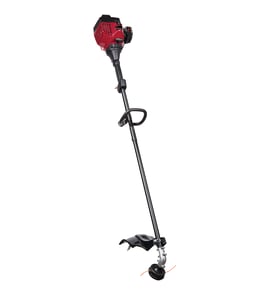



What's the difference between a whipper, snipper, and a line trimmer?
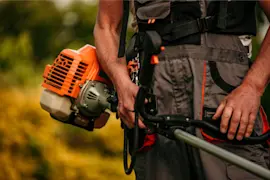
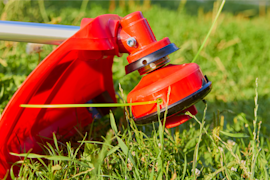
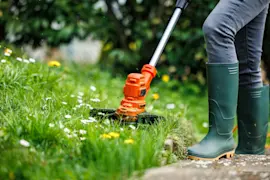
A “whipper snipper” and a “line trimmer” are the same tool; the name changes by region. Your Craftsman 358797150 is a gas line trimmer designed for trimming, scalping, mowing, and sweeping using a rotating cutting line; see the owner's manual for the intended uses and safe operating guidance.
Quick definitions (what people mean)
- Line trimmer: General name for a handheld tool that cuts with nylon line (often called a weed eater).
- Whipper snipper: Common regional nickname for a line trimmer.
- Snipper: Informal shorthand; usually still means a line trimmer.
- Brush cutter (often confused with the above): Heavier-duty tool that may use a metal blade for thick weeds and brush.
How to tell which tool you have
Use these practical identifiers:
- Cutting method: Nylon line spool (line trimmer) vs metal blade (brush cutter).
- Typical jobs: Edging and grass cleanup (line trimmer) vs dense weeds and woody stems (brush cutter).
- Power and build: Lighter shaft and guard (line trimmer) vs heavier gearbox and harness-ready design (brush cutter).
- Line feed: Many line trimmers use automatic or bump feed; your model is described as having automatic line feed.
What your Craftsman 358797150 is built to do
The manual describes this trimmer as a versatile tool for:
- Trimming along fences, trees, and flower beds
- Scalping unwanted vegetation
- Mowing in areas a lawn mower cannot reach
- Sweeping debris with the fanning action of the line
Typical capability comparison
| Term people use | Cutting head | Best for | Notes |
|---|---|---|---|
| Line trimmer | Nylon line | Grass, light weeds, edging | Most common homeowner tool |
| Whipper snipper / snipper | Nylon line | Same as line trimmer | Regional naming |
| Brush cutter | Blade or heavy line | Thick weeds, brush | Heavier-duty and more aggressive |
Why it matters
Using the right term helps you buy the right replacement parts and line size, and it helps you avoid damage and injury. For example, damaged trimmer head parts can break apart during use, and the manual calls for replacing damaged parts before operating.
Last updated: February 2026
How to replace line on Craftsman gas trimmer?
To replace the cutting line on your Craftsman 358797150 gas line trimmer, wind new .080-inch nylon trimmer line evenly on the spool (no overlaps), route it through the head correctly, then pull at least 4 inches of line out so the bump (tap) feed can advance line smoothly. See the owner's manual for the exact head and routing details for this model.
Before you start (safety and setup)
- Shut the engine off and let the muffler cool completely.
- Disconnect the spark plug wire to prevent accidental starting.
- Wear gloves and eye protection; the shield edge and cutting line can be sharp.
- Use only .080-inch diameter nylon trimmer line (do not use wire, rope, or string).
- Confirm the debris shield is installed correctly before trimming.
Replacing the line (typical bump-head steps)
Most Craftsman bump-feed heads for the 358797150 follow this workflow:
- Remove the trimmer head cover (release tabs or remove fasteners, depending on head style).
- Take out the spool and note how the old line was routed.
- Wind new line tightly and evenly onto the spool in the direction shown on the spool.
- Avoid crossing or overlapping wraps; overlaps cause tangles and feed problems.
- Route the line ends through the eyelets and reinstall the spool and cover.
- Pull line out so you have at least 4 inches outside the head; you can typically advance about 2 inches each time you tap the bump button.
Quick troubleshooting if the line will not feed
- Line is wound too loose or beyond the spool notches
- Line is the wrong diameter (must be .080-inch)
- Line is routed incorrectly through the head/eyelets
- Too little line is sticking out of the head
- Shield is installed incorrectly (can affect cutting length and feed)
Parts that help with line replacement
If you need fresh line for this model, we stock a compatible line kit: line kit 530069247.
| Symptom | Most common cause | What to do |
|---|---|---|
| Line tangles/jams | Overlapping wraps | Rewind evenly, no crossovers |
| Line will not advance | Too little line outside head | Pull more line out, then tap feed |
| Line breaks too fast | Wrong technique or wrong line size | Use .080-inch line; cut with the tip |
Why it matters
Correct line size and even winding keep the trimmer head feeding properly, reduce vibration, and prevent premature wear on the trimmer head and shield.
Last updated: February 2026
What is the lifespan of a line trimmer?
A gas line trimmer like the Craftsman 358797150 lasts about 8 to 10 years with normal homeowner use and routine maintenance. With heavy, frequent use, expect about 3 to 5 years; consistent tune-ups and clean fuel storage extend service life.
Typical lifespan by how you use it
A line trimmer’s calendar life depends mostly on run time and maintenance, not the brand name on the shaft.
| Usage pattern | Typical lifespan | What usually ends it first |
|---|---|---|
| Light homeowner use | 10 years | Fuel system varnish, neglected storage |
| Regular homeowner use | 8 years | Air filtration wear, carburetor issues |
| Heavy weekly use | 5 years | Clutch/drive wear, overheating, vibration |
What matters most for long life
We follow the maintenance and operating practices in the owner's manual for the Craftsman 358797150. These items have the biggest impact:
- Use fresh, properly mixed fuel (for 2-cycle engines) and avoid storing old fuel in the tank
- Clean or replace the air filter on schedule; a clogged filter runs the engine rich and reduces power
- Keep cooling fins and air passages clear to prevent overheating
- Inspect the unit before each use; tighten loose fasteners and replace damaged guards or head parts
- Store the trimmer dry and clean; drain or stabilize fuel for off-season storage
Parts that commonly affect lifespan
Replacing wear items on time prevents bigger failures.
- Air filtration: a restricted filter accelerates engine wear; use the correct air filter 530027530
- Fuel system sealing: a leaking or loose cap can cause hard starting and fuel loss; replace the fuel cap 530014347 if it won’t seal
- Cutting line wear: use the line type and diameter specified for your exact head in the manual (this varies by head design)
Why it matters
Most trimmers get replaced early due to fuel-related starting problems and dirty air filtration. Basic upkeep protects the carburetor, piston, and crank bearings, which are the most expensive components to repair.
Last updated: February 2026