Owner’s manual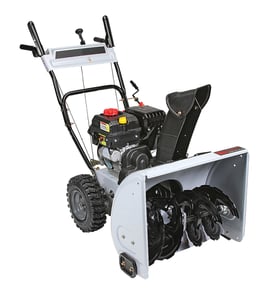



What kind of gas to use in a snowblower?
For the Snapper 10305E gas snowblower, use fresh, clean unleaded gasoline; regular 87 octane is the standard choice for most small engines. For best reliability, use fuel with no more than 10% ethanol (E10) and avoid older, stale fuel that can cause hard starting and poor running (see the fuel and storage guidance in the owner's manual).
Recommended fuel (what we use as the rule)
- Fresh unleaded gasoline, typically 87 octane
- Ethanol content: E0 (ethanol-free) is best when available; E10 is acceptable
- Avoid E15 and E85; higher ethanol blends commonly cause fuel-system issues in small engines
- Buy fuel in small quantities so it stays fresh
- Add fuel stabilizer if fuel will sit in the tank or can for more than about 30 days
Quick do and do not list
- Do use an approved fuel container and keep it sealed
- Do keep the fuel cap area clean so debris does not fall into the tank
- Do drain old fuel before troubleshooting a no-start or rough-run condition
- Do not store the machine or fuel container where fumes can reach an open flame or pilot light
- Do not use stale fuel (a common cause of starting problems)
End-of-season fuel storage procedure (model-relevant)
The 10305E storage procedure calls for removing fuel from the system so it does not varnish the carburetor.
| Storage situation | Best practice | Why it helps |
|---|---|---|
| Storing for the season | Drain the tank and run the engine until the carburetor is empty | Prevents gum and varnish buildup |
| Short breaks (weeks) | Use fresh fuel and stabilizer | Reduces stale-fuel starting issues |
| Troubleshooting a no-start | Replace old fuel with fresh fuel | Eliminates water and debris in fuel |
Why it matters
Fuel quality directly affects the carburetor, primer, and starting performance. The manual’s troubleshooting and storage guidance repeatedly points to stale fuel, water, or debris in the fuel system as a root cause of hard starting and poor operation.
Last updated: February 2026
What is the average lifespan of a snowblower?
Most gas snowblowers, including the Snapper 10305E, typically last 10 to 20 years with normal residential use and consistent maintenance; units that are neglected often wear out closer to 5 to 10 years. Following the service schedule and end-of-season storage steps in the 10305E owner's manual is what most directly extends lifespan.
Typical lifespan ranges (what to expect)
Snowblower life depends more on maintenance and storage than brand name alone.
- 5 to 10 years: heavy use, infrequent oil changes, stored with fuel left in the carburetor
- 10 to 20 years: typical homeowner use with routine service
- 20+ years: light use, careful storage, timely belt and wear-part replacement
| Usage and care level | Typical lifespan | What usually fails first |
|---|---|---|
| Heavy use, minimal maintenance | 5 to 10 years | Belts, friction drive tire, auger bearings |
| Average use, routine maintenance | 10 to 20 years | Belts, scraper blade, shear bolts |
| Light use, excellent storage | 20+ years | Rubber wear parts, cables, corrosion-related issues |
Maintenance that most affects lifespan
The manual for this Snapper snow thrower calls out routine service items such as engine oil, spark plug, belts, and lubrication.
- Change engine oil on schedule (initial change, then periodic changes)
- Check and service the spark plug
- Inspect drive belts for cracking or fraying; replace when worn
- Lubricate bearings and moving points as specified
- Keep the discharge chute clear and avoid running the auger into ice chunks or gravel
End-of-season storage (biggest lifespan booster)
Proper storage prevents fuel-system problems and corrosion.
- Drain the fuel tank and run the engine until the carburetor is empty
- Disconnect the spark plug wire before cleaning or servicing
- Clean the underside of the auger and impeller area
- Lightly oil exposed metal to prevent rust
- Store in a dry, weather-protected area
Why it matters
A snowblower usually gets replaced because of preventable issues: stale fuel clogging the carburetor, rust from wet storage, or worn belts and friction-drive components. Routine oil changes, lubrication, and correct storage keep your Snapper 10305E reliable season after season.
Last updated: February 2026
What is the 10305E number?
On a Snapper 10305E gas snowblower, 10305E is the model number. It identifies the snow thrower’s series and key configuration details such as engine horsepower, auger width, and whether it has electric start; it is not a promo or contest code.
What the model number tells you
Snapper uses a coded model designation for this Series 5 large-frame, two-stage snow thrower. Here is how the characters are used:
- 10: 10.0 engine HP
- 30: 30-inch auger width
- 5: Series designation (Series 5)
- E: electric start model
- N (when present): California model
- E (when present at the front): European model
Quick decode examples
| Marking on machine | What it means (high level) |
|---|---|
| 10305E | 10 HP, 30-inch auger, Series 5, electric start |
| N10305E | Same as above, California version |
| E10305E | Same as above, European version |
Why it matters
Using the exact model number (10305E) helps us match the correct operator instructions and the correct maintenance and service parts list (for example, belts, scraper blade width, rubber drive tire, and shear bolts) so you do not order the wrong items.
Where to find and how to use it
- Check the model tag on the snowblower and write the model number exactly as shown.
- Use the model number when looking up maintenance procedures and adjustments.
- Follow the safety steps in the manual before any service (stop engine, remove key, disconnect spark plug wire).
For the official model designation chart and operating details, use the owner's manual.
Last updated: February 2026
How do you size a snowblower for a tractor?
A tractor-mounted snowblower is sized to the tractor, but your Snapper 10305E is a walk-behind two-stage snow thrower with a fixed clearing width (30 inches) and its own engine. For this model, “sizing” means choosing a machine width and power that match your driveway and snowfall.
If you truly mean a tractor-mounted snowblower
Use these fit checks so the attachment matches your tractor and typical snow conditions:
- Match blower width to your rear tire track; choose slightly wider so you do not leave tire ridges.
- Confirm the blower’s required PTO horsepower matches your tractor’s PTO horsepower.
- Verify hitch category and PTO speed (commonly 540 RPM) match the implement.
- Consider snow type; wet, heavy snow needs more power than light powder.
- Plan for surface type (paved vs. gravel) so skid shoe height can be set correctly.
For the Snapper 10305E (walk-behind) sizing basics
The 10305E is already “sized” by its design; the manual’s model explanation indicates a 30-inch auger width and a 10.0 HP engine.
- 30-inch clearing width: best for medium to large driveways and wider passes
- Two-stage design: handles deeper snow better than single-stage units
- Engine-driven (no PTO): performance depends on engine condition, belts, and shear pins
Quick comparison
| Type | Power source | How you size it | Typical width |
|---|---|---|---|
| Tractor-mounted blower | Tractor PTO | Tractor track width + PTO HP | 48 to 96 in. |
| Walk-behind (10305E) | Onboard engine | Driveway width + snowfall | 24 to 30 in. |
Why it matters
Using tractor PTO and hitch sizing rules on a walk-behind snowblower leads to the wrong purchase and setup. For the 10305E, correct operation, adjustments, and maintenance are what keep throwing distance and clearing performance strong.
For model-specific operating and safety guidance (including clearing clogs safely), follow the 10305E owner's manual.
Last updated: February 2026