Owner’s manual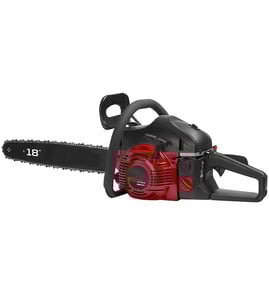









Are there gas-powered chainsaws?
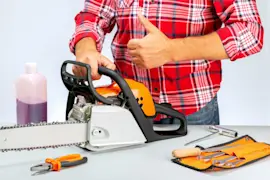
Yes. Gas-powered chainsaws are common, and your Craftsman model 358356242 is a gas chainsaw that runs on a gasoline and 2-cycle oil fuel mix. For safe operation, fueling, and maintenance details specific to this saw, follow the 358356242 owner's manual.
A gas chainsaw uses a small 2-cycle engine, so it needs:
- Fresh gasoline mixed with the correct 2-cycle oil ratio
- Bar and chain oil in the oil tank to lubricate the cutting system
- Routine tune-up items (air filter, spark plug, fuel filter) to keep it starting and cutting well
These parts wear with normal use and are often replaced during maintenance:
- Air filter (helps prevent hard starting and poor performance)
- Bar and chain (cutting system wear items)
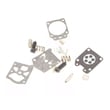
- Fuel system service parts (lines, filter, carburetor diaphragms)
- Chain brake and clutch components (safety and drive parts)
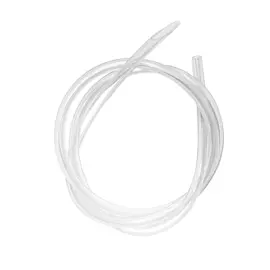
If you are servicing the fuel system on this model, the line kit 530069247 is a common replacement item.
Use this fast checklist before deeper repairs:
- Confirm the fuel mix is fresh and correctly mixed
- Make sure the kill switch is in the RUN position
- Check the air filter for heavy dirt or oil saturation
- Verify the spark plug is not fouled
- If it sat for 30+ days, clean the saw and service the fuel system before restarting
| Item | What it affects | When to address it |
|---|---|---|
| Fuel mix | Starting, power | Every use (fresh, correct mix) |
| Bar and chain oil | Bar and chain life | Every use (keep tank filled) |
| Air filter | Starting, idle quality | Clean often; replace as needed |
| Fuel lines/filter | Starting, fuel delivery | If cracked, leaking, or restricted |
Gas chainsaws deliver strong cutting power, but they depend on correct fuel mix, lubrication, and regular upkeep. Following the manual and replacing wear parts on schedule prevents hard starting, poor cutting, and premature bar and chain damage.
Last updated: February 2026
Can I scrap a chainsaw?
Yes. You can scrap a Craftsman gas chainsaw model 358356242 after you make it safe by draining fuel and bar oil, then separating metal from non-metal pieces so a scrap yard can process it.
Before you transport or dismantle a chainsaw, we follow the same safety basics used for storage and maintenance.
- Stop the engine and let it cool completely
- Drain the fuel tank into an approved fuel container
- Run the engine until it stops to empty fuel from the carburetor
- Remove the spark plug wire before any disassembly
- Cover the guide bar and chain (or remove them) to prevent cuts
- Wear protective gloves when handling the chain
For model-specific handling and storage steps, use the owner's manual.
Most scrap yards want “clean” metal. Plastics, rubber, and fuel-soaked parts usually need to be removed.
| Component | Usually accepted as scrap metal? | Notes |
|---|---|---|
| Engine/crankcase, muffler, fasteners | Yes | Drain fuel first; let it dry out |
| Guide bar | Yes | Steel bar; remove heavy oil residue |
| Chain | Yes | Sharp; wrap for safe transport |
| Plastic housings/handles | No | Separate as non-metal waste |
| Fuel lines, primer bulb, rubber parts | No | Remove if possible |
If you are scrapping the saw because it will not run or will not oil the bar, these common service parts are often involved:
- Clogged air filter 545057701 (hard starting, poor power)
- Plugged oil filter 530056533 (bar and chain not getting oil)
- Worn pump assembly 545036801 (no bar oiling)
- Ignition issue with the switch 530069572 (won’t shut off or intermittent run)
Draining fuel and oil reduces fire risk during transport and keeps fuel vapors out of storage areas. Separating metal from non-metal also helps the scrap yard recycle more of the chainsaw efficiently.
Last updated: February 2026
Do you use 40 1 or 50 1 gas in a chainsaw?
For the Craftsman gas chainsaw model 358356242, we use a 40:1 fuel mix (regular unleaded gasoline plus high-quality air-cooled 2-cycle oil). Using 50:1 in this model reduces lubrication and can lead to overheating and engine damage; follow the owner's manual.
Use 40:1, which equals 3.2 oz of 2-cycle oil per 1 gallon of gasoline.
- Use fresh regular unleaded gasoline
- Use high-quality 2-cycle engine oil (AIR-COOLED)
- Premix fuel in a clean, approved fuel container
- Do not mix oil and gas directly in the fuel tank
- Shake the container briefly after adding gas and oil
| Mix ratio | Oil per 1 gallon gas | Best use case |
|---|---|---|
| 40:1 | 3.2 oz | Required for Craftsman 358356242 |
| 50:1 | 2.6 oz | Common on many newer saws, not this model |
Running too little oil (like 50:1 in a saw designed for 40:1) increases friction on bearings and other moving parts; that can cause poor performance, overheating, and seizure. Running too much oil can increase smoke and carbon buildup, but it is typically less risky than too little oil.
This model uses bar and chain oil in a separate tank. We recommend filling the bar oil tank every time you fill the fuel tank; the saw typically uses about one tank of bar oil per tank of fuel mix.
- Use chainsaw bar oil when possible
- SAE 30 oil is a common short-term substitute
- Keep the oiler working to protect the guide bar and chain
The correct 40:1 mix keeps the engine properly lubricated while it runs at high RPM. That lubrication is what protects internal parts and helps your Craftsman chainsaw start easier, run cooler, and last longer.
Last updated: February 2026