Owner’s manual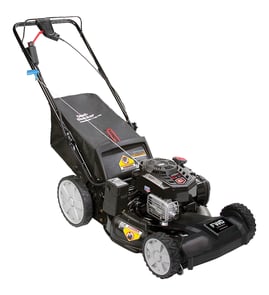

Are gas lawn mowers being phased out?
Gas walk-behind mowers like the Poulan 96142008600 are not being phased out everywhere at once; the shift is gradual and depends on where you live. Many homeowners are moving to battery-electric mowers for lower noise and simpler upkeep, while gas models remain common for longer run times and tougher mowing.
What “phased out” usually means
Most changes happen in two ways: new-sales restrictions in certain areas and retailers stocking more electric options. Even where new sales change, existing gas mowers can still be used and maintained with normal service parts.
- Local rules may limit new gas mower sales in some regions.
- Gas mowers remain widely supported for maintenance and repair.
- Electric models are growing in popularity for residential lawns.
- Commercial and heavy-duty use often keeps gas equipment in service longer.
What you can do if you plan to keep your gas mower
Keeping a gas mower reliable is mostly routine maintenance. Our Poulan 96142008600 manual emphasizes safe service practices and regular upkeep.
- Keep the blade sharp; a dull blade strains the engine and cuts poorly.
- Replace the spark plug about every 100 hours or at the start of the season.
- Clean grass buildup from the underside of the deck after each use.
- Inspect fasteners and moving parts; tighten or replace worn hardware.
- Store it properly at season end; avoid storing with gasoline indoors.
Quick maintenance guide
| Task | Typical interval | Why it helps |
|---|---|---|
| Sharpen/replace blade | As needed (often 1 to 3 times/season) | Better cut, less engine load |
| Replace spark plug | Start of season or 100 hours | Easier starting, smoother running |
| Clean underside of deck | After each use | Prevents corrosion and clogging |
| End-of-season storage prep | End of season or 30+ days unused | Prevents fuel and starting issues |
Why it matters
If your area tightens rules on new gas equipment, the practical impact for most owners is planning ahead: keep your current mower running well, and know your options when it is time to replace.
For model-specific maintenance and safety steps, follow the Poulan 96142008600 owner's manual. For blade service tips, use our how to sharpen a lawn mower blade guide.
Last updated: January 2026
What gas do I put in my lawn mower?
For the Poulan 96142008600 gas walk-behind mower, use fresh, clean unleaded gasoline and do not use premium gasoline. For best starting and fewer fuel-system problems, buy only what you will use in about 30 days and follow the fuel guidance in the Poulan 96142008600 owner's manual.
Recommended fuel and what to avoid
- Use unleaded gasoline (regular is the right choice for most small engines).
- Avoid premium gasoline (the manual specifically says not to use it).
- Avoid old fuel; stale gas is a common cause of a mower that will not start.
- Keep fuel clean and dry; water in fuel can cause hard starting and rough running.
- Store fuel in an approved container and keep the cap sealed to reduce moisture absorption.
Storage and seasonal fuel tips
If the mower will sit for 30 days or more, plan ahead so fuel does not create starting issues later.
- Run the mower regularly during the season so fuel does not sit in the carburetor.
- At season end, store the mower only after it cools down and keep it in a clean, dry area.
- Alcohol-blended fuels can attract moisture during storage; minimizing storage time with fuel in the tank helps reduce problems.
Quick guide: fuel freshness
| Situation | What we recommend | Why |
|---|---|---|
| Mowing weekly | Fresh unleaded gas | Reliable starts and steady power |
| Mower sits 2 to 4 weeks | Buy smaller amounts of gas | Reduces stale-fuel issues |
| Storage 30+ days | Follow the storage steps in the manual | Helps prevent fuel-system deposits |
Why it matters
Using the correct fuel protects the carburetor and helps prevent common no-start causes like stale fuel or water in fuel, which are both listed as typical starting problems for walk-behind mowers.
Last updated: January 2026
What's the average lifespan of a lawn mower?
Most walk-behind gas lawn mowers, including the Poulan 96142008600, typically last 8 to 15 years with normal homeowner use. Consistent maintenance (oil changes, cleaning grass buildup, and keeping the drive area clean) is what most directly determines whether you land closer to 8 years or 15.
What extends mower life the most
We see the longest-lasting rotary lawn mowers when these basics are done on schedule:
- Change engine oil after the first 2 hours, then every 25 hours of operation or at least once a year
- Clean the underside of the mower deck after each use to prevent heavy grass buildup
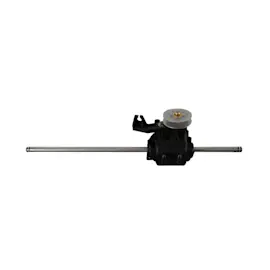
- Clean under the drive cover twice a season to keep the drive system and gearcase area free of debris
- Replace the spark plug at the start of each mowing season or every 100 hours
- Keep the air filter clean; a dirty filter can cause poor running and engine damage
For the model-specific maintenance intervals and procedures, follow the 96142008600 owner's manual.
Typical lifespan by use and care
| Usage and maintenance level | Typical lifespan | What usually fails first |
|---|---|---|
| Light use, regular maintenance | 12 to 15 years | Wear items (blade, belt, wheels) |
| Average use, some maintenance | 8 to 12 years | Drive system wear, carburetor issues |
| Heavy use, minimal maintenance | 5 to 8 years | Engine wear from dirty cooling/airflow, neglected oil |
Why it matters
A mower rarely “wears out all at once.” Most early failures come from heat and friction: old oil, clogged cooling areas, and packed grass under the deck make the engine run hotter and shorten engine life. Keeping the deck and drive area clean also helps the self-propel system work correctly.
Parts that commonly affect performance over time
If your mower still starts and runs well but cuts poorly or loses drive, these are common wear points:
- Blade and blade mounting hardware
- Self-propel drive belt (inspect for cracking or glazing)
- Wheels and wheel dust covers
- Drive control cable and control bar
If you are servicing the drive system, use a factory-approved belt such as the belt 532157769 when it matches your parts diagram.
Last updated: January 2026