 Error Codes



Are all dishwashers 24 inches wide?
No. GE dishwasher model DDT700SSN4SS is a standard built-in style that typically fits a 24-inch-wide cabinet opening, but not all dishwashers are 24 inches wide. Compact and specialty models are commonly 18 inches wide, and some designs vary slightly in depth and height.
Common dishwasher widths (what we see most often)
- 24 inches: standard built-in dishwasher (most common)
- 18 inches: compact built-in dishwasher for smaller kitchens
- Portable or specialty units: can vary by design and may not match built-in cutouts
- Panel-ready models: usually still 24 inches wide, but door thickness can change the “feel” of the fit
| Type | Typical width | Typical use case |
|---|---|---|
| Standard built-in | 24 in. | Most full-size kitchens |
| Compact built-in | 18 in. | Apartments, small kitchens |
| Portable | Varies | No permanent install |
What to measure before you buy or replace
Measure the cabinet opening and compare it to the dishwasher’s listed dimensions.
- Opening width (side-to-side)
- Opening height (floor to underside of countertop)
- Opening depth (front of cabinet to back wall)
- Clearance for the door to open fully
- Space for water line, drain hose, and power routing
Why it matters
A dishwasher that is the “right width” can still be a poor fit if the height is tight, the depth interferes with the door, or the plumbing and wiring crowd the back of the opening. Measuring first helps avoid installation delays and return hassles.
Related help
Last updated: January 2026
Can a clogged drain cause an FTD error?
Yes. On the GE DDT700SSN4SS dishwasher, an FTD (fail to drain) error commonly happens when water cannot leave the tub fast enough, and a clogged filter, drain path, or drain hose is one of the most frequent reasons.
What to check first (fast, no-parts steps)
- Cancel the cycle and let the unit try to drain; listen for the drain pump running.
- Remove standing water (cup or wet vac) so you can inspect the sump area.
- Clean the filter area and remove debris (labels, glass, seeds) from the drain intake.
- Check the sink drain/disposal inlet where the dishwasher drain connects; clear any blockage.
- Inspect the drain hose for kinks, crushing, or a low spot holding water.
When a clog is not the only issue
A clog can trigger FTD, but these problems can look the same because they all reduce drain flow.
| Symptom | Most likely cause | Common fix |
|---|---|---|
| Hums but drains slowly | Partial blockage in hose or air gap | Clear hose/air gap, correct routing |
| No drain sound at all | Drain pump not running | Check power, then replace pump if failed |
| Drains some, then stops | Debris in pump impeller or sump | Clear debris; inspect sump seals |
| FTD after recent install | Knockout plug left in disposal inlet | Remove knockout plug, reconnect hose |
Parts that commonly solve persistent FTD on this model
If you have already cleared the drain path and the error returns, these model-matched parts are common fixes:
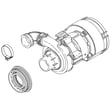
- Dishwasher drain pump WD19X25461 (weak pump, jammed impeller, intermittent draining)
- Dishwasher drain hose WD24X10062 (internal restriction, soft collapse, or damaged hose)
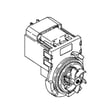
- GE dishwasher pressure sensor WD21X25468 (incorrect water level feedback that can affect draining logic)
Why it matters
FTD is more than an inconvenience; leaving water in the tub can cause odors, poor cleaning, and repeated cycle interruptions. Restoring full drain flow protects the wash pump, heater, and control logic from abnormal operating conditions.
Last updated: January 2026
What is the most common problem with a GE dishwasher?
The most common problems we see on GE dishwashers like model DDT700SSN4SS are draining issues (water left in the tub), not starting (door not latching or control issue), and poor cleaning from restricted spray. Most fixes start with clearing clogs, confirming the door latches, and checking for error codes.
Most common symptoms and what usually causes them
- Not draining: clogged filter area, blocked drain hose, or a failing drain pump
- Won’t start or stops mid-cycle: door not fully latched, UI/control problem, or a safety shutdown
- Not cleaning well: clogged spray arm holes, low water fill, or wash pump circulation issues
- Not drying: heater circuit issue, venting problem, or cycle settings
- Leaks: door gasket wear, loose hose connections, or sump seal issues
Quick checks we recommend first (10 to 20 minutes)
- Reset power: turn the breaker off for 1 minute, then back on.
- Confirm the door closes firmly: if it feels “springy” or won’t click, inspect the latch.
- Check the tub bottom for standing water and debris: remove any food pieces or labels.
- Inspect the drain path: look for kinks or clogs in the drain hose and at the sink connection.
- Look for error codes: use our GE dishwasher error codes guide to match the code to the failure.
Common part fixes for DDT700SSN4SS
If the symptom matches, these model-compatible parts are frequent solutions:
| Symptom | Likely part to check | What it affects |
|---|---|---|
| Water won’t drain | Dishwasher drain pump WD19X25461 | Pumps water out to the drain hose |
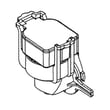
| Won’t start or won’t stay running | GE dishwasher door latch lock WD21X10490 | Confirms the door is locked so the cycle can run |
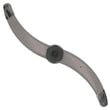
| Poor cleaning, lower rack | Dishwasher spray arm, lower WD22X33499 | Spray coverage and water pressure at the bottom |
| Not filling or fills slowly | Dishwasher water inlet valve WD15X26078 | Lets water into the dishwasher |
Why it matters
Drain and start problems often trigger safety stops, leave dirty water in the tub, and can cause odors. Catching a clog or weak pump early helps protect the wash system, heater circuit, and control board.
Last updated: January 2026





