Owner’s manual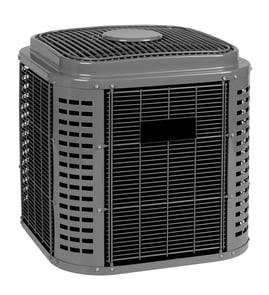





What is the tonnage of carrier 38CKC018?
The Carrier 38CKC018 condensing unit is a 1.5-ton central air conditioner (about 18,000 BTU/hr). In Carrier model numbers, the “018” size commonly indicates the nominal cooling capacity in thousands of BTUs.
Quick capacity check (what “018” means)
Use this quick conversion to confirm what you are working with:
- 018 typically equals 18,000 BTU/hr nominal cooling
- 12,000 BTU/hr = 1 ton
- 18,000 BTU/hr ÷ 12,000 = 1.5 tons
- Actual delivered capacity can vary slightly by indoor coil match, airflow, and outdoor conditions
Why tonnage matters
Correct tonnage helps us match the right indoor evaporator coil, refrigerant metering device, and airflow settings. It also helps avoid issues like short cycling, poor humidity control, and higher energy use.
Where to confirm on the unit
We recommend verifying tonnage using the rating label and the model/serial data:
- Look for the data plate on the outdoor unit cabinet
- Confirm the full model number shows 38CKC018
- Note the electrical ratings and refrigerant type for service work
- Use the wiring diagram and service notes in the owner's manual
Common size reference table
| Model size code | Nominal BTU/hr | Nominal tons |
|---|---|---|
| 018 | 18,000 | 1.5 |
| 024 | 24,000 | 2.0 |
| 030 | 30,000 | 2.5 |
| 036 | 36,000 | 3.0 |
Last updated: February 2026
Is a 3 ton AC too big for 1500 square feet?
A 3-ton central AC can be too big for a 1,500 sq ft home, but it depends on your home’s heat gain (insulation, windows, ceiling height, ductwork, and climate). Oversizing often causes short cycling and weaker humidity removal, so we recommend confirming sizing with a load calculation and your owner's manual.
Quick sizing guidance (what usually works)
For many homes, 1,500 sq ft often lands in the 2 to 3 ton range, but the “right” size is the one that runs long enough to cool evenly and pull moisture out of the air.
Common signs the system is oversized:
- Cools the house fast but feels clammy or sticky
- Turns on and off frequently (short cycling)
- Uneven temperatures from room to room
- Higher energy use than expected
- More wear on the compressor and contactor
Why oversizing matters for comfort and equipment life
Your Carrier 38CKC018 condensing unit needs steady airflow and stable thermostat control to run efficiently. The manual also warns against rapid cycling and “thermostat jiggling” because frequent starts can be hard on the compressor.
What to check before blaming tonnage
Use this checklist to narrow down whether the issue is sizing or something else:
- Air filter: never run the system without a clean filter installed; a clogged filter raises cost and shortens unit life
- Registers and returns: keep supply and return grilles unblocked (furniture, drapes, toys)
- Outdoor unit clearance: keep debris off the unit and maintain about 12 inches minimum clearance from tall grass, vines, and shrubs
- Thermostat habits: avoid frequent setpoint changes; wait at least 5 minutes after shutdown before adjusting
- Drainage: during cooling, you should typically see condensate draining after a few minutes of run time
Fast comparison: “too big” vs “right sized”
| What you notice | More likely oversized | More likely right sized |
|---|---|---|
| Cycle length | Very short, frequent starts | Longer, steadier runs |
| Humidity | Clammy indoors | Drier, more comfortable |
| Temperature | Hot/cold spots | More even room temps |
| Wear and tear | Higher | Lower |
Best next step
A Manual J style load calculation (performed by a qualified HVAC pro) is the correct way to confirm whether 3 tons is appropriate for your specific 1,500 sq ft home.
Last updated: February 2026
What are the disadvantages of carrier AC?
Carrier central AC systems like the 38CKC018 can cost more up front, and repairs can be more expensive because the equipment is built around specialized electrical and refrigeration components. Performance also depends heavily on correct installation, airflow, and thermostat operation as outlined in the owner's manual.
Common disadvantages homeowners notice
- Higher initial purchase and installation cost than many budget brands
- More complex controls and components can increase diagnostic time and repair cost
- Incorrect installation or setup can lead to comfort issues and unnecessary service calls
- Restricted airflow (dirty filter, blocked registers) raises operating cost and can shorten system life
- Rapid cycling from frequent thermostat changes can stress the compressor
What matters most for the 38CKC018 in real-world use
The manual emphasizes basics that directly affect reliability and cost: keep a clean air filter installed, keep supply and return registers unblocked, and keep the outdoor unit clear of debris with at least 12 inches of clearance from tall grass and shrubs.
Quick do and don’t checklist
- Do inspect and replace the indoor air filter regularly
- Do keep the outdoor condensing unit unobstructed and clean
- Do wait at least 5 minutes before changing thermostat settings again after a shutdown
- Don’t control cooling by switching power on and off at the disconnect or breaker
- Don’t block return grilles with furniture or drapes
Repair-cost drivers (and the parts that often get involved)
Some “Carrier is expensive to repair” complaints come down to common wear parts and electrical troubleshooting.
| Issue you notice | Often involved part type | Example part on this model page |
|---|---|---|
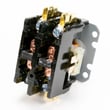
| Outdoor unit will not start | Contactor, wiring, capacitor (varies) | Contactor (part number HN51KB024) |
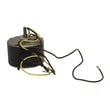
| Fan not running or noisy | Condenser fan motor, fan blade | Payne central air conditioner condenser fan motor HC35GE208 |
| Vibration or rubbing | Mounting isolators, grommets | Grommet KA56GR140 |
Why it matters
Most “disadvantages” are really total-cost-of-ownership issues: higher upfront price plus higher repair costs if airflow is neglected or the system short-cycles. Following the operating guidance in the manual reduces breakdown risk and keeps efficiency closer to what the system was designed to deliver.
Last updated: February 2026
What is the life expectancy of a carrier air conditioner?
Most Carrier central air conditioners, including the Carrier 38CKC018 condensing unit, last 15 to 20 years. Lifespan is driven by airflow (clean filter, clear outdoor coil), avoiding rapid cycling, and regular inspections and cleaning steps outlined in the 38CKC018 owner's manual.
Typical lifespan and what changes over time
Even when the system still cools, older units often run less efficiently and need more repairs.
| Age of system | What you commonly see | What to do |
|---|---|---|
| 0 to 10 years | Reliable cooling, fewer repairs | Keep filters clean; keep outdoor unit clear |
| 10 to 15 years | More wear on electrical parts and motors | Schedule annual inspections; address small issues early |
| 15 to 20 years | Higher repair frequency, efficiency drop | Compare repair cost vs. replacement planning |
| 20+ years | End-of-life failures become more likely | Plan replacement; avoid repeated major repairs |
Maintenance that extends life (most important)
The manual calls out habits that protect the compressor and reduce strain.
- Never run the system without a clean air filter properly installed
- Keep supply and return registers unblocked to prevent restricted airflow
- Keep the outdoor unit uncovered and free of leaves, grass clippings, and debris
- Maintain about 12 inches of clearance around the outdoor unit from tall grass, vines, and shrubs
- Avoid thermostat rapid cycling; wait at least 5 minutes before restarting after the compressor shuts off
Parts that commonly affect longevity
Wear items and airflow restrictions are frequent causes of “no cool” and short cycling.
- Electrical switching wear (a failing contactor can cause intermittent operation)
- Outdoor fan problems (overheating, slow start, or noisy operation)
- Loose or heat-damaged wiring connections
- Dirty indoor or outdoor coils
- Indoor coil drain issues that lead to water problems
Why it matters
Central air conditioners fail early most often from restricted airflow and electrical stress (rapid cycling, overheated connections). Following the operating and maintenance guidance helps your 38CKC018 reach its full service life and reduces avoidable repairs.
Last updated: February 2026
What are common carrier AC unit problems?
Common problems we see on Carrier central AC condensing units like model 38CKC018 include weak or no cooling from restricted airflow, rapid cycling caused by thermostat operation, outdoor-unit overheating from debris buildup, indoor water leaks tied to drain issues, and electrical failures such as a worn contactor or failing condenser fan motor. For operating and maintenance cautions, use the 38CKC018 owner's manual.
Most common symptoms and what they usually mean
- Runs but does not cool well: dirty air filter, blocked supply or return registers, dirty indoor or outdoor coils, or low refrigerant.
- Short cycling (turns on and off quickly): thermostat “jiggling,” incorrect thermostat use, or an electrical/control issue.
- Outdoor unit noisy or fan not spinning: failing fan motor, loose hardware, or a damaged fan blade.
- Outdoor unit shuts down on hot days: restricted outdoor airflow from leaves, grass, or shrubs.
- Water around the indoor unit: clogged drain pan or drain lines (an indoor-side issue that shows up as an AC “problem”).
Checks we recommend first (safe, high-impact)
- Replace or clean the air filter; never run the system without a clean filter installed.
- Make sure supply and return registers are not blocked by furniture, drapes, or rugs.
- Clear the outdoor unit area; keep at least 12 inches of clearance from tall grass, vines, and shrubs.
- Use the thermostat (do not switch power on and off to control cooling); wait at least 5 minutes after shutdown before changing settings.
- Plan seasonal maintenance: coil cleaning, drain inspection, and a wiring and connections check.
Parts that commonly fail on outdoor condensing units
If troubleshooting points to an outdoor electrical or fan problem, these are common wear items listed for this model:
| Symptom | Likely area | Example part listed for 38CKC018 |
|---|---|---|
| Clicking, buzzing, or no start | High-voltage switching | Contactor (part number HN51KB024) |
| Fan will not run or is loud | Condenser fan drive | Payne central air conditioner condenser fan motor HC35GE208 |
Why it matters
Restricted airflow and rapid cycling reduce efficiency and shorten compressor life. Keeping filters clean, registers open, and the outdoor unit unobstructed prevents many “no cool” and shutdown complaints.
Last updated: February 2026