Owner’s manual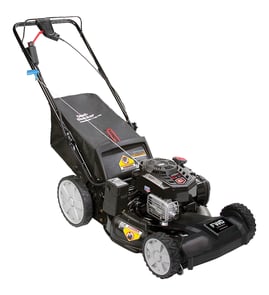
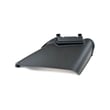


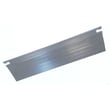


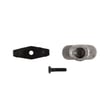


Are gas lawn mowers being phased out?
Gas walk-behind mowers like the Craftsman 24737111 are not being phased out everywhere at once; the shift is happening gradually as some states and cities restrict new sales of certain gas-powered outdoor equipment, while many areas still allow gas mowers and support parts and service.
Regulations and retailer inventory changes usually affect new mower sales first, not the mower you already own. For a working Craftsman 24737111, the most important factor is ongoing maintenance and keeping common wear parts available.
- You can keep using and maintaining your gas mower where local rules allow.
- Parts support typically continues for years, even as new-product lineups change.
- Routine service (blade, cables, wheels, deck cleaning) keeps performance high and reduces the urge to replace.
- Safe operation matters more as equipment ages; follow the safety symbols and operating steps in the manual.
Use these steps to extend the useful life of a Craftsman walk-behind mower:
- Follow the safety and maintenance guidance in the 24737111 operator’s manual.
- Avoid cutting wet grass when mulching; bag clippings instead when grass is over about 4 inches.
- Stop the engine and disconnect the spark plug wire before maintenance.
- If you hit a foreign object, stop immediately and inspect for damage before restarting.
- Keep the cutting system in good shape; a sharp, balanced blade reduces vibration and improves cut quality.
| Maintenance need | What you’ll notice | Example part for this model |
|---|---|---|
| Replace a worn/bent blade | Ragged cut, vibration | 21-in deck mulching blade 942-0741A |
| Replace a stretched/binding control cable | Blade control feels wrong, engine won’t stay running | Lawn mower control cable 946-04661 |
| Replace a damaged grass bag | Poor bagging, clippings leak | Lawn mower grass bag 964-04119 |
Even if new gas mower sales tighten in some areas, keeping your Craftsman 24737111 maintained protects your investment, improves safety (rotating blade and thrown debris risks), and helps you avoid premature replacement.
Last updated: January 2026
How long can gas sit in a gas can for a lawn mower?
For a Craftsman lawn mower model 24737111, we recommend using gasoline within 30 days unless you treat it with a quality fuel stabilizer; with stabilizer and proper storage, fuel can be kept much longer. Always avoid stale or contaminated gasoline because it can cause hard starting and carburetor problems (see the 24737111 owner's manual).
- Best practice: Buy only what you will use in 30 days.
- With fuel stabilizer: Plan on up to 6 to 8 months of good performance in most conditions.
- For seasonal storage: Follow the manual’s storage steps; it allows storing fuel longer when an additive is used and circulated through the carburetor.
- If fuel smells sour or looks dark: Replace it; do not pour it into the mower.
The manual calls out key safety steps that also help prevent fuel issues:
- Let the engine cool at least 2 minutes before refueling.
- Do not spill fuel on painted or plastic surfaces.
- Tighten the fuel cap securely.
- Move the mower at least 10 feet away from the fuel source before starting.
- Never store the mower with fuel indoors or in poorly ventilated areas.
| Situation | What we do | Result |
|---|---|---|
| Fresh gas, no stabilizer | Use within ~30 days | Most reliable starts |
| Gas can stored for months | Add stabilizer right away | Reduces varnish and gum |
| Storing mower over 30 days | Run engine until it stops or treat fuel and run to circulate | Helps protect carburetor |
Old fuel can form gum and varnish in the fuel system, leading to no-start, surging, or poor power. Using fresh gas and following the manual’s storage procedure helps protect the carburetor and keeps your Craftsman walk-behind mower running reliably.
For more fuel-handling tips, we also recommend how to keep lawn mower gas from going bad.
Last updated: January 2026
What kind of gas do I put in my lawn mower?
For the Craftsman lawn mower model 24737111, use fresh, clean unleaded gasoline (most owners use regular unleaded). Never use stale or contaminated fuel, and do not use an oil/gasoline mix because this mower uses a 4-stroke engine with separate engine oil.
Use these guidelines to prevent hard starting, surging, and carburetor problems:
- Use fresh unleaded gasoline from a clean container.
- Avoid stale fuel (especially fuel that has been sitting for weeks or months).
- Never use contaminated fuel (water or dirt in the gas can).
- Never use an oil/gasoline mixture (2-cycle mix).
- Wipe up spills right away; fuel can damage paint and some plastics.
For model-specific operating and fueling details, follow the 24737111 owner's manual.
We recommend this routine every time you refuel:
- Let the engine cool at least 2 minutes before refueling.
- Remove the fuel cap and fill slowly.
- Do not fill above the bottom of the fuel tank neck (leave room for expansion).
- Tighten the cap until it clicks.
- Move the mower at least 10 feet away from the fuel source before starting.
If you will store the mower for 30 days or longer, treat the fuel system to prevent gum and varnish:
| Storage time | Best practice | Result |
|---|---|---|
| Under 30 days | Use fresh gas and keep the can sealed | Fewer starting issues |
| 30+ days | Run engine until it stops from lack of fuel, or add gasoline additive and run a few minutes | Helps protect carburetor |
For seasonal storage steps, we use the same approach outlined in the 24737111 owner's manual.
Using the right gasoline and refueling correctly protects the fuel system, reduces carburetor clogging, and improves starting reliability. It also lowers the risk of fire since gasoline is highly flammable.
Last updated: January 2026