


How much does a 4000 square foot AC unit cost?
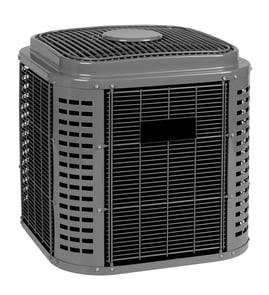
A 4,000 sq ft home typically needs a larger system than the Icp N2H324AKA100; this model number indicates about 24,000 BTU (roughly 2 tons), which is usually undersized for that square footage. Installed central AC pricing for a 4,000 sq ft home is typically $10,000 to $20,000+ for a full system, or $6,000 to $12,000 for an outdoor unit replacement when the indoor coil and refrigerant setup are compatible.
Typical size range for a 4,000 sq ft home
Most homes around 4,000 sq ft land in the 4 to 6 ton range, but the correct size comes from a Manual J load calculation that accounts for your climate and the home’s construction.
Key factors that change the required tonnage and price:
- Climate zone, sun exposure, and humidity
- Insulation level and air sealing
- Window size, type, and shading
- Ceiling height and open floor plans
- Duct leakage, duct sizing, and return airflow
- Electrical capacity, disconnect, and line set condition
Typical installed cost ranges
| Scope of work | Typical installed range | What it usually includes |
|---|---|---|
| Outdoor condenser replacement only | $6,000 to $12,000 | Outdoor unit, refrigerant work, startup checks, basic electrical |
| Full central AC replacement | $10,000 to $20,000+ | Outdoor unit, indoor coil, refrigerant work, labor, commissioning |
| Ductwork repair or replacement (add-on) | +$2,000 to $8,000+ | Sealing, repairs, or new duct runs as needed |
If you are repairing an Icp N2H324AKA100 instead of replacing
If your goal is to keep the existing N2H324AKA100 running (for the space it is sized to cool), common service parts on the outdoor unit include:
Why it matters
Correct sizing and matched indoor and outdoor components improve comfort and humidity control, and they reduce stress on high-wear electrical parts such as the contactor and capacitor.
Last updated: February 2026
What is the most common part to fail on an AC unit?
On most central AC and heat pump outdoor units (including Icp model N2H324AKA100), the capacitor is the most common electrical part to fail because it handles frequent starts and runs in high heat. A failed capacitor often causes a hum, hard starting, or a fan that will not spin.
What you will usually notice first
- Outdoor unit will not start, but you may hear a humming sound
- Outdoor fan is not spinning (or starts only after being pushed, which is unsafe)
- AC runs briefly, then shuts off
- Breaker trips during startup
- Burning smell or bulged, leaking capacitor (power off immediately)
Parts that commonly fail (and what they do)
These are frequent failure points on split-system condensers and heat pumps; several are available for N2H324AKA100:
| Part | What it controls | Common symptom when bad |
|---|---|---|
| Capacitor 1172116 | Helps start/run the compressor and fan motor | Humming, no start, fan not spinning |
| Central air conditioner contactor 1172472 | Sends line voltage to compressor/fan when thermostat calls | Clicking but no run, intermittent operation |
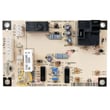
| Central air conditioner heat pump defrost control 1173637 | Manages defrost cycle on heat pump systems | Icing issues, odd cycling in heat mode |
| Condensing unit defrost control board 1173636 | Defrost logic/control (model-dependent) | Defrost problems, heat mode performance issues |
Quick checks we recommend before replacing parts
High voltage is present in the outdoor unit; if you are not trained, use a qualified technician.
- Confirm thermostat is calling for cooling and set below room temperature
- Check the indoor air handler/furnace breaker and the outdoor disconnect
- Inspect the condenser coil for heavy dirt and clear debris around the unit
- Listen for a solid contactor pull-in when cooling starts
- If you test electrically, use a meter correctly; see how to use a multimeter to test electrical parts video
Why it matters
A weak or failed capacitor can prevent the compressor or fan motor from starting, which can quickly lead to overheating, nuisance breaker trips, and more expensive damage. Catching it early is one of the simplest ways to restore cooling and protect major components.
Last updated: February 2026
What size central AC for a 3000 sq ft house?
For a typical 3,000 sq ft home, central AC size usually lands around 4 to 5 tons (about 48,000 to 60,000 BTU/hr). The right size depends on insulation, windows, ceiling height, climate zone, and ductwork, so we recommend confirming with a load calculation before matching equipment to your Icp N2H324AKA100 system.
Quick sizing rule of thumb (and why it varies)
A common starting point is about 18 to 25 BTU per sq ft for many U.S. homes, then adjust for real-world conditions.
- Tighter, well-insulated home: closer to 18 to 20 BTU/sq ft
- Average insulation and windows: closer to 20 to 23 BTU/sq ft
- Hot climate, lots of glass, poor insulation: closer to 23 to 25+ BTU/sq ft
What we recommend for a 3,000 sq ft home
Use this as a planning range, then confirm with a Manual J style load calculation.
| Home condition (typical) | BTU estimate | Approx. tonnage |
|---|---|---|
| Efficient envelope | 54,000 BTU/hr | 4.5 tons |
| Average envelope | 60,000 BTU/hr | 5.0 tons |
| High heat gain | 66,000+ BTU/hr | 5.5+ tons |
Why it matters (oversized vs undersized)
Correct sizing protects comfort and equipment life.
- Oversized units short-cycle, leaving humidity high and increasing wear on the compressor and contactor.
- Undersized units run constantly, struggle on peak days, and can drive up energy use.
- Proper sizing also helps your ductwork deliver the right airflow (CFM) to each room.
Parts that commonly come up during sizing or performance checks
If your system is struggling to start, cool consistently, or maintain airflow, these model-matched electrical parts are often involved in diagnosis and repair.
- Capacitor 1172116 (helps the compressor and fan start and run)
- Central air conditioner contactor 1172472 (switches high voltage to the outdoor unit)
- Lug ground 1172300 (supports safe grounding connections)
Last updated: February 2026
Which is better R32 or R410A for AC?
For most new residential AC systems, R-32 is the better long-term refrigerant than R-410A because it delivers similar or better efficiency with a much lower environmental impact and typically requires a smaller refrigerant charge. For an existing Icp N2H324AKA100 system, the “better” choice is the refrigerant the unit is designed for.
What this means for your Icp N2H324AKA100
We match refrigerant to the equipment design; you do not “upgrade” an R-410A system to R-32 by simply changing refrigerant. If your system needs repair, focus on restoring correct operation (airflow, electrical controls, charge) using the correct refrigerant and compatible parts.
Common service realities:
- R-32 and R-410A use different safety classifications and handling requirements.
- Retrofitting refrigerant types can require major component changes and is not a typical field conversion.
- Many cooling problems blamed on refrigerant are actually electrical or airflow issues.
Quick comparison: R-32 vs R-410A
| Feature | R-32 | R-410A |
|---|---|---|
| Environmental impact (GWP) | Lower | Higher |
| Efficiency potential | High | High |
| Refrigerant charge | Often less | Often more |
| Safety classification | Mildly flammable (A2L) | Non-flammable (A1) |
| Best fit | Newer equipment designed for A2L | Existing installed base |
If your outdoor unit is not cooling, check these first
Before assuming a refrigerant issue, we recommend these practical checks (power off at the disconnect before opening panels):
- Thermostat calls for cooling and indoor blower runs.
- Outdoor fan and compressor attempt to start.
- Contactor pulls in; pitted contacts can prevent reliable power to the compressor (see central air conditioner contactor 1172472).
- Capacitor condition; a weak capacitor can cause hard starting or humming (see capacitor 1172116).
- Low-voltage wiring and connections are intact and not damaged.
Why it matters
Choosing the right refrigerant is about system compatibility and safety. Using the refrigerant your Icp N2H324AKA100 was engineered for protects the compressor, keeps pressures in the intended range, and helps avoid repeat failures.
Last updated: February 2026