

What are the common problems with Whirlpool dryers?
Common Whirlpool dryer problems (including model WED5100HW2) are no-start issues, no-heat or poor drying, drum not turning, unusual noises, and overheating. Most of these trace back to airflow restrictions, power supply problems, or a few high-wear parts in the drive and heating systems.
Most common symptoms and what usually causes them
- Dryer will not start: door switch issue, failed thermal fuse, or power supply problem
- Drum will not spin: worn belt, failed idler pulley, or motor issue
- No heat or weak heat: heating element problem, thermal cut-off, or restricted venting
- Takes too long to dry: clogged lint path, crushed vent hose, or blower wheel issue
- Squealing, thumping, or rumbling: worn drum rollers or idler pulley
- Overheats or shuts off mid-cycle: blocked airflow causing safety devices to open
Quick checks we recommend first (fast, high-impact)
- Confirm power: electric dryers typically need a full 240V supply; a tripped breaker can leave the dryer running but not heating.
- Check airflow: clean the lint screen and make sure the vent to the outside is clear and not kinked.
- Listen for clues: squeal often points to the idler pulley; a heavy thump often points to drum rollers.
- Inspect the lint duct path: buildup inside the cabinet can reduce airflow and raise temperatures.
Parts that commonly fix these problems on WED5100HW2
| Symptom | Common suspect part | Example part for this model |
|---|---|---|
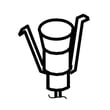
| Squealing or drum drag | Drum support roller | Dryer drum support roller WPW10314173 |
| Drum not turning smoothly | Idler pulley | Dryer idler pulley W10837240 |
| No heat | Heating element | Element, heater 5400w WP3387747 |
| No start or stops from overheating | Thermal fuse | Thermal fuse W10909685 |
| Long dry times, weak airflow | Blower wheel | Dryer blower wheel WP697772 |
Why it matters
Dryer problems often start small (long dry times, a new squeal) and then turn into bigger failures like a blown thermal fuse or damaged drum support parts. Fixing airflow and replacing worn rollers or pulleys helps the dryer run cooler, quieter, and dry faster.
Last updated: February 2026
What does F01 mean on my Whirlpool dryer?
On a Whirlpool WED5100HW2 electric dryer, the F01 error typically points to an electronic control problem (main control board not processing signals correctly). The fastest path to a fix is to reset power, then check wiring connections; if the code returns, the control is usually the failed component.
What to do first (safe, quick checks)
- Unplug the dryer (or switch the breaker off) for 2 to 5 minutes, then restore power.
- If F01 comes back immediately, stop repeated restarts; it can mask an intermittent connection.
- Confirm the dryer has proper power (electric dryers need full 240V supply; a half-tripped breaker can cause odd behavior).
- Inspect the console area for a loose harness plug or pinched wire (take a photo before disconnecting anything).
- If the drum is not turning or the dryer is dead, check the safety circuit; a blown thermal fuse can prevent operation.
Parts that commonly relate to “won’t run” symptoms
F01 is control-related, but these parts often get checked during the same diagnosis because they can create similar “no start” complaints.
| Symptom you see | Common check | Example part for this model |
|---|---|---|
| Dryer won’t start at all | Safety circuit open | Thermal fuse W10909685 |
| Runs but no heat | Heating circuit issue | Element, heater 5400w WP3387747 |
| Runs but shuts off early or temp seems wrong | Temperature sensing issue | Dryer thermistor WP8577274 |
Why it matters
F01 usually means the dryer is not reliably controlling the motor, heater, or sensor inputs. Addressing it early helps prevent repeated shutdowns, poor drying performance, and unnecessary part swapping.
When replacement is the likely fix
If power reset and harness checks do not stop F01, the main control board is the most common root cause. We recommend matching parts by the full model number WED5100HW2 to ensure correct fit and wiring.
Last updated: February 2026
What's the average lifespan of a Whirlpool dryer?
A Whirlpool electric dryer like model WED5100HW2 typically lasts 12 years. With consistent airflow maintenance (lint screen and venting) and avoiding chronic overheating, many dryers reach 10 to 13 years of reliable service before major wear parts start to need attention.
Typical lifespan and what changes it
Most residential electric dryers fall into a predictable range based on heat stress, load size, and airflow.
- Typical average: 12 years
- Common range: 10 to 13 years
- Shortened lifespan drivers: restricted venting, frequent overloading, repeated overheating
- Extended lifespan drivers: short, clean vent run; routine cleaning; prompt repair of squeaks or thumps
Maintenance that most improves dryer life
Airflow is the biggest factor because it controls drying time and operating temperature.
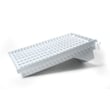
- Clean the lint screen every load; replace a damaged screen such as screen W10120998
- Keep the exhaust vent short, smooth, and clear; remove lint buildup regularly
- Do not overload; heavy loads strain the drum support system and belt path
- Address noise early; worn rollers and idler pulleys can damage the belt and drum over time
- If drying times suddenly increase, troubleshoot heat and airflow before continuing to run cycles
Wear parts you may replace during the dryer’s life
These parts commonly wear out first on many Whirlpool dryers.
| Symptom | Common wear area | Example part for WED5100HW2 |
|---|---|---|
| Thumping or rumbling | Drum support rollers | Dryer drum support roller WPW10314173 |
| Squealing | Idler pulley | Dryer idler pulley W10837240 |
| No heat or weak heat | Heating circuit | Element, heater 5400w WP3387747 |
| Runs but shuts off from overheating | Safety temperature protection | Thermal fuse W10909685 |
Why it matters
Knowing the expected lifespan helps you decide whether to maintain, repair, or refresh key components. On a 10 to 13-year-old dryer, fixing airflow issues and replacing common wear parts often restores performance and prevents repeat failures.
Last updated: February 2026