Error Codes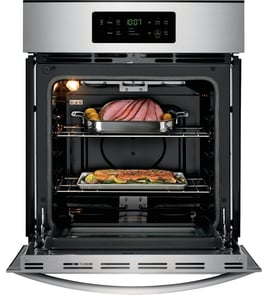



What is the life expectancy of a wall oven?
Most built-in electric wall ovens, including the Jenn-Air W210, typically last 15 to 20 years with normal household use and basic maintenance. Lifespan depends most on heat exposure to components like elements, door sealing, and how often the oven runs at high temperatures.
Typical wall oven lifespan (what to expect)
Wall ovens usually outlast many other appliances because they have fewer moving parts.
- Average lifespan: 15 to 20 years
- Often replaced sooner for remodeling or feature upgrades rather than failure
- Most common wear items: heating elements, door gasket/seal, light bulb, control components
- Heavy use (daily baking, frequent self-clean cycles) can shorten lifespan
What affects lifespan the most
A few habits and conditions make the biggest difference over time:
- Self-clean frequency: high heat can stress wiring, door locks, and electronics
- Door seal condition: heat leaks make the oven work harder and can overheat surrounding parts
- Element health: weak bake or broil performance can increase run time and strain components
- Ventilation and installation fit: restricted airflow can raise internal temperatures
- Cleaning and spills: baked-on spills can create hot spots and odors that encourage overuse of self-clean
Quick “repair vs. replace” guide
Use this as a practical decision check.
| Situation | Usually makes sense to repair | Usually makes sense to replace |
|---|---|---|
| Oven age | Under ~12 years | Over ~15 to 20 years |
| Problem type | Wear item (light, element, seal) | Repeated major failures |
| Cost vs. value | Repair is a small fraction of replacement | Repair cost is close to replacement |
Why it matters
Knowing the typical 15 to 20 year life expectancy helps us plan smart repairs. Replacing common wear parts can restore performance and efficiency, while repeated high-cost issues late in the oven’s life often point toward replacement.
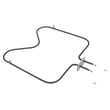
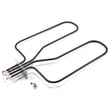
If you are troubleshooting heating or uneven baking on the W210, common starting points are the bake element WPY04000066 and oven broiler element WPY04000048.
Last updated: January 2026
What is the disadvantage of a wall oven?
A wall oven like the Jenn-Air W210 gives you flexible kitchen layout and easier access than a range, but the tradeoffs are higher total cost, more involved installation, and repairs that can take longer because the oven is built into cabinetry.
Common disadvantages (what most owners notice)
- Higher overall cost: you typically buy a wall oven and a separate cooktop.
- More complex installation: cabinet cutout, electrical supply, and safe mounting all matter.
- Harder service access: built-in units can require partial removal from the cabinet for some repairs.
- Heat and ventilation planning: tight cabinetry can trap heat if clearances are not right.
- Ergonomics vary: a low install height can still mean bending; a high install height can make lifting heavy roasts awkward.
What this means for the Jenn-Air W210 specifically
Even on the W210, many common repairs are still straightforward, but access can be the limiting factor. For example, replacing an oven light 8009 is usually simpler than diagnosing a no-heat condition that could involve wiring, controls, or a heating circuit.
| Issue type | Typical impact with a wall oven | Example part you might replace |
|---|---|---|
| Convenience item | Often accessible from the oven cavity | Oven light 8009 |
| No-bake heat | May require pulling the unit for testing | Bake element WPY04000066 |
| Weak broil | Element testing and access can take time | Oven broiler element WPY04000048 |
Why it matters
Wall ovens are a great fit when you want a built-in look or a separate cooktop, but budgeting for installation and planning for service access helps you avoid surprises later.
Last updated: January 2026
Do electric wall ovens need to be vented?
Yes. Electric wall ovens like model W210 are designed to vent heat and moisture through built-in oven vents, so you do not add a separate duct or external vent. What matters most is keeping the factory vent openings and cabinet clearances unobstructed so the oven can exhaust hot air normally.
How wall oven venting works
Most electric wall ovens use passive airflow and a cooling fan to move heat away from the control area and out through a front vent (often along the bottom of the oven frame or trim). That vent path is part of the oven’s safety and temperature control.
Do not seal, tape over, or block the vent slots with insulation, trim, or cabinet edging.
Installation and cabinet clearance tips
Use these practical checks to avoid overheating and nuisance issues (like long cool-down times or warm cabinetry):
- Keep the front vent area clear of foil, towels, and oven liners.
- Do not store items that can melt or warp directly above or below the vent path.
- Confirm the oven sits square in the cutout so the trim does not pinch airflow.
- Avoid adding weatherstripping around the oven frame; it can trap heat.
- If you feel excessive heat at the control panel, stop using the oven and inspect for blocked airflow.
Common symptoms of blocked venting
| What you notice | Likely cause | What to check first |
|---|---|---|
| Cabinet faces feel unusually hot | Vent path restricted | Front vent slots and cutout clearance |
| Oven shuts off or bakes unevenly | Overheating or poor airflow | Cooling fan area and vent openings |
| Steam or odors linger | Normal moisture not exhausting well | Vent not blocked; door seal condition |
Why it matters
Proper venting protects the electronic controls, helps the oven hold steady baking temperatures, and reduces heat stress on surrounding cabinetry. If the door does not seal well, heat can escape in the wrong places and make venting seem “worse” than it is.
If you suspect heat is leaking around the door, inspect the door gasket and consider replacing the door seal wp7212p007-60.
Last updated: January 2026