
Can I wash a wet dry vac filter?
Yes, you can wash some wet/dry vacuum filters, but only if the filter is designed to be washable (typically foam “wet” filters). For a Craftsman 113179171 16-gallon wet/dry vacuum, avoid washing standard paper or cartridge-style filters; replace them if they are clogged or damaged.
Check the filter material and how you use the vacuum.
- Foam sleeve or foam ring: commonly washable and reusable
- Pleated paper or paper-like cartridge: typically not washable
- Fine dust (drywall, concrete, ash): clogs filters quickly; washing usually does not restore airflow
- Wet pickup: often uses a foam wet filter or a specific wet setup
- Strong odor, tears, crushed pleats: replace the filter
If your filter is foam and intended for wet pickup, washing is usually safe.
- Unplug the wet/dry vac.
- Remove the filter and knock off loose debris.
- Rinse with cool to lukewarm water; use mild soap if needed.
- Rinse thoroughly until water runs clear.
- Air-dry completely before reinstalling.
- Do not reinstall a damp filter; it can restrict airflow and promote odors.
- Do not use hot water, bleach, or harsh cleaners on foam.
- Do not wash pleated paper filters; they can swell, tear, and lose filtration.
| Filter type | Typical use | Washable? |
|---|---|---|
| Foam wet filter | Wet pickup | Yes |
| Pleated paper cartridge | Dry pickup, general debris | No |
| Fine-dust/high-efficiency style | Fine dust | Usually no (follow filter labeling) |
A clean, correct filter protects the motor, keeps suction strong, and prevents dust blow-by. Using the wrong filter for wet pickup can also shorten filter life and reduce performance.
For help identifying the correct filter style for your Craftsman 113179171, use the model number to look up the filter options on Sears PartsDirect.
Last updated: February 2026
Are wet dry vac filters universal?
Wet/dry vac filters are not universal. For a Craftsman 113179171 16-gallon wet/dry vacuum, the correct filter depends on the mounting style, tank size range, and whether you need dry pickup, fine dust, or wet pickup performance.
Many filters marketed as “universal” only fit a range of gallons (for example, 5 to 18 gallons) and a specific filter cage or lid design. If the base diameter, height, or attachment method differs, the filter will not seal correctly.
- Twist-lock or quarter-turn onto a filter cage
- Screw-on/knob-retained center mount
- Slip-on with retaining band
- Foam sleeve (often for wet pickup)
- Bag filter (often for fine dust and drywall)
Use these checks before ordering:
- Confirm the model number 113179171 on the data label.
- Compare the old filter’s top opening shape and locking method.
- Measure approximate filter height and base diameter.
- Decide what you vacuum most: sawdust, drywall dust, cement dust, or water.
- Make sure the filter type matches the job (some “cartridge” filters are for dry pickup only).
| What you’re picking up | Best filter type | Why |
|---|---|---|
| General dry debris | Standard cartridge | Good airflow and everyday filtration |
| Fine dust (drywall/cement) | High-efficiency cartridge or bag | Captures finer particles, reduces blow-by |
| Water/wet pickup | Foam sleeve or wet-rated setup | Prevents damage and improves wet performance |
A filter that does not fit and seal can cause loss of suction, dust bypass into the motor, and shorter motor life. Matching the correct style for your Craftsman wet/dry vacuum keeps airflow strong and protects the powerhead.
For help identifying the exact filter style and other compatible maintenance items, use the model lookup and diagrams on Sears PartsDirect.
Last updated: February 2026
How do I remove the filter from my CRAFTSMAN wet dry vacuum?
To remove the filter on your Craftsman 113179171 16-gallon wet/dry vacuum, unplug the vacuum first, open the powerhead (motor lid), then release the filter retainer (often a knob, wing nut, or latch) and lift the filter straight off the cage.
- Unplug the wet/dry vacuum and remove the hose.
- Release the latches and lift off the powerhead.
- Locate the filter on the filter cage (center of the tank opening).
- Remove the filter retainer (turn the knob or loosen the fastener counterclockwise).
- Slide the filter off the cage; keep it upright to avoid dumping debris.
- Reinstall by sliding the filter back on and tightening the retainer snugly (do not overtighten).
| Filter style | What holds it on | How it comes off |
|---|---|---|
| Cartridge (pleated) | Knob or nut on the cage | Twist retainer off, pull filter straight off |
| Foam sleeve (wet pickup) | Friction fit or band | Pull sleeve off the cage evenly |
| Bag style (some setups) | Ring or inlet collar | Release ring/collar, remove bag carefully |
- Tap the filter gently to break the dust seal before pulling.
- Wiggle while pulling straight out; avoid twisting hard (it can crack the cage).
- If it is wet, let it air-dry before removal to reduce tearing and mess.
Removing the filter correctly prevents damage to the filter cage and helps maintain suction and airflow. A loose or mis-seated filter can also let fine dust reach the motor.
For more DIY help with safe electrical checks during troubleshooting, use our guide: how to use a multimeter to test electrical parts video.
Last updated: February 2026
What is the list of vacuum cleaner parts?
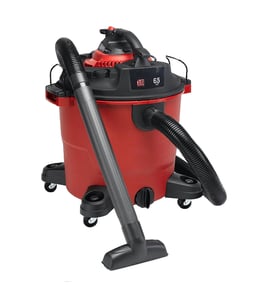
For the Craftsman 113179171 16-gallon wet/dry vacuum, the main parts you will typically see are the motor (powerhead), filter, hose, tank (drum), and the seals and latches that keep airflow tight. These parts work together to create suction, capture debris, and prevent leaks.
- Motor and fan (powerhead): creates airflow and suction
- Filter (cartridge or foam sleeve): traps dust and protects the motor
- Float/cage assembly: helps prevent liquid from reaching the motor during wet pickup
- Hose and end fittings: carries debris from the nozzle to the tank
- Wands and nozzles (attachments): direct suction for floors, crevices, or wet pickup
- Tank (drum) and drain cap (if equipped): holds debris and liquids
- Latches, lid gasket, and seals: prevent air leaks that reduce suction
| Part group | Primary job | Common symptom when it fails |
|---|---|---|
| Motor/powerhead | Generates suction | Won’t start, weak suction, unusual noise |
| Filter | Captures fine dust | Dust blowing out, clogging, reduced airflow |
| Hose/attachments | Moves debris to tank | Poor pickup, whistling air leak, clogs |
| Seals/latches | Keeps system airtight | Weak suction, lid won’t seal |
| Float system | Protects motor on wet pickup | Suction stops during wet pickup, water risk |
- If suction is weak, check for a clogged filter, a blocked hose, or a leaking lid gasket.
- If the vacuum shuts off during wet pickup, empty the tank and check the float for sticking.
- If it won’t turn on, inspect the power cord, switch, and internal wiring before replacing major components.
- If it blows dust, confirm the correct filter is installed and seated evenly.
Wet/dry vacuums like the Craftsman 113179171 rely on airtight airflow. A small issue (like a loose latch, cracked hose cuff, or dirty filter) can reduce performance as much as a bigger motor problem.
For help identifying the correct replacement parts by model number, use how to find your appliance model number (and what it means for parts).
Last updated: February 2026