Owner’s manual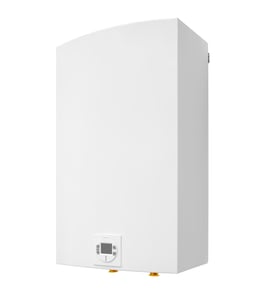

What boilers do plumbers recommend?
Plumbers typically recommend boilers that are proven reliable, easy to service, and properly sized for the home; in the U.S., that often means well-supported cast-iron and high-efficiency condensing lines from established brands. If you already own a Dunkirk PVSB-4D, the biggest “recommendation” factor is correct installation, venting, and ongoing maintenance per the PVSB-4D owner's manual.
What plumbers prioritize (and what you should too)
- Correct boiler sizing (heat loss calculation, not just “same size as the old one”)
- Fuel type and venting compatibility (natural gas vs. LP; chimney vs. direct vent)
- Serviceability and parts availability (common controls, standard fittings)
- Efficiency goals (standard vs. high-efficiency condensing)
- Local code compliance and safe combustion setup
Commonly recommended boiler types
| Boiler type | Best for | Typical trade-off |
|---|---|---|
| Cast-iron, atmospheric | Simple replacements, long service life | Lower efficiency than condensing |
| Cast-iron, power-vent | Homes without a good chimney | More components to maintain |
| Condensing (high-efficiency) | Lower fuel use, modern controls | Needs proper condensate handling and setup |
If you have a Dunkirk PVSB-4D
This model is commonly chosen for straightforward hydronic heat where durability and service access matter. When performance issues come up, plumbers usually check venting and safety controls first.
Parts that often relate to “no heat” or nuisance shutdowns include:
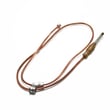
- Spill switch 1500009 (safety switch that can trip if venting is unsafe)
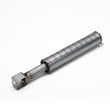
- Press limit PA404A1033 (pressure control that helps protect the system)
- 6in vent 240006938 (venting components must match the approved setup)
Why it matters
A “top” boiler brand can still run poorly if it is oversized, vented incorrectly, or not maintained. A properly installed boiler with the right safety controls and venting setup delivers safer operation, steadier heat, and fewer lockouts.
Last updated: February 2026
What is the average lifespan of a steam boiler?
A residential steam boiler typically lasts 20 to 30 years. With consistent maintenance (water quality control, regular cleaning, and correct operating pressure), many systems reach the high end of that range and beyond; neglected boilers fail much sooner.
Typical lifespan ranges (what to expect)
- 20 to 30 years: common for many home steam boilers
- 15 to 20 years: more likely with poor water quality, frequent short-cycling, or skipped maintenance
- 30+ years: achievable when the system is kept clean, properly vented, and run at correct pressure
What shortens steam boiler life fastest
- Dirty boiler water and sludge buildup
- Scale from hard water or poor water treatment
- Running at higher-than-needed pressure
- Frequent on/off cycling from control or thermostat issues
- Venting or combustion problems (sooting, poor draft)
Maintenance checklist that protects the boiler
Use your Dunkirk PVSB-4D documentation as your baseline; see the owner's manual.
- Keep the boiler water clean (follow the recommended blowdown or draining routine)
- Verify the pressure control is operating correctly (common control is a press limit PA404A1033)
- Confirm safety switches are intact and not bypassed (example: spill switch 1500009)
- Inspect venting and draft; replace damaged vent components as needed (example: 6in vent 240006938)
- Address leaks quickly; fresh makeup water accelerates corrosion
Quick “replace vs. repair” guide
| What you’re seeing | What it usually means | Typical next step |
|---|---|---|
| Boiler is near 25 to 30 years old | End-of-life risk increases | Plan for replacement budgeting |
| Frequent low-water or pressure issues | Control, piping, or maintenance problem | Diagnose controls and system piping |
| Leaks at sections or persistent corrosion | Structural deterioration | Replacement is often the practical fix |
| Sooting or poor combustion | Venting, burner, or gas valve issue | Service combustion and venting |
Why it matters
A steam boiler that is kept clean and controlled at proper pressure runs more efficiently, cycles less, and avoids the corrosion and scale that shorten lifespan. That directly reduces breakdowns and helps protect major components like the heat exchanger and controls.
Last updated: February 2026
What size boiler do I need for a 2000 square foot house?
For a 2,000 sq ft home, most houses land in the 60,000 to 100,000 BTU/hr boiler output range, but the right size depends on your heat-loss (insulation, windows, air leakage, and climate). Use the sizing guidance in the PVSB-4D owner's manual and match the boiler to a proper heat-loss calculation to avoid short-cycling or cold rooms.
Quick sizing rules of thumb (starting point)
Use these as a rough estimate only; the heat-loss calculation is what locks in the correct size.
- Mild climates or very efficient homes: ~20 to 25 BTU per sq ft (about 40,000 to 50,000 BTU/hr)
- Average insulation in many regions: ~25 to 35 BTU per sq ft (about 50,000 to 70,000 BTU/hr)
- Colder climates or drafty/older homes: ~35 to 50 BTU per sq ft (about 70,000 to 100,000 BTU/hr)
- If you have high ceilings, lots of glass, or poor insulation, size trends higher
- If you have air sealing, upgraded windows, and good attic insulation, size trends lower
What to gather before you size
Having these details makes the final BTU number accurate.
- ZIP code or climate zone
- Home age and insulation levels (attic, walls)
- Window type and approximate window area
- Ceiling height (8 ft vs 9 to 12 ft makes a difference)
- Whether the boiler also makes domestic hot water (indirect tank)
Why it matters (oversizing vs undersizing)
Correct sizing protects comfort and efficiency.
| If the boiler is... | What you’ll notice | What it can cause |
|---|---|---|
| Oversized | Short run times, frequent on/off | Lower efficiency, more wear on controls and gas valve |
| Undersized | Rooms stay cool in cold weather | Long run times, comfort complaints |
Model-specific note for Dunkirk PVSB-4D
Your Dunkirk PVSB-4D boiler’s exact firing rate and approved venting and setup requirements are model-specific. When you’re comparing BTU needs to equipment capacity, confirm the boiler’s ratings and configuration details in the PVSB-4D owner's manual.
Last updated: February 2026
Who manufactures Dunkirk boilers?
Dunkirk boilers are manufactured under the Dunkirk brand as part of ECR International. For model PVSB-4D, the manufacturer information and model-specific identification details are best confirmed using the documentation for your exact boiler.
How to confirm the manufacturer for your PVSB-4D
Use these quick checks so you match the right brand and parts list:
- Check the rating plate label on the boiler jacket for Dunkirk and PVSB-4D
- Match the model number exactly (letters, dashes, and suffixes matter)
- Look for the manufacturer or parent-company line on the data label
- Cross-check the model and series information in the owner's manual
- Use the confirmed model number when selecting boiler parts like a gas valve, pressure limit, or spill switch
What “manufacturer” can mean (and why it matters)
Depending on what you are trying to do, “who manufactures it” can refer to different things:
| What you need | What to look for | Why it matters |
|---|---|---|
| Ordering replacement parts | Brand and exact model number | Ensures correct fit and safe operation |
| Service and troubleshooting | Manual wiring and control descriptions | Helps identify controls like limits and switches |
| Identifying the unit family | Series name and label details | Prevents mixing parts across similar-looking boilers |
Related parts you may see on this PVSB-4D parts list
If you are confirming the boiler identity to buy parts, these are examples of components commonly tied to the model listing:
- Press limit PA404A1033 (pressure control/limit function)
- Spill switch 1500009 (safety switch related to venting/spillage conditions)
- Gas valve (fuel control component; match by model and specifications)
Why it matters
Boilers are safety-critical appliances; matching the correct manufacturer and exact model number (PVSB-4D) is the difference between ordering a compatible control and installing a part that does not match the boiler’s required specifications.
Last updated: February 2026