Owner’s manual
 View engine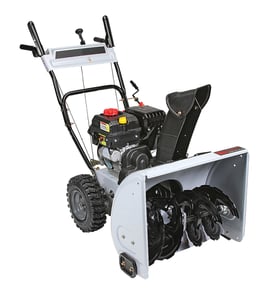



How do I tell what year my snowblower is?
To tell the year of your Craftsman snow thrower model 917881051, we use the engine manufacture date code (stamped on the engine) and the serial number decal on the rear of the snow thrower housing. The engine code gives the most direct build date for the engine; the serial decal helps confirm the unit’s identity. See the 917881051 owner's manual for where the model and serial decal is located.
Where to find the numbers you need
Most owners can locate these in a few minutes:
- Model and serial number decal: on the rear of the snow thrower housing
- Engine date code: stamped on the engine (often near the valve cover, recoil starter, or blower housing)
- Engine model/type/code label: sometimes on a sticker or metal tag on the engine shroud
- Purchase date: if you still have the receipt, it helps narrow the “model year” you think of
How to read the engine manufacture date code
Many small engines use a numeric code where the first two digits indicate the year. For example, a code like 99011556 typically reads as:
- 99 = year
- 01 = month
- 15 = day
That would indicate January 15, 1999 as the engine manufacture date.
| What you’re checking | What it tells you | Best use |
|---|---|---|
| Engine manufacture date code | When the engine was built | Best for determining “year” quickly |
| Snowblower serial number decal | Identifies the unit | Best for ordering correct parts |
| Purchase date | When it was sold | Helps estimate the unit’s in-service age |
Why it matters
Knowing the build year helps us match the right Craftsman parts and service procedures, especially for wear items like belts, cables, and auger/drive components.
- If you’re replacing the auger belt, match it to the exact model listing (example: snowblower auger drive belt 532408007).
- If you’re troubleshooting chute or drive controls, the correct cable routing and adjustments depend on the exact configuration.
Last updated: January 2026
What is the typical lifespan of a gas snowblower?
A typical gas snowblower lasts 10 to 15 years with normal residential use. For a Craftsman snow thrower like model 917881051, consistent maintenance (oil changes, cleaning, and correct off-season storage) is what most often determines whether you land closer to 10 years or closer to 15+ years; see the 917881051 owner's manual.
What makes a gas snowblower last longer
We see the longest service life when owners stay ahead of wear items and storage issues.
- Change engine oil on schedule and use the correct oil viscosity for temperature
- Keep the housing clean and dry after each use
- Replace seasonal wear items before they fail (spark plug, belts, shear pins)
- Use fresh fuel and prevent fuel-system gumming during storage
- Inspect and tighten fasteners; replace worn parts early
Maintenance checkpoints that matter most
The 917881051 manual calls out key specs and seasonal tasks that directly affect engine life.
| Item | Typical interval | Why it matters |
|---|---|---|
| Engine oil | At least once per season (more with heavy use) | Reduces internal wear and overheating |
| Spark plug | Beginning of each season or every 100 hours | Helps reliable starting and smooth running |
| Cleaning | After each use | Prevents corrosion and packed snow damage |
| Storage prep | End of season or 30+ days unused | Prevents fuel deposits and rust |
Quick storage routine (end of season)
Use this as a practical checklist before putting the snowblower away.
- Clean the entire unit and remove packed snow, dirt, and salt residue
- Inspect belts and replace if worn (belt wear is common on two-stage units)
- Lubricate moving points as outlined in the manual
- Check that nuts, bolts, and screws are secure
- Store in a clean, dry area; avoid storing with fuel fumes near ignition sources
Why it matters
Most “short lifespan” snowblower failures are preventable: dirty operation, old fuel during storage, and neglected wear parts can shorten engine life significantly. A simple seasonal routine keeps the auger/impeller system working efficiently and protects the engine.
Last updated: January 2026
What is the most common problem with snow blowers?
The most common problem we see with snow blowers like the Craftsman 917881051 is a no-start or hard-start condition caused by fuel and ignition issues (old gas, a dirty carburetor, or a worn spark plug). Clogged discharge chutes and worn drive or auger belts are also frequent.
Most common issues (and what to check first)
- Old or contaminated fuel: replace old gas; use fresh fuel and proper storage practices.
- Spark plug or ignition issue: inspect the plug, set the correct gap if applicable, and replace if fouled.
- Clogged discharge chute: shut the engine off and clear the chute safely.
- Auger not turning: check for broken shear bolts/pins and belt wear.
- Poor drive/traction: inspect the drive system for belt slippage and worn friction components.
Safety first when troubleshooting
The manual calls out that clearing a clogged chute is a major injury risk. Follow these steps every time:
- Shut the engine off.
- Wait 10 seconds for the impeller to stop.
- Use a clean-out tool, not your hands.
- Keep bystanders, kids, and pets away during startup and operation.
For model-specific operating and maintenance details, follow the 917881051 owner's manual.
Quick symptom-to-likely-cause guide
| Symptom | Most likely cause | Good first step |
|---|---|---|
| Engine will not start | Old fuel, spark plug issue | Drain/replace fuel; check spark plug |
| Runs rough or surges | Fuel restriction, carburetor varnish | Refresh fuel; inspect fuel path |
| Snow won’t discharge well | Chute/impeller packed with snow | Shut off; clear chute safely |
| Auger won’t spin | Belt worn/slipping | Inspect/replace snowblower auger drive belt 532408007 |
Why it matters
Most “common problems” are preventable maintenance items. Fresh fuel, correct storage, and periodic belt checks (the manual recommends checking V-belts for wear about every 50 hours) reduce downtime and help protect the auger and drive system.
Last updated: January 2026
Is it cheaper to repair or replace a snowblower?
For the Craftsman snow thrower model 917881051, it’s usually cheaper to repair when the problem is a normal wear item (belt slip, cable adjustment, basic tune-up). Replacement makes more sense when repair costs approach about half the price of a comparable new snowblower, especially if multiple major systems are worn.
Quick decision checklist
- Repair if the issue is routine maintenance or a single failed part (belt, cable, spring, fastener).
- Repair if the engine starts and runs well and the auger and drive systems are basically sound.
- Replace if the machine needs repeated major repairs season after season.
- Replace if the auger/drive system has extensive damage (gearbox, shafts) plus other wear.
- Replace if the frame or auger housing is badly deteriorated and won’t hold adjustments.
Typical repair costs vs replacement value
Use this as a practical way to compare options for a gas snowblower like the 917881051.
| Situation | Usually best choice | Why |
|---|---|---|
| Belt slipping or worn belt | Repair | Wear item; common service per the manual’s belt guidance. |
| Chute control not moving smoothly | Repair | Often adjustment or cable/rod issue. |
| Auger gearbox or worm gear failure | Depends | Parts and labor can be high; compare to new unit cost. |
| Multiple issues (drive + auger + engine) | Replace | Costs stack quickly and reliability drops. |
Model-specific notes that affect the decision
The 917881051 operator’s manual calls out that belts are not adjustable and should be replaced when worn or slipping; it also recommends OEM belts and notes belt replacement involves separating the snowblower (a more involved repair). Checking the procedures in the 917881051 owner’s manual helps you estimate time, tools, and whether you want a shop to handle it.
If you already know the auger belt is the problem, pricing a known part like the snowblower auger drive belt 532408007 is a good way to estimate a repair total before deciding to replace.
Why it matters
A snowblower that is otherwise solid can run for many seasons with routine maintenance (oil changes, spark plug checks, lubrication). Repairing wear items preserves the value you already have; replacing is smartest when reliability and safety start depending on multiple expensive fixes.
Last updated: January 2026