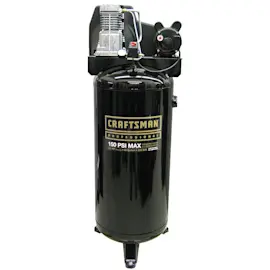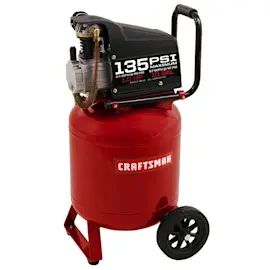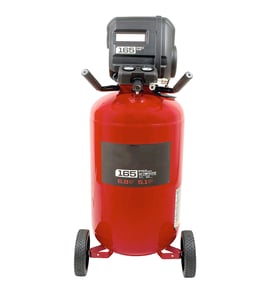

How do I find the model number on my 106154541?
The model number for your Craftsman twin-cylinder tank-type paint sprayer is printed on the model and serial tag. On model 106154541, that tag is typically on the tank, frame, or near the motor/pump area where it stays visible during service.
Check these common locations first:
- On the air tank near the drain valve end
- On the tank saddle or mounting bracket
- On the frame rail under the handle
- Near the motor housing or pump shroud
- On the rear of the unit near the power cord entry
Most tags include multiple fields. We recommend copying these exactly:
- Model number (for example: 106154541)
- Serial number
- Voltage and amperage (helpful for electrical parts)
- Tank capacity and maximum PSI (helpful for pressure-control parts)
| Field | Why we need it |
|---|---|
| Model number | Matches diagrams and parts lists |
| Serial number | Helps confirm production version |
| Electrical ratings | Helps match switches, cords, motors |
Craftsman compressors and paint sprayers often have similar-looking tanks and pumps across different model numbers. Using the exact model number prevents ordering the wrong pressure switch, regulator, check valve, or safety valve.
For a quick walkthrough on locating and using the tag information, use [how to find your appliance model number (and what it means for parts)].
Last updated: March 2026
What is the average lifespan of 106154541?
The average lifespan of a Craftsman twin-cylinder tank-type air compressor/paint sprayer like model 106154541 is 10 to 15 years with normal DIY use and routine maintenance (clean intake filtration, drain the tank, and fix air leaks promptly).
These factors make the biggest difference on compressors in this class:
- Tank corrosion from not draining condensation
- Overheating from restricted airflow or dirty cooling fins
- Running past the duty cycle (long continuous run time)
- Dirty or missing intake filter (accelerates pump wear)
- Air leaks that force frequent cycling
We recommend these habits for model 106154541:
- Drain the tank after each use until moisture stops
- Check fittings/hoses for leaks (soap-and-water test)
- Keep the unit level and ensure good ventilation around the pump
- Inspect the power cord and switch for heat damage
- Store in a dry area to reduce rust
| Maintenance item | Typical frequency |
|---|---|
| Drain tank | After each use |
| Leak check | Monthly or when cycling increases |
| Intake filter check | Every few uses |
Most “compressor failures” start as small issues (water in the tank, a slow leak, or overheating) that shorten pump life and can also damage pressure-control components.
For safety basics before any DIY checks, review [are diy appliance repairs safe].
Last updated: March 2026
What replacement parts are most commonly needed for the 106154541?
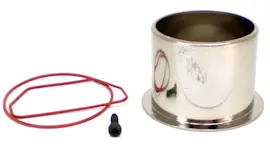
For Craftsman model 106154541, the most commonly replaced items are wear parts in the air path and pressure-control system. These parts typically fail from normal use, vibration, moisture in the tank, or air leaks that cause frequent cycling.
These are the parts we see needed most often on twin-cylinder tank-type compressors/paint sprayers:
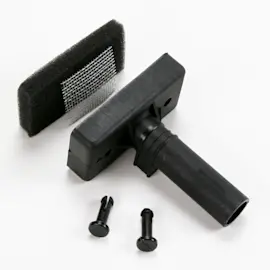
- Intake air filter element (clogs and restricts airflow)
- Regulator (won’t hold or adjust outlet pressure)
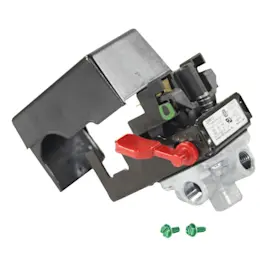
- Pressure switch (won’t start/stop at cut-in or cut-out)
- Safety relief valve (leaks or won’t reseat)
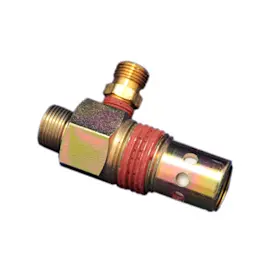
- Tank check valve (air leaks back toward the pump)
- Unloader valve or unloader line (hard starting, hissing after shutoff)
- Hose fittings and quick-connect couplers (leaks at connections)
| Symptom | Most likely parts to check |
|---|---|
| Runs but won’t build pressure | Intake filter, check valve, pump seals/valves |
| Constant hissing near switch after shutoff | Unloader valve/line, check valve |
| Won’t start, trips breaker | Pressure switch, motor, cord, capacitor (if equipped) |
| Pressure won’t regulate at outlet | Regulator, gauge, fittings |
Replacing the correct small component (like a check valve or regulator) often restores normal cut-in/cut-out operation and prevents extra run time that wears out the pump and motor.
If you plan to test electrical components like a pressure switch, use [how to use a multimeter to test electrical parts video].
Last updated: March 2026