Owner’s manual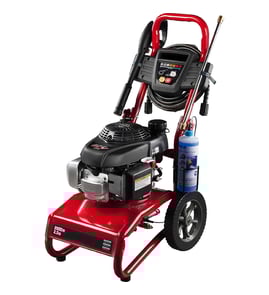




What kind of gas goes in a Craftsman 3000 PSI pressure washer?
Use clean, fresh, unleaded gasoline with a minimum rating of 87 octane (87 AKI). For your Craftsman pressure washer model 580750910, avoid old fuel and don’t mix oil into the gas; the engine uses the correct oil level in the crankcase instead. See the fuel recommendations in the owner's manual.
Fuel type and what to avoid
Use standard pump gas that meets the octane requirement, and skip anything that commonly causes hard starting or surging.
- Use unleaded gasoline, 87 octane (87 AKI) or higher
- Use fresh fuel (ideally less than 30 days old)
- Avoid stale gas (varnish smell, dark color)
- Avoid overfilling the tank; leave room for expansion
- Avoid mixing oil into the gas (this is not a 2-cycle fuel mix)
Quick checklist before you fill up
These steps help prevent “won’t start” and “engine losing power” symptoms.
| Check | What we recommend | Why it helps |
|---|---|---|
| Fuel freshness | Fresh, clean unleaded | Reduces carburetor clogging and surging |
| Octane | 87 AKI minimum | Helps prevent knock under load |
| Container | Clean, approved gas can | Keeps water and debris out |
| Storage | Seal tightly, store cool | Slows fuel breakdown |
Why it matters
Gas pressure washers rely on steady engine RPM to maintain pump pressure. Old or contaminated fuel is one of the most common causes of rough running, low power, and hard starting, especially after storage.
If performance still isn’t right
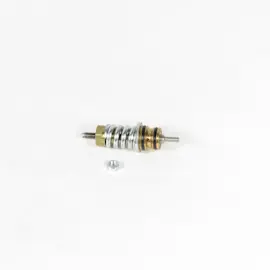
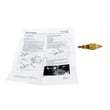
If you’re getting weak pressure or pulsing after using fresh fuel, the issue is often on the pump side (not the gas). A sticking unloader can cause pressure fluctuations; the pressure washer unloader valve kit 772235 is the model-matched replacement part listed for this unit.
Last updated: February 2026
How many PSI for my pressure washer?
Most home cleaning jobs need 1,300 to 2,800 PSI, and your Craftsman 580750910 is designed for typical residential tasks like washing vehicles, siding, decks, and patios. For the exact rated PSI for your specific unit, check the specifications section in the owner's manual.
Quick PSI guide by cleaning task
- 1,300 to 1,900 PSI: cars, patio furniture, grills, small outdoor tools
- 2,000 to 2,800 PSI: decks, fences, siding, most driveway and walkway cleaning
- 2,900+ PSI: heavy concrete prep and stubborn stains (use extra care to avoid damage)
How to get the best results at the right pressure
Using the correct PSI is only part of the equation; flow (GPM), spray tip, and hose condition also control cleaning power.
- Start with a wider spray pattern and move closer only as needed
- Keep the spray moving to avoid etching wood or stripping paint
- Use detergent mode only with the correct low-pressure setup
- Make sure the garden hose supply is fully on and not kinked
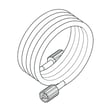
- Replace a worn or leaking high-pressure hose to maintain performance (see pressure washer hose 84006753)
PSI vs. “cleaning power” (what actually changes)
| What you change | What you’ll notice | Why it matters |
|---|---|---|
| Spray tip angle (wider to narrower) | More or less “bite” on the surface | Narrow tips concentrate pressure and can damage soft materials |
| Distance from surface | Stronger impact up close | Too close can gouge wood and force water behind siding |
| Hose/nozzle condition | Pulsing, weak spray, leaks | Pressure loss reduces cleaning and strains the pump |
| Unloader valve operation | Surging or pressure spikes | A sticking unloader can cause unstable pressure |
When PSI seems “wrong” (too weak or surging)
If your washer runs but pressure is low, pulses, or spikes, these are common causes:
- Clogged or worn spray tip
- Air in the water supply line
- Inlet screen blocked with debris
- High-pressure hose leak or internal damage
- Unloader valve sticking (see pressure washer unloader valve kit 772235)
For step-by-step troubleshooting and repair basics, use solving pressure washer problems.
Why it matters
Matching PSI to the job helps you clean faster while protecting surfaces, seals, and pump components. Running more pressure than you need increases the chance of damage and can shorten pump life.
Last updated: February 2026
Can you use a 4000 PSI pressure washer on a car?
Using a 4000 PSI pressure washer on a car is not recommended; that pressure can strip paint, damage trim and decals, and force water past seals into door jambs, lights, and electrical connectors. For car washing, we use lower pressure and a wider spray pattern.
Safer way to wash a car with a pressure washer
If you use a gas pressure washer like Craftsman model 580750910, keep pressure and spray angle conservative.
- Use a wide fan tip (typically 40-degree) and keep the wand moving
- Stay back; start around 3 to 4 feet away and move closer only if safe
- Avoid direct spray at badges, pinstripes, window seals, and weatherstripping
- Never spray into the engine bay, door seams, or around electrical connectors
- Use soap through a low-pressure setting or chemical injector, then rinse gently
For operating limits and recommended spray tips for your unit, follow the owner's manual.
Quick pressure and distance guide (typical)
These ranges help prevent damage on automotive paint and trim.
| Task | Typical PSI range | Typical distance | Tip style |
|---|---|---|---|
| Pre-rinse and rinse | 1,000 to 1,800 | 2 to 4 ft | Wide fan |
| Wheels and tires (careful) | 1,500 to 2,500 | 1 to 2 ft | Fan tip |
| Heavy grime (not paint) | Up to 3,000 | 2+ ft | Fan tip |
| Car paint with 4,000 PSI | Not recommended | N/A | N/A |
Why it matters
Automotive clear coat, plastic trim, and rubber seals are designed for rain and hose pressure, not concentrated high-pressure spray. Too much PSI or a narrow tip can cut into clear coat and push water into places that later cause corrosion or electrical issues.
If your pressure washer is “too strong” or surging
A pressure washer that spikes pressure or surges can be harder to control on delicate surfaces.
- Check for a partially clogged spray tip
- Verify the garden hose supply is fully on and not kinked
- Inspect the high-pressure hose for internal restriction; replace if damaged
- If pressure surges or won’t regulate, the unloader can be the cause; see pressure washer unloader valve kit 772235
For step-by-step help, use how to replace a pressure washer unloader valve.
Last updated: February 2026
Is it worth repairing a pressure washer?
Yes, repairing a pressure washer is worth it when the problem is a common wear item (hose leaks, stuck unloader, worn seals) and the repair cost stays well below the cost of a comparable new unit. For a Craftsman 580750910 gas pressure washer, repairs usually make sense when the engine is healthy and the pump can still build pressure.
Quick decision checklist
- Repair it if the engine starts easily, runs smoothly, and does not surge under load.
- Repair it if the issue is a leak, low pressure, or pressure pulsing caused by a hose, nozzle, or unloader problem.
- Replace it if the engine has low compression, heavy knocking, or repeated no-start issues after basic tune-up.
- Replace it if the pump housing is cracked or the pump is badly scored from running dry or freezing.
- Repair it if you can fix the symptom with a known part and normal hand tools.
Typical repair costs vs. replacement value
Use this as a practical rule: if the repair is under about half the price of a comparable new gas pressure washer, repairing is the better value.
| What failed | Common symptom | Usually worth repairing? |
|---|---|---|
| Hose or fittings | Leaks, loss of pressure | Yes |
| Unloader valve | Pressure spikes, pulsing, bypass issues | Yes |
| Pump (major internal damage) | No pressure, grinding, water in oil | Often no |
| Engine (major damage) | Won’t start, knocks, smokes heavily | Often no |
Parts that commonly make a repair worthwhile
For this model, these are two high-impact parts that can restore performance when the engine and pump are otherwise sound:
- Pressure washer hose 84006753 for leaks, bulges, or damaged couplers.
- Pressure washer unloader valve kit 772235 for pressure surging, pressure not holding, or water bypass issues.
Why it matters
A pressure washer that runs with low water flow, air leaks, or an unloader stuck in bypass can overheat the pump and shorten its life. Fixing the root cause early often prevents a much more expensive pump replacement.
Best next step
Confirm the correct troubleshooting and maintenance steps for the Craftsman 580750910 in the owner's manual.
Last updated: February 2026
Are Craftsman gas pressure washers any good?
Craftsman gas pressure washers, including model 580750910, are a solid choice for typical home cleaning when they are maintained and used correctly; they deliver strong cleaning power and are generally easy to set up. Long-term satisfaction depends most on pump care, hose condition, and avoiding overheating or running the pump dry; see the owner's manual for the exact operating and maintenance steps.
What “good” means for a gas pressure washer
Most owners judge a gas pressure washer on four things:
- Cleaning power (removing mildew, grime, and paint prep)
- Reliability (pump and engine life)
- Ease of use (starting, moving, quick-connects)
- Serviceability (parts availability and straightforward repairs)
Common issues that affect durability (and how we prevent them)
Many “quality” complaints come from a few preventable conditions that are hard on any pressure washer pump:
- Running without water flow even briefly (overheats the pump)
- Kinked, damaged, or leaking hose that starves the pump
- Clogged inlet screen or spray tip that spikes pressure
- Leaving pressure trapped with the trigger released for long periods
- Skipping routine maintenance (oil checks, winterizing, seal care)
If you are seeing pressure surging, weak pressure, or the engine bogging, the unloader system is a frequent culprit; the pressure washer unloader valve kit 772235 is the model-matched replacement part listed for this unit.
Quick self-check: is it a “good unit” or a setup problem?
Use this fast checklist before assuming the washer is failing:
- Confirm a steady water supply and fully open spigot
- Inspect the hose for soft spots, bulges, or leaks; replace with the pressure washer hose 84006753 if needed
- Purge air: hold the trigger until water flows smoothly before starting the engine
- Try a different spray tip and clean the nozzle if flow seems restricted
- If pressure pulses, inspect and service the unloader valve
Parts that most often restore performance
| Symptom | Most likely area | What we do next |
|---|---|---|
| Pressure surges or spikes | Unloader valve | Inspect, clean, or replace unloader kit |
| Leaks or poor flow | High-pressure hose | Replace hose and check fittings |
| Engine loses power under load | Engine tune and water flow | Verify water supply, then tune engine |
Why it matters
A gas pressure washer can feel “bad” even when the core machine is fine; small flow restrictions or an unloader issue can cause surging, vibration, and premature pump wear. Following the correct startup, shutdown, and storage steps in the owner's manual protects the pump and keeps cleaning performance consistent.
Last updated: February 2026