Owner’s manual
 Error Codes



What are the dimensions of the Samsung RF30KMEDBSG?
For the Samsung RF30KMEDBSG, the installation chart in the manual lists 35 3/4 in. wide, 68 7/8 in. cabinet height, and 35 1/2 in. cabinet depth; it also shows an overall height of 70 in. and a depth of 37 7/8 in. for planning clearances. See the RF30KMEDBSG owner's manual for the full diagram.
Dimension chart (from the manual)
| Measurement | Inches | Notes |
|---|---|---|
| Width (B) | 35 3/4 | Cabinet width |
| Height (C) | 68 7/8 | Cabinet height |
| Overall height (D) | 70 | Overall height shown in the chart |
| Depth (A) | 35 1/2 | Cabinet depth |
| Depth (E) | 37 7/8 | Depth shown for planning |
Clearances to plan for
The manual also notes you need space for door swing and airflow. When measuring your kitchen opening, we recommend:
- Leave at least 3 3/4 in. between the refrigerator and the wall so the door can swing open.
- Measure doorway width and height, thresholds, ceilings, and stairways before moving the unit.
- Plan extra room behind the refrigerator for the water line and power cord.
- Confirm the floor is level and strong enough to support a fully loaded refrigerator.
Why the numbers can look different
Samsung lists multiple depths and heights because handles, hinges, and door swing change the “real-world” space needed.
- Cabinet depth is the box depth.
- Planning depth is larger because it accounts for how the refrigerator sits and opens.
- Overall height can differ from cabinet height due to hinge and top clearances.
Quick measuring checklist
- Measure the opening width at the front and back.
- Measure height to the lowest cabinet or soffit.
- Measure depth to the wall, then account for door swing clearance.
- Compare your measurements to the diagram in the RF30KMEDBSG owner's manual.
Last updated: January 2026
What are the dimensions of the Samsung RF30KMEDBSG?
For the Samsung RF30KMEDBSG, the cabinet is 35 3/4 in. wide and 68 7/8 in. tall (to the top of the case). With the hinges, the overall height is 70 in. Depth varies by reference point; the installation chart lists 35 1/2 in. cabinet depth and 37 7/8 in. overall depth. See the RF30KMEDBSG owner's manual for the full measurement diagram.
Dimension breakdown (from the installation chart)
Use these when planning fit, delivery, and door swing clearance.
| Measurement | What it represents | Size |
|---|---|---|
| Width “B” | Cabinet width | 35 3/4 in. |
| Height “C” | Case height (no hinge height added) | 68 7/8 in. |
| Overall height “D” | Height including hinges | 70 in. |
| Depth “A” | Cabinet depth reference | 35 1/2 in. |
| Depth “E” | Overall depth reference | 37 7/8 in. |
How to measure your space (so the fridge actually fits)
We recommend measuring in three places: the opening, the path to the kitchen, and the door swing.
- Measure the opening width at the front and back (walls are often not perfectly square).
- Measure height to the lowest obstruction (cabinet trim, soffit, light fixture).
- Measure depth to anything that sticks out (baseboards, water line box, outlet cover).
- Measure the delivery path: doorways, hall turns, stair rails, and ceiling height.
- Plan for door swing clearance; the manual calls for at least 3 3/4 in. between the refrigerator and the wall for the door to swing open.
Why it matters
Correct dimensions prevent installation problems like doors that cannot open fully, drawers that hit a wall, or a refrigerator that cannot be moved into place without removing doors.
Last updated: January 2026
Why is my Samsung freezer not working RF30KMEDBSG?
If your Samsung refrigerator model RF30KMEDBSG freezer is not working, the most common causes are blocked vents, a drawer that is not sealing fully (leading to frost and poor airflow), or restricted heat removal from the condenser area. Start with airflow, door closure, and basic cleaning checks from the RF30KMEDBSG owner's manual.
Quick checks that fix many “freezer not working” complaints
- Make sure food packages are not blocking freezer vents or grilles (blocked airflow stops cooling).
- Confirm the freezer drawer closes completely; overloading can prevent full closure and cause frost build-up.
- Reduce door-open time; frequent long openings increase frost and reduce cooling performance.
- Let hot or warm food cool before loading; it raises cabinet temperature and adds frost.
- Verify the refrigerator is level; poor leveling can affect door alignment and sealing.
What to do next (in order)
- Look for frost symptoms: heavy frost on the back wall or around vents points to an airflow/defrost issue.
- Check drawer alignment and rails: if the drawer binds or sits crooked, it may not seal.
- Clean and clear heat-exchange areas: keep the condenser area free of dust and ensure rear/side clearance for airflow.
- Confirm temperature settings: set the freezer to a normal target (most households use about 0°F).
Common causes and what you’ll notice
| What’s happening | What you’ll notice | What usually helps |
|---|---|---|
| Airflow blocked by food or ice | Warm freezer, uneven temps | Clear vents; remove excess frost |
| Drawer not sealing (overloaded/misaligned) | Frost build-up, drawer pops open | Re-load; re-seat drawer; level unit |
| Condenser can’t shed heat | Runs a lot, weak cooling | Clean dust; improve clearance |
| Sensor/control issue | Temps drift, may show error | Check error codes; test components |
Parts that are often involved
If airflow and sealing checks do not restore cooling, these model-compatible parts are commonly checked by a technician:
- Refrigerator temperature sensor DA32-10104N (temperature feedback to the control system)
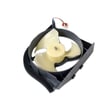
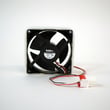
- Refrigerator condenser fan motor assembly DA97-15765C (moves air across the condenser)
Why it matters
A freezer that is even slightly warm can trigger rapid frost build-up and poor airflow, which quickly turns into “not freezing” and can lead to food spoilage. Fixing airflow and sealing first prevents unnecessary part replacement.
Last updated: January 2026
Why is the bottom of my Samsung fridge freezing?
In a Samsung RF30KMEDBSG refrigerator, freezing at the bottom of the fresh food section usually happens when cold airflow is restricted or the temperature setting is too low, which can over-cool items near the lower vents and drawers. Start by clearing vents and confirming your temperature settings in the RF30KMEDBSG owner's manual.
Quick checks that fix most “bottom freezing” issues
- Move food packages away from interior air vents so air can circulate.
- Avoid packing the lower shelves and drawers too tightly.
- Set the fridge temperature slightly warmer and monitor for 24 hours.
- Make sure doors close fully and are not held open by bins or containers.
- Reduce moisture sources (uncovered liquids, frequent door openings) that can lead to frost and airflow problems.
What to inspect if it keeps happening
Restricted airflow is the most common cause. If airflow is blocked long enough, the refrigerator can over-cool.
- Air vents and return vents: Clear any bags, boxes, or containers blocking vents.
- Drawer area airflow: Reorganize so cold air is not trapped at the bottom.
- Temperature sensing: A drifting sensor can misread temperature and drive extra cooling; for this model, a common suspect is a refrigerator temperature sensor DA32-10104N.
- Damper control (airflow door): If the damper sticks open, too much cold air can dump into the fresh food section; a related part for this model is the refrigerator air damper assembly DA97-08430A.
Symptoms guide
| What you notice | Most likely cause | What we recommend first |
|---|---|---|
| Produce freezes in crisper or bottom shelf | Airflow aimed at lower area or blocked vents | Clear vents, space food, raise temp slightly |
| Random items freeze throughout fridge | Temperature set too cold or sensor issue | Raise temp, then check sensor if it returns |
| Frost buildup and uneven temps | Air circulation problem | Improve spacing, check for vent blockage |
Why it matters
When the bottom area freezes, food quality suffers and the refrigerator can run longer than necessary. Restoring proper airflow and correct temperature control helps stabilize fresh food temperatures and prevents repeat freezing.
Last updated: January 2026