Owner’s manual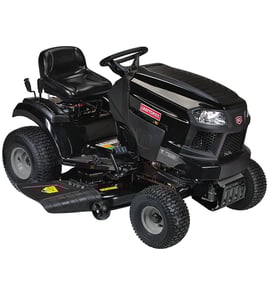

Is the Cub Cadet engine a good engine?
Yes. On the Cub Cadet LT1050 riding mower, the engine is designed for dependable residential mowing when it’s maintained correctly (clean air flow, proper blade and deck condition, and safe operating practices). Most “engine problems” we see are actually maintenance, fuel, or safety-interlock related.
What “good” means for the LT1050
A good engine is one that starts consistently, runs smoothly under load, and stays protected by the tractor’s safety systems. Your LT1050 is built with operator safety and serviceability in mind; for example, the safety interlock system prevents starting unless the parking brake is engaged and the PTO is OFF. See the owner's manual for the exact operating rules and safety checks.
Signs your engine is in good shape
- Starts without extended cranking (with PTO OFF and parking brake set)
- Idles smoothly and accelerates without surging
- Holds RPM when the deck is engaged and grass is heavy
- No excessive smoke, fuel smell, or backfiring
- No unusual vibration (also check blade and engine mounting bolts)
Quick checks before judging the engine
Many LT1050 “engine” complaints trace back to basics.
| Symptom | Common cause | What to check first |
|---|---|---|
| No crank | Safety interlock not satisfied | Parking brake engaged; PTO OFF; operator in seat |
| Cranks, no start | Fuel or ignition issue | Fresh fuel; spark plug wire seated; choke/throttle position |
| Starts then dies | Seat switch or PTO interlock | Stay seated; verify PTO behavior; inspect wiring/connectors |
| Runs rough under load | Deck/blade drag or tune-up need | Blade condition; deck buildup; air filter; plug |
Why it matters
A well-running engine protects the rest of the tractor. When blades are dull, deck components are loose, or safety switches are bypassed, the engine works harder, performance drops, and wear increases. The manual also calls out routine safety and maintenance habits like checking fasteners and confirming blades stop quickly after disengagement.
Last updated: February 2026
What is the life expectancy of a Cub Cadet?
A Cub Cadet riding mower like the Cub Cadet LT1050 typically lasts 500 to 1,000 engine hours with normal residential use and consistent maintenance. In real-world terms, that is often 10 to 15 mowing seasons for many homeowners, depending on mowing time, terrain, and storage.
What most affects mower life
- Maintenance frequency (oil changes, air filter, fuel filter, blade sharpening)
- Operating conditions (dust, hills, wet grass, heavy towing)
- Storage (kept dry, protected from sun and moisture)
- Deck care (cleaning buildup to prevent rust and belt strain)
- Battery and charging health (reduces starting and electrical stress)
Hour-based expectations (practical guide)
| Usage pattern | Typical hours per season | Typical lifespan in seasons (at 500 to 1,000 hours) |
|---|---|---|
| Small yard, light mowing | 25 to 50 | 10 to 20 |
| Average yard | 50 to 80 | 6 to 15 |
| Large yard or frequent towing | 80 to 120 | 4 to 12 |
Maintenance that extends life the most
We recommend following the service intervals in your LT1050 owner's manual. These items usually deliver the biggest payoff in longevity:
- Change engine oil and replace the oil filter on schedule
- Keep the air filter clean; replace it when dirty or damaged
- Use fresh fuel and stabilize fuel before storage
- Keep blades sharp and balanced to reduce spindle and belt wear
- Check tire pressure and keep the deck level to prevent overloading
Why it matters
Riding mower lifespan is driven more by engine hours and upkeep than by calendar age. Tracking hours and doing routine service helps prevent expensive failures in the PTO system, belts, steering, and the front axle.
Last updated: February 2026
When was the Cub Cadet LT1050 made?
The Cub Cadet LT1050 riding lawn tractor was produced in the mid-2000s; most LT1050 units you’ll see in the field date from roughly 2005 through 2008. For the most accurate build timeframe for your exact tractor, match the model and serial number on the model plate using the owner's manual.
How to confirm the build timeframe on your exact LT1050
Cub Cadet used the model plate information (model number and serial number) to identify the specific production run.
- Lift the seat and look underneath for the model plate
- Write down the model number (LT1050) and the serial number
- Keep that information with your maintenance records
- Use the serial number when ordering parts to avoid mismatches
Where to find the model plate (LT1050)
On this tractor, the model plate is typically located on the underside of the seat.
| What to record | Why it matters |
|---|---|
| Model number (LT1050) | Confirms the tractor series and configuration |
| Serial number | Identifies the specific production run and parts variations |
| Engine model/spec (if listed) | Helps match tune-up and engine service parts |
Why it matters
Cub Cadet LT1050 tractors can have parts variations across production runs (for example, belts, PTO clutch hardware, and electrical components). Confirming your serial number first helps us point you to the correct diagrams and replacement parts for your exact mower.
Last updated: February 2026