Owner’s manual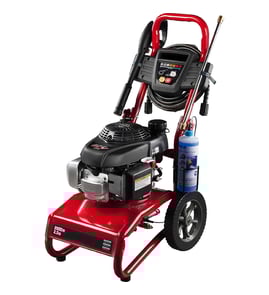





What kind of gas goes in a Craftsman 3000 PSI pressure washer?
For the Craftsman 580763000 3000 PSI gas pressure washer, we recommend using clean, fresh unleaded gasoline (regular) with a minimum 87 octane (87 AKI). Avoid old fuel and do not mix oil into the gasoline; the engine uses separate crankcase oil.
Fuel guidelines we recommend
- Use fresh unleaded gasoline (87 AKI minimum).
- Use fuel from a clean container; keep dirt and water out of the tank.
- Do not use gasoline that has been sitting for months.
- Do not overfill; leave room for expansion.
- Wipe up spills before starting the engine.
Quick compatibility table
| Fuel type | Use it? | Why |
|---|---|---|
| Unleaded gasoline, 87 AKI (regular) | Yes | Correct octane for reliable starting and running |
| Premium gasoline (higher octane) | Yes | Acceptable, but usually not necessary |
| E85 or high-ethanol fuel | No | Can cause hard starting and fuel-system issues |
| Mixed gas (2-cycle fuel) | No | Wrong for this 4-cycle engine |
| Old/stale gasoline | No | Causes surging, stalling, and carburetor varnish |
If it runs rough after refueling
These checks fix most “surging” or “won’t stay running” complaints on gas pressure washers:
- Drain old fuel and refill with fresh unleaded gasoline.
- Confirm the Run/Stop switch is set to Run.
- Check the air intake area and air cleaner cover for blockage.
- If the engine starts then dies, the carburetor may need cleaning.
- If the engine shuts off unexpectedly, check the low-oil condition (many units use a low-oil shutdown system).
Why it matters
Correct fuel helps the engine start easily, prevents carburetor deposits, and reduces stalling under load when you squeeze the spray gun trigger.
For model-specific operating and fueling details, follow the 580763000 owner's manual.
Last updated: January 2026
What is a good PSI for a gas pressure washer?
A good PSI for a gas pressure washer depends on the job, but for typical home cleaning we recommend about 2,000 to 3,000 PSI. Your Craftsman 580763000 is rated at 3000 PSI, which is a strong all-around level for driveways, siding, and decks when used with the right nozzle and technique (see the 580763000 owner's manual).
Recommended PSI by common tasks
Use PSI as a guide, then choose the correct spray tip and keep a safe distance from the surface.
- 1,300 to 2,000 PSI: cars, patio furniture, grills, delicate painted surfaces
- 2,000 to 2,800 PSI: decks, fences, most home exterior cleaning
- 2,800 to 3,500 PSI: concrete, brick, heavy mildew, tough ground-in dirt
- 3,500+ PSI: frequent heavy-duty use (often better suited to pro-grade work)
How your Craftsman 580763000 fits in
The manual lists these key specs for this model:
| Spec | What it means for you |
|---|---|
| 3000 PSI | Strong cleaning force for concrete and exterior surfaces |
| 2.6 GPM | Good rinsing power; helps wash away loosened dirt |
| Max water supply temp 140°F | Hotter water can damage the pump and seals |
Quick tips to get the “right PSI” in real use
Even with a 3000 PSI machine, your actual cleaning pressure at the surface changes with setup.
- Start with a wider spray pattern and increase only as needed
- Keep the nozzle moving to avoid etching wood or stripping paint
- Increase distance for softer materials (wood, vinyl, window trim)
- Never exceed the pressure rating of the hose and gun; replace worn hoses promptly
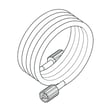
- If you see leaks or pulsing pressure, inspect the high-pressure hose and pump seals (for example, the hose-2400psi 84006753 and piston seal 93680GS)
Why it matters
Choosing the right PSI helps you clean faster while preventing surface damage and reducing wear on the pump, hose, and seals. Using more pressure than needed is one of the most common causes of gouged wood, chipped paint, and premature leaks.
Last updated: January 2026
Is it worth repairing a pressure washer?
Yes, repairing a pressure washer is usually worth it when the fix is a normal wear item (hose, seals, valves) and the engine and pump are still in good shape. For Craftsman model 580763000, we recommend comparing the repair total to replacement cost and prioritizing safety-critical parts.
Quick decision checklist
- If the repair estimate is under about half the cost of a comparable new unit, repair is typically the better value.
- If the pump ran without water, internal pump damage is common and repairs can add up quickly.
- If the engine has low compression, heavy smoke, or hard starting even after tune-up items, replacement is often smarter.
- If the issue is a leaking or damaged high-pressure hose, replace it immediately (do not patch it).
- If the washer is used commercially, factor in downtime and heavier wear.
Safety and reliability items we repair first
The 580763000 owner guidance is clear that a worn high-pressure hose can leak and should be replaced rather than repaired. Use the 580763000 owner's manual to follow the inspection steps and maintenance schedule.
Common repairable items include:
- High-pressure hose, couplers, and O-rings
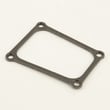
- Pump seals and gaskets
- Unloader valve issues (pressure surging, poor regulation)
- Clogged nozzle or inlet screen (often causes pulsing)
Cost-to-value guide
| Situation | Typical recommendation | Why |
|---|---|---|
| Hose leak, abrasion, or bulge | Repair is worth it | Fast fix; restores safe operation |
| Pulsing spray from a partially clogged nozzle | Repair is worth it | Often cleaning, not a pump failure |
| Repeated pump seal leaks | Usually worth it | Seals are wear items |
| Major engine or pump failure | Often replace | Parts and labor can exceed unit value |
Parts that commonly solve “not worth it” symptoms
If you find hose damage during inspection, replacing the hose is the correct fix. A model-matched option is the hose-2400psi 84006753.
Why it matters
A pressure washer can look “repairable,” but safety items (especially the high-pressure hose) are non-negotiable. Fixing the right wear parts early prevents pump damage and reduces the chance of injury.
Last updated: January 2026