Error Codes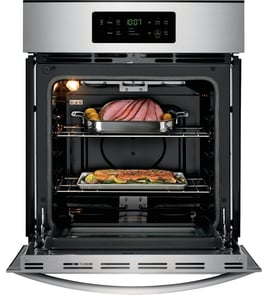




Are Maytag wall ovens good?
Yes. Maytag wall ovens are a solid choice for most kitchens because they are built for everyday cooking performance and long-term use; when they are installed correctly and maintained, they typically deliver consistent baking, broiling, and convection results like you expect from a mid-to-premium brand.
A “good” Maytag wall oven usually comes down to three things: temperature control, even heat circulation, and durable components that hold up to high-heat cycles.
- Even cooking: bake and convection modes should brown and cook consistently across racks.
- Reliable broiling: strong top heat for finishing and searing.
- Stable temperature: fewer hot/cold swings once preheated.
- Durability: hinges, door glass, and controls should feel sturdy.
- Serviceability: common wear parts are replaceable when needed.
For the Maytag MEW9530FZ02 electric built-in oven, performance and reliability depend heavily on a few key systems. If any of these start failing, the oven can seem “not as good” even though the design is sound.
| Symptom | Most common system involved | Example part for this model |
|---|---|---|
| Oven not heating or heats slowly | Bake circuit | Range bake element W11545804 |
| Weak or uneven broil | Broil circuit | Range broil element WPW10260252 |
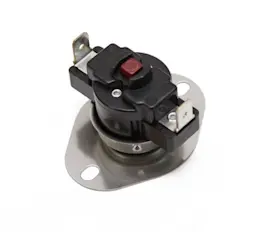
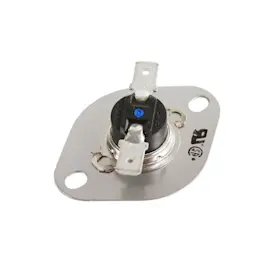
| Overheats, shuts off, or trips protection | High-limit safety | Oven safety thermostat WPW10545255 |
| Door won’t close tightly or heat leaks | Door hardware | Wall oven door hinge W10825778 |
Wall ovens run at high temperatures for long periods; when heating elements, thermostats, or door components wear, you can get uneven baking, longer cook times, or nuisance shutoffs. Keeping those core parts in good shape protects cooking results and helps the oven operate normally.
- Preheat fully before baking (especially for multi-rack cooking).
- Avoid slamming the door; it stresses hinges and door alignment.
- Keep the oven cavity reasonably clean to reduce smoke and heat stress.
- If temps seem off, check for a failing element before assuming a control problem.
- For electrical testing, use a meter and follow safe practices; how to use a multimeter to test electrical parts video.
Last updated: February 2026
What is the average life of an electric wall oven?
Most electric wall ovens average about 16 years of service life with normal use and basic maintenance; a well-cared-for Maytag MEW9530FZ02 can often run 10 to 20 years depending on cooking frequency, heat levels, and how quickly worn parts are replaced.
- Average: ~16 years
- Common range: 10 to 20 years
- Heavy use (daily high-heat cooking): tends to shorten life
- Light to moderate use: tends to extend life
| Usage pattern | What to expect | What helps most |
|---|---|---|
| Light (few times/week) | Often closer to the high end | Keep vents clear, avoid slamming door |
| Moderate (most days) | Around the average | Replace failing heating parts early |
| Heavy (multiple cycles/day) | Often below average | Prompt electrical and temperature checks |
These are the most common issues that drive repairs on built-in electric ovens:
- Heating problems from a weak or broken bake element (see range bake element W11545804)
- Broil not heating evenly from a failing broil element (see range broil element WPW10260252)
- Overheating or nuisance shutoffs tied to a thermostat issue (see oven safety thermostat WPW10545255 or range high-limit thermostat WP4449751)
- Temperature swings or dead display from an electronic control failure (see control W10841692)
- Door not sealing or closing correctly from worn hinges (see wall oven door hinge W10825778)
- Keep the door gasket area clean so the door seals tightly.
- Avoid using foil on the oven bottom; it can trap heat and stress components.
- Use self-clean sparingly; extreme heat can shorten the life of electronics and thermostats.
- If preheat times suddenly get longer, test and replace the heating element before it damages other parts.
- Make sure the oven vent is not blocked by cookware, trim, or cabinetry.
When an oven is near the 10 to 20 year mark, small symptoms (slow preheat, uneven baking, random shutoffs) often point to a single failing part. Replacing that part early can prevent heat damage to wiring, sensors, and the control board.
Last updated: February 2026
How to reset Maytag wall oven?
To reset your Maytag MEW9530FZ02 wall oven, we recommend doing a full power reset first (turn the breaker OFF, wait 1 minute, then turn it back ON). If the control is stuck in a timed setting, clear the active cycle and cancel it from the keypad.
- Breaker reset (best overall reset): Switch the oven circuit breaker OFF for 60 seconds, then ON.
- Cancel the current cycle: Press Cancel/Off once; wait a few seconds to see if the display returns to the clock.
- Clear a delayed start or cook time: If a delay or timed bake is set, press Delay Start (or Cook Time) until the time clears, then press Cancel/Off.
- If an error code returns immediately: The oven is detecting a fault again after reset; move to the checks below.
Before replacing parts, we focus on the most common causes that keep a wall oven “locked up” after a reset.
- Confirm the oven has full power (a wall oven typically needs 240V; a tripped breaker can leave partial power).
- If the oven overheated recently, let it cool completely; a safety device can keep heating disabled until temps drop.
- If the display is on but keys do not respond, the control may be failing.
- If the oven heats poorly or not at all after reset, test the heating elements.
| Symptom after reset | Most likely area | Example part for MEW9530FZ02 |
|---|---|---|
| Dead display, intermittent power | Power supply, wiring | (Inspect wiring connections) |
| Error returns after cooling | Overheat protection | Oven safety thermostat WPW10545255 |
| No bake heat | Bake circuit | Range bake element W11545804 |
| No broil heat | Broil circuit | Range broil element WPW10260252 |
| Random beeping, unresponsive keys | Electronic control | Control W10841692 |
A proper reset helps you separate a one-time control glitch from a repeatable failure (like an overheat trip, a failed element, or a control board problem). That saves time and prevents replacing the wrong part.
Last updated: February 2026