Installation guide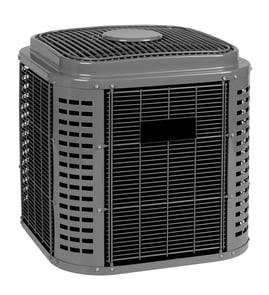




What is the life expectancy of a Goodman AC unit?
A Goodman central air conditioner like model GSC130241AE typically lasts 15 years. With correct installation, proper airflow clearances, and routine maintenance (especially keeping the coil and electrical components in good shape), many units reach 20 years.
Typical lifespan ranges
Most central AC outdoor units fall into these real-world ranges:
- 12 to 15 years: common with average maintenance
- 15 to 20 years: common with consistent maintenance and correct setup
- 20+ years: achievable when the system is well-matched, kept clean, and serviced regularly
What shortens (or extends) the life of the outdoor unit
These factors have the biggest impact on compressor and fan-motor wear:
- Installation quality: correct refrigerant piping practices and oil management matter
- Airflow clearance: restricted airflow makes the unit run hotter and longer
- Electrical health: weak run capacitors and loose wiring stress motors
- Moisture and contamination control: keeping the sealed system clean and dry protects the compressor
- Foundation and vibration: a solid, level base reduces noise and mechanical strain
Maintenance checklist we recommend
Use this as a simple annual plan:
- Keep vegetation and debris cleared around the condenser (maintain required clearances)
- Rinse the outdoor coil gently when dirty (power off first)
- Replace or clean the indoor air filter on schedule
- Have a technician check refrigerant charge, amp draw, and contactor condition
- Inspect electrical connections; test the run capacitor if the fan or compressor struggles to start
Quick reference: what to expect by age
| Unit age | What we commonly see | What to do |
|---|---|---|
| 0 to 5 years | Mostly minor adjustments | Keep coils clean; maintain clearances |
| 6 to 12 years | Wear parts begin to show | Check capacitor, wiring, fan motor health |
| 13 to 20 years | Efficiency drop, higher repair frequency | Compare repair cost vs. replacement planning |
Why it matters
Life expectancy is mostly about protecting the compressor and keeping heat transfer efficient. The installation guidance for clearances, foundation, and refrigerant line practices in the installation guide helps prevent the conditions that shorten service life.
If you are ordering common wear items for this model, we stock parts like the capacitor 12972; you can also search by model number on Sears PartsDirect.
Last updated: February 2026
Can I replace AC spare parts myself?
Yes, you can replace some parts on a Goodman GSC130241AE outdoor central air conditioner yourself (mainly simple mechanical or electrical items), but any work involving refrigerant handling, brazing, or system matching should be left to a qualified HVAC technician and done to code. Use the installation guide to follow required clearances and connection practices.
What you can usually do yourself (DIY-friendly)
These tasks are typically straightforward if you shut off power at the disconnect and verify it is off:
- Replace a worn rubber isolator such as a grommet B1339530 if it is cracked or missing
- Replace a failed run capacitor such as a capacitor 12972 (match ratings exactly)
- Tighten obvious loose fasteners and mounting hardware (panels, brackets)
- Clear debris around the condenser and restore airflow (leaves, grass clippings)
- Inspect for damaged wires and replace only like-for-like connectors (no rewiring changes)
What we recommend leaving to a pro
The GSC130241AE installation information calls out code compliance and EPA refrigerant regulations; those areas are not DIY projects.
- Recovering, adding, or disposing of refrigerant
- Brazing refrigerant line connections (risk of overheating valves and components)
- Replacing the condensing unit or air handler and ensuring the system is manufacturer-approved and ARI matched
- Correcting oil return issues (oil traps based on vertical line-set height differences)
- Diagnosing compressor, expansion valve, or sealed-system restrictions
Quick decision guide
| Job type | DIY risk level | Typical tools needed |
|---|---|---|
| Replace capacitor | Medium | Multimeter, insulated tools |
| Replace grommet | Low | Hand tools |
| Refrigerant work | High | EPA-certified equipment |
| Brazing line-set | High | Torch, nitrogen purge setup |
Why it matters
On a central AC outdoor unit, mistakes can cause electrical shock, damaged components, poor cooling, or code violations. Following the documented installation practices (clearances, line protection, and proper connections) helps protect performance and reliability.
Getting the right replacement part
We recommend matching by model number (GSC130241AE) and the exact part ID. You can order the parts listed for this model, or search by model on Sears PartsDirect.
Last updated: February 2026
What is the most expensive part to replace on an AC unit?
On a central AC outdoor unit like the Goodman GSC130241AE, the compressor is typically the most expensive single component to replace because it is the sealed, high-labor “heart” of the refrigerant system. In many cases, a major coil repair can also be among the highest-cost jobs.
What usually costs the most (and why)
The biggest costs come from a mix of part price, labor time, and refrigerant-system work (recovery, evacuation, leak testing, and recharge).
- Compressor: highest part cost and high labor; often requires opening the sealed system
- Condenser coil: expensive part and labor; may involve brazing and leak checks
- Evaporator coil (indoor): can be similarly costly because it is also part of the sealed system
- Refrigerant leak repairs: cost varies widely depending on leak location and accessibility
- Electrical failures: usually cheaper than sealed-system repairs, but can still add up
Typical cost ranking (most to least expensive)
| Repair type | Typical relative cost | Why it gets expensive |
|---|---|---|
| Compressor replacement | Highest | Sealed-system labor plus major component |
| Coil replacement (condenser or evaporator) | High | Brazing, leak testing, recharge |
| Leak repair and recharge | Medium to high | Time to find leak plus refrigerant work |
| Electrical parts (capacitor, contactor, wiring) | Low to medium | Faster diagnosis and replacement |
What you can check first on the GSC130241AE (lower-cost items)
If the unit will not start, trips a breaker, or hums but will not run, we typically rule out common electrical parts before assuming a compressor failure.
- Confirm the thermostat is calling for cooling and the disconnect is on
- Inspect for burned, loose, or damaged wiring (power off)
- Test the run capacitor; a weak capacitor can prevent the compressor and fan from starting
- Check for airflow blockage around the outdoor unit (clearances matter)
- If you are replacing refrigerant-side components, follow the safety and leak-testing steps in the installation guide
If you need a common electrical replacement part for this model, the capacitor 12972 is one of the parts we list for the GSC130241AE.
Why it matters
Misdiagnosing a compressor can lead to unnecessary expense. Many “dead” outdoor units are caused by a failed capacitor, wiring issue, or control problem, which are typically far less expensive than sealed-system repairs.
If you are ordering parts, start with the parts list for model GSC130241AE on this page; you can also search by model number on Sears PartsDirect.
Last updated: February 2026
What is the most common part to fail on an AC unit?
On most central AC outdoor units (including Goodman model GSC130241AE), the most common failure is the run capacitor because it handles frequent starts and heat stress for the compressor and condenser fan motor. A weak capacitor often causes humming, hard starting, or a unit that will not run.
What you will usually notice when the capacitor is failing
- Outdoor unit hums but the fan or compressor does not start
- Fan starts slowly, runs intermittently, or stops unexpectedly
- Breaker trips during startup (especially on hot days)
- AC runs but struggles to cool, with longer cycles
- Top of the capacitor looks swollen or leaking (power off inspection only)
What to check first (safe, high-impact steps)
Disconnect ALL power before servicing; multiple power sources may be present. Use the disconnect near the unit and turn off the breaker.
- Confirm the thermostat is calling for cooling
- Check the outdoor disconnect and breaker
- Look for obvious loose or burned wires in the control compartment
- If you have a meter, test the capacitor and verify it matches the required microfarad rating
- If wiring is damaged, repair it correctly before replacing parts
A good next reference for wiring and service safety is the installation guide.
Common “most-failed” parts: quick comparison
| Part | What it does | Typical failure symptom | DIY difficulty |
|---|---|---|---|
| Run capacitor | Helps start and run motors | Humming, no start, weak start | Medium (electrical testing required) |
| Contactor (relay) | Sends power to compressor/fan | Clicking, no power to unit | Medium |
| Condenser fan motor | Moves air through coil | Overheating, shutdown, poor cooling | Medium to hard |
| Compressor | Pumps refrigerant | Loud noise, no cooling, trips breaker | Hard (pro service) |
Model-specific parts we stock for this unit
For Goodman GSC130241AE, we list a run capacitor as capacitor 12972. We also list items like piston kit B1789859 and grommet B1339530, which are commonly replaced during refrigerant-side service or vibration/noise fixes.
Why it matters
A weak capacitor can prevent the compressor and fan from starting correctly; that raises heat and electrical stress, which can lead to bigger failures. Replacing the right electrical part early helps protect the outdoor unit and restore normal cooling.
If you are ordering parts, use the parts list for model GSC130241AE, or search by model on Sears PartsDirect.
Last updated: February 2026