
How many sq ft will a 3 ton AC unit cool?
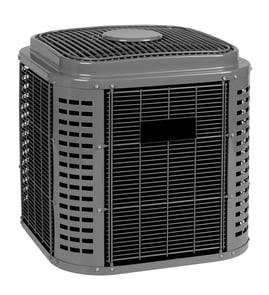
A 3-ton central AC (about 36,000 BTU/hr) typically cools about 1,500 to 2,000 sq ft in an average U.S. home. For a Nordyne central air conditioner like model S3QA042KA, the right coverage depends most on your climate zone, insulation, windows, ceiling height, and ductwork condition.
Typical coverage ranges (quick guide)
Use these as practical planning numbers, not a final sizing decision:
- Hot climates / lots of sun / older insulation: ~1,200 to 1,600 sq ft
- Average conditions: ~1,500 to 2,000 sq ft
- Mild climates / excellent insulation / tight home: ~1,800 to 2,200 sq ft
Rule-of-thumb table
| Home conditions | Approx. sq ft a 3-ton AC can cool | What you may notice if mismatched |
|---|---|---|
| Hot climate, leaky/older home | 1,200 to 1,600 | Long run times, still warm afternoons |
| Typical insulation and windows | 1,500 to 2,000 | Steady comfort, normal cycling |
| Very efficient home | 1,800 to 2,200 | Short cycles if oversized |
What changes the square footage the most
These factors can swing sizing by hundreds of square feet:
- Ceiling height: tall ceilings increase the air volume you must cool
- Insulation and air leaks: attic insulation and sealing matter more than most people expect
- Window area and sun exposure: large west-facing glass adds major heat load
- Ductwork: leaks, crushed flex duct, or poor returns reduce delivered cooling
- Humidity load: high humidity requires more capacity for comfort
Why it matters (oversized vs. undersized)
Correct sizing protects comfort and equipment life. An undersized system runs constantly and struggles on peak days; an oversized system short-cycles, removes less humidity, and can feel clammy even when the thermostat reads “cool.”
What we recommend for accurate sizing
For a final answer, we size by heat load (Manual J style), not just square footage:
- Confirm the exact model number and match it to the correct parts list
- Note your zip code/climate, insulation level, and window count
- Check duct basics: filter condition, supply airflow, and obvious duct leaks
- If you’re troubleshooting electrical issues during checks, use how to use a multimeter to test electrical parts video
Last updated: February 2026
How much should a central air conditioning unit cost?
A central air conditioning unit typically costs about $3,000 to $15,000+ installed, depending on size (tonnage), efficiency (SEER2 rating), your home’s ductwork condition, and labor rates. For a Nordyne S3QA042KA system, the installed price is driven more by sizing and installation scope than the brand name alone.
What drives the price most
- System size (tons/BTU): Larger homes need larger capacity, which raises equipment and labor cost.
- Efficiency (SEER2): Higher SEER2 units cost more up front but can reduce operating cost.
- Ductwork condition: Leaky, undersized, or damaged ducts add significant labor and materials.
- Electrical and pad work: Disconnect, whip, breaker sizing, and condenser pad upgrades can add cost.
- Refrigerant line set and coil compatibility: Reusing an old line set or mismatched indoor coil can increase labor and parts.
Typical installed cost ranges (what most homeowners see)
| Scenario | What’s usually included | Typical installed range |
|---|---|---|
| Basic replacement | Outdoor unit plus matching indoor coil, minimal changes | $3,000 to $7,000 |
| Mid-range upgrade | Higher efficiency, some electrical or duct fixes | $7,000 to $12,000 |
| Complex install | Major ductwork changes, difficult access, upgrades | $12,000 to $15,000+ |
Quick ways to keep quotes apples-to-apples
- Confirm the exact equipment match (outdoor unit plus indoor coil).
- Ask whether duct sealing/repairs are included or excluded.
- Verify permits and startup testing (refrigerant charge, static pressure, temperature split).
- Make sure the quote lists warranty terms and what labor coverage is included.
- Compare SEER2 rating and any included accessories (surge protector, float switch, new thermostat).
Why it matters
A low quote can look attractive but often excludes ductwork, electrical upgrades, or proper commissioning. Those items directly affect comfort, humidity control, and compressor life, especially on a central air conditioner like the Nordyne S3QA042KA.
For help confirming you have the right model number before pricing parts or service, use how to find your appliance model number (and what it means for parts).
Last updated: February 2026
What is the average lifespan of a central air conditioning unit?
Most central air conditioning units last 15 to 20 years with normal use and regular maintenance; for a Nordyne S3QA042KA system, that same 15 to 20-year lifespan is the typical expectation.
Typical lifespan by situation
| Situation | Typical lifespan | What usually shortens it |
|---|---|---|
| Well-maintained system | 15 to 20 years | Dirty coils, poor airflow, electrical wear |
| Minimal maintenance | 10 to 15 years | Overheating, compressor strain |
| Harsh conditions (coastal, heavy runtime) | 8 to 15 years | Corrosion, long run cycles |
What helps your central AC reach 15 to 20 years
- Replace or clean the air filter on schedule (restricted airflow is a top system killer).
- Keep the outdoor condenser coil clear of leaves, grass, and lint.
- Maintain 2 feet of clearance around the outdoor unit for proper heat rejection.
- Confirm the indoor blower is moving strong airflow through the ductwork.
- Tighten and inspect electrical connections during seasonal service.
- Keep supply and return vents open and unblocked.
Signs you are near end-of-life
- The system runs longer but cools less (loss of capacity).
- Frequent breaker trips or hard-start symptoms.
- Unusual noises from the outdoor unit (grinding, loud buzzing, repeated clicking).
- Rising energy bills with no change in thermostat settings.
- Repeated refrigerant leaks or major sealed-system repairs.
Why it matters
A central air conditioner that is past its typical lifespan often costs more to operate and becomes less reliable during peak cooling season. Planning ahead helps you decide whether a repair makes sense or whether it is time to budget for replacement.
For safe DIY electrical checks (like verifying power at the disconnect or checking a fuse), use our guide: how to use a multimeter to test electrical parts video.
Last updated: February 2026
What is the most expensive part to replace on an AC unit?
On a Nordyne central air conditioner like model S3QA042KA, the compressor is typically the most expensive single part to replace because it is the sealed, high-load component that drives refrigerant circulation; when it fails, labor and refrigerant-handling steps also add significant cost.
What usually makes the compressor the priciest repair
- It is a sealed mechanical and electrical assembly (not a simple bolt-on part)
- Replacement often requires refrigerant recovery, evacuation, and recharge
- A compressor failure can contaminate the system (acid, debris), increasing cleanup work
- Access and brazing work can add time compared to electrical-only parts
- If the unit is older, compressor replacement can approach the value of the equipment
Other high-cost AC parts (and how they compare)
| Part | Typical cost impact | Why it gets expensive |
|---|---|---|
| Compressor | Highest | Major sealed component plus refrigerant labor |
| Condenser coil | High | Large coil, refrigerant work, potential cabinet disassembly |
| Outdoor fan motor | Medium to high | Motor cost plus time to diagnose and swap |
| Control board (if equipped) | Medium to high | Electronics can be pricey and model-specific |
| Contactor / capacitor | Low to medium | Common wear parts, usually quick to replace |
Quick checks before assuming the compressor is bad
We see many “dead compressor” calls that end up being a simpler electrical issue. Check these first:
- Thermostat is calling for cooling and set below room temperature
- Outdoor disconnect and breaker are on (no tripped breaker)
- Contactor pulls in when cooling starts
- Capacitor is within spec (weak capacitors can prevent starting)
- Wiring connections are tight and not heat-damaged
For safe electrical testing basics, use our guides: how to tell if a fuse is blown and how to use a multimeter to test electrical parts video.
Why it matters
Knowing the compressor is usually the top-cost repair helps you prioritize diagnosis: confirm power, controls, and start components first so you do not replace a major part when a capacitor, contactor, or wiring issue is the real cause.
Last updated: February 2026