 Owner’s manual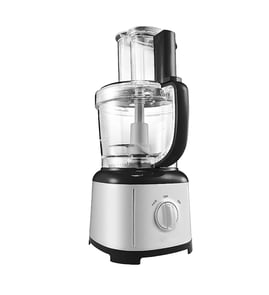

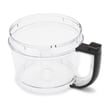
Is the KitchenAid food processor any good?
Yes. The KitchenAid KFPW760OB3 12-cup food processor is a solid choice for everyday chopping, slicing, and shredding when you want consistent results and dependable performance. For the best experience, use the correct assembly and follow the operating and safety steps in the KFPW760OB3 owner's manual.
What “good” looks like for this model
A good food processor should run smoothly, process evenly, and stay reliable over time. With the KFPW760OB3, we typically see customers happiest when they focus on correct setup and avoiding overload.
- Produces consistent chops and slices when the bowl and lid are fully locked
- Handles common prep tasks (vegetables, cheese, doughs) without constant stopping
- Built-in safety interlocks help prevent operation unless assembled correctly
- Motor protection can shut the unit off if it overheats (cool-down restores operation)
Quick performance checklist (before you judge it)
If results are uneven or the unit seems weak, these basics usually fix it:
- Cut food into similar-size pieces before processing
- Do not overfill the work bowl; process in batches for large loads
- Use steady, moderate pressure on the food pusher (do not force it)
- If it shuts off mid-run, press Off and let it cool for 15 minutes, then try again
- If it will not power on, check the outlet and the home fuse or circuit breaker
Common symptoms and what they usually mean
| Symptom | Most common cause | What to do |
|---|---|---|
| Won’t start | Bowl/lid not fully engaged, no power | Re-seat bowl and lid; verify outlet and breaker |
| Shuts off while running | Motor overheated | Cool down 15 minutes; reduce load |
| Pusher sticks | Food lodged in interlock area | Soak cover in warm water or wash in dishwasher |
Why it matters
Food processors are very sensitive to assembly and load size. When the interlock system is clean and the bowl is properly seated, you get better cutting consistency and fewer shutdowns, which makes the KFPW760OB3 feel much more “powerful” in real use.
Last updated: January 2026
What should you not put in a food processor?
For the KitchenAid KFPW760OB3 12-cup food processor, avoid items that can overload the motor, damage the bowl or blades, or create a safety hazard. In particular, keep hands and utensils away from moving blades, and only use a scraper when the machine is off (see the KFPW760OB3 owner's manual).
Foods and materials to avoid
- Hot liquids or very hot foods: heat and steam can create a burn risk and can also force liquid up through the lid.
- Large, very hard items (bones, hard pits, large chunks of rock-hard food): can chip blades and stress the drive system.
- Fully frozen blocks of food (solid frozen meat, large ice chunks): can stall the blade and overheat the motor.
- Excessive liquid (trying to make smoothies or soups): food processors are designed for chopping and mixing, not high-volume blending.
- Very tough grinding jobs (large amounts of whole spices, hard coffee beans): can dull the multipurpose blade quickly.
Safety rules that matter on this model
The KFPW760OB3 has interlocks and sharp cutting components, so safe loading and tool use is important.
- Unplug before installing or removing parts and before cleaning.
- Never put hands near moving blades or discs.
- Use the food pusher; do not feed food by hand.
- Only use a scraper when the processor is not running.
- Make sure the bowl and cover are locked before operating.
Quick guide: use this tool instead
| If you need to... | Better tool than a food processor | Why |
|---|---|---|
| Blend lots of liquid | Blender | Handles high liquid volume and vortexing |
| Crush ice | Ice crusher or high-power blender | Reduces motor stall risk |
| Grind hard spices/beans | Spice grinder | Designed for fine, dry grinding |
| Chop hot soup | Immersion blender | Safer for hot liquids |
Why it matters
Avoiding overloads and unsafe items helps prevent motor overheating shutoffs, reduces blade dulling, and protects the bowl and lid interlock system. It also lowers the risk of cuts since the blades are extremely sharp.
Last updated: January 2026
Is 1000 watts good for a food processor?
Yes. For a 12-cup food processor like the KitchenAid KFPW760OB3, 1000 watts is considered strong power for most home tasks (chopping, shredding, slicing, mixing dough). Wattage is only one factor; bowl size, blade design, and using the food pusher correctly matter just as much.
What 1000 watts handles well
- Shredding firm cheese and vegetables with a shredding disc
- Slicing potatoes, onions, and cucumbers with a slicing disc
- Chopping nuts, herbs, and cooked meats with the multipurpose blade
- Mixing heavier doughs in short bursts (use Pulse for control)
- Processing thicker mixtures without frequent stalling
What matters more than watts (real-world performance)
Even with high wattage, technique and setup affect results and safety.
| Factor | What to look for | Why it matters |
|---|---|---|
| Feed tube and pusher use | Always use the pusher | Helps prevent jams and keeps hands away from blades |
| Pulse control | Short, controlled bursts | Better texture control and less overheating |
| Batch size | Do not overfill; keep liquids below max line | Prevents leaks, poor mixing, and strain |
| Sharp, correct attachments | Use the right blade/disc for the job | Reduces motor load and improves cut quality |
Tips for getting the most from a high-watt processor
- Cut dense foods (carrots, hard cheese) into smaller chunks before feeding.
- Use Pulse for tough starts, then switch to continuous processing.
- If the unit bogs down, stop and redistribute food; do not force it.
- Keep the lid, feed tube, and interlock areas clean so parts seat correctly.
- For small items, use the 2-piece food pusher and center feed tube as described in the KFPW760OB3 owner's manual.
Why it matters
Higher wattage generally means more torque and less stalling under load, but correct assembly and safe feeding are what protect the motor and help you get consistent slicing, shredding, and pureeing results.
Last updated: January 2026