How long does an air compressor belt last?
On a Craftsman air compressor model 919176350, a drive belt lasts 3 to 5 years with normal DIY use, or 500 to 1,000 run-hours in heavier use. Belt life depends most on pulley alignment, belt tension, heat, and how often the compressor cycles.
Typical belt life ranges
- Light/occasional use: 4 to 6 years
- Regular home shop use: 3 to 5 years
- Frequent/heavy cycling: 1 to 3 years
- Misalignment or wrong tension: can fail in months
| Usage pattern | What you’ll notice first | What to do |
|---|---|---|
| Light use | Minor glazing, slight squeal on startup | Check tension and alignment; clean pulleys |
| Regular use | Cracks, fraying edges, more frequent squeal | Replace belt before it snaps |
| Heavy use | Rubber dust, slipping under load, heat smell | Replace belt and inspect pulleys and bearings |
Signs the belt is near the end of its life
- Squealing or chirping when the motor starts
- Visible cracks, glazing (shiny belt surface), or missing chunks
- Frayed edges or cords showing
- Belt dust around the motor or pump pulley
- Compressor runs but fills the tank noticeably slower (belt slipping)
What makes belts wear out faster
- Belt too tight (overloads motor and pump bearings)
- Belt too loose (slips, overheats, and glazes)
- Pulleys out of alignment
- Oil or solvent contamination on the belt
- Restricted airflow around the motor and pump (extra heat)
Why it matters
A worn belt reduces pump speed, so your Craftsman compressor can take longer to reach cut-out pressure, struggle under load, or trip the motor overload. Replacing the belt early also helps protect the motor, pump, and bearings.
If slow fill is your main symptom, follow: air compressor won't build tank pressure.
Last updated: February 2026
How to get more CFM out of an air compressor?
You don’t “turn up” CFM on a Craftsman 919176350 air compressor; CFM is mainly limited by the pump design and motor horsepower. You can sometimes get more usable airflow by lowering the regulated outlet pressure, fixing restrictions/leaks, and improving the compressor’s ability to build and hold tank pressure.
What you can do to get more usable airflow
- Lower the regulator setting to the minimum PSI your tool needs; lower outlet pressure typically increases delivered CFM at the coupler.
- Eliminate air leaks at fittings, quick-connects, drain valve, and hose connections.
- Reduce restrictions: use a larger-ID hose, high-flow couplers, and avoid long, small-diameter hoses.
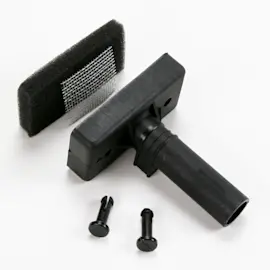
- Keep the intake path clean (dirty intake filter or clogged shrouds reduce pump efficiency and raise heat).
- Verify the compressor reaches full cut-out pressure; a weak pump, bad check valve, or failing pressure switch can reduce effective airflow.
Quick checks that usually make the biggest difference
- Set the regulator to the tool’s required PSI (not the tank gauge).
- Listen for hissing after shutoff; leaks waste CFM continuously.
- Watch recovery time: if it takes much longer than normal to refill, the pump or valves are losing efficiency.
Common causes and what they look like
| What you notice | Likely issue | What it does to CFM |
|---|---|---|
| Tank pressure drops quickly with compressor off | Leak in fittings, drain valve, hose, tank check valve | Reduces usable airflow time |
| Compressor runs but won’t reach normal tank pressure | Worn reed valves, piston seal, head gasket | Lowers pump output |
| Tool starves when you pull the trigger | Hose/coupler restriction, regulator issue | Limits flow at the outlet |
Why it matters
CFM is what keeps air tools running without bogging down. Improving sealing, reducing restrictions, and matching PSI to the job often delivers a noticeable real-world gain without changing the motor or pump.
For step-by-step troubleshooting, use our DIY guides: air compressor air leaks and air compressor won't build tank pressure.
Last updated: February 2026
What is a 919176350 air compressor?
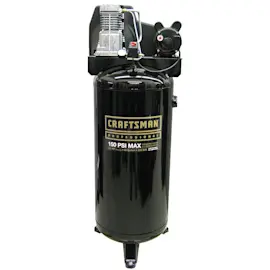
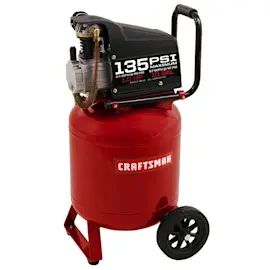
The Craftsman 919176350 is an air compressor model number used to identify the exact Craftsman unit so you can match the correct diagrams, maintenance info, and replacement parts. It is not the same product as similarly sized compressors from other brands.
What the model number tells you
When you use model 919176350, we can narrow results to the right Craftsman air compressor family and help you avoid ordering mismatched components.
- Confirms the correct Craftsman brand and model identity
- Helps match the right pump, motor, and tank configuration
- Improves accuracy when selecting items like a pressure switch, check valve, or regulator
- Helps troubleshoot symptoms based on common air compressor systems
- Reduces returns caused by look-alike parts that do not fit
Common systems on most air compressors like this
Even without a manual listed for this model, most portable and stationary air compressors use the same core systems below.
| System | What it does | Common symptom when it fails |
|---|---|---|
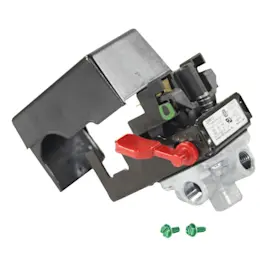
| Pressure switch | Turns the motor on and off at cut-in/cut-out pressure | Won’t start or won’t shut off |
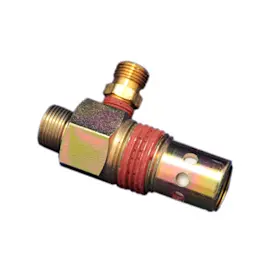
| Check valve | Prevents tank air from flowing back into the pump | Hard start, air leaking at unloader |
| Regulator | Controls outlet pressure to your tool | Can’t adjust output pressure |
| Tank gauge | Shows tank pressure | Gauge not working or inaccurate |
How to identify your exact 919176350 version
Use these quick checks to confirm you are working with the correct unit.
- Find the data label and verify 919176350 exactly
- Note voltage and plug type (common: 120V household or 240V shop)
- Check whether the pump is oil-free or oil-lubricated
- Listen for where air leaks (fittings, regulator, safety valve, tank drain)
- Record the symptom: won’t start, won’t build pressure, leaks, or noisy operation
Why it matters
Air compressor parts and troubleshooting steps depend on the compressor’s control system (pressure switch and unloader), air path (check valve and fittings), and pump style (oil-free vs oil-lubricated). Using the exact model number prevents wasted time and incorrect repairs.
Helpful DIY troubleshooting
For the most common issues, use our step-by-step DIY content:
Last updated: February 2026
What is the most common cause of air compressor failure?
The most common cause of failure on a Craftsman air compressor like model 919176350 is poor maintenance that leads to heat and wear: restricted airflow (dirty intake filter, blocked cooling fins), moisture and contamination in the tank, and worn pump components that reduce compression and overwork the motor.
What fails first most often (and why)
When an air compressor is pushed to run hot or run too long, several parts start to fail in a predictable order.
- Restricted intake airflow: a dirty intake filter makes the pump work harder and run hotter.
- Overheating: blocked cooling fins, poor ventilation, or long run times break down seals and valves.
- Moisture left in the tank: water causes internal corrosion and can damage valves and regulators.
- Air leaks: small leaks force longer run time, which accelerates motor and pump wear.
- Pressure switch or check valve issues: hard starting and rapid cycling strain the motor.
Quick checks we recommend before assuming “the compressor is bad”
These checks identify the most common, fixable causes of “failure” (no start, no pressure, or weak output).
- Verify the outlet and extension cord are adequate; low voltage causes hard starts and overheating.
- Listen for constant hissing at fittings, the regulator, or the tank drain (leaks).
- Confirm the tank drain is closed and the safety valve is not stuck slightly open.
- Check that the compressor has clear airflow around it and clean cooling surfaces.
- If it struggles to restart with pressure in the tank, suspect the unloader, check valve, or pressure switch.
Symptom-to-cause cheat sheet
| What you notice | Most common cause | What to do next |
|---|---|---|
| Won’t start at all | Power supply, pressure switch, motor overload | Follow air compressor won't start |
| Runs but won’t build pressure | Leaks, reed valves, piston seal wear | Follow air compressor won't build tank pressure |
| Tank pressure drops when off | Leaks at fittings, drain valve, check valve | Follow air compressor tank won't hold air |
| Very loud or rattly | Loose mounts, worn bearings, valve damage | Follow how to reduce air compressor noise |
Why it matters
Most “air compressor failures” are really run-time and heat problems. Fixing airflow, leaks, and moisture control reduces cycling, keeps temperatures down, and prevents repeat damage to the pump, pressure switch, and motor.
Last updated: February 2026