Owner’s manual
 Error Codes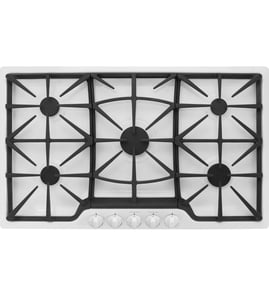




How long should a gas cooktop last?
A gas cooktop like the Jenn-Air CCGP2820P typically lasts 15 to 20 years with normal household use and basic care. Lifespan depends most on burner ignition reliability, gas valve condition, and how well the cooktop is kept clean and properly adjusted per the CCGP2820P owner's manual.
Typical lifespan and what affects it
Most cooktops reach the higher end of the range when they are cleaned regularly and problems are fixed early.
- Cooking frequency: daily heavy use shortens lifespan
- Cleaning habits: spills left to bake on can damage burner parts and finishes
- Ignition wear: frequent clicking or delayed lighting stresses igniters
- Gas quality and pressure: incorrect pressure can cause poor flames and overheating
- Moisture and corrosion: liquids around burner bases and switches can cause failures
Signs your cooktop is nearing end of life
These issues often start as repairable problems, but repeated failures over time can signal overall wear.
- Burners light slowly or unevenly even after cleaning
- Igniters click constantly or do not spark reliably
- Knobs feel loose, bind, or do not control flame smoothly
- Flames are yellow, lifting, or noisy (after confirming correct burner cap placement)
- You smell gas when burners are off (shut off gas and have it checked)
Repair vs. replace: quick decision guide
| Situation | Usually makes sense to | Why |
|---|---|---|
| One burner will not ignite | Repair | Common wear item; often isolated to ignition or a switch |
| Knob is cracked or slipping | Repair | Low-cost, quick fix |
| Multiple burners have recurring ignition issues | Compare costs | Could involve several components and labor |
| Control panel or internal components are failing repeatedly | Compare costs | Higher parts cost can approach replacement value |
Why it matters
A cooktop that is clean, lights quickly, and holds a steady blue flame cooks more evenly and reduces stress on components like igniters, valve switches, and burner bases.
Last updated: January 2026
What are the four basic types of cooktops gas?
The four basic cooktop types are gas, electric (radiant/coil), induction, and downdraft cooktops (a cooktop style that includes built-in ventilation). Your Jenn-Air CCGP2820P is a gas cooktop, so it heats cookware with an open flame; see the CCGP2820P owner's manual for model-specific use and safety details.
The 4 basic cooktop types (quick definitions)
- Gas cooktop: Open flame; fast heat changes and visible flame control.
- Electric cooktop (radiant or coil): Heating element warms the glass top or coil, then transfers heat to the pan.
- Induction cooktop: Electromagnetic field heats compatible cookware directly; the surface stays comparatively cooler.
- Downdraft cooktop: A cooktop paired with a built-in vent system that pulls smoke and odors downward.
How they compare
| Cooktop type | How it heats | What you notice most |
|---|---|---|
| Gas | Flame heats the pan | Instant visual feedback and quick adjustments |
| Electric | Element heats surface, then pan | Steady heat; surface stays hot after cooking |
| Induction | Pan heats from magnetic field | Very fast boiling; requires magnetic cookware |
| Downdraft (feature/style) | Depends on gas/electric/induction | Built-in ventilation reduces need for overhead hood |
Why it matters when choosing or troubleshooting
Knowing the cooktop type helps you match the right cookware, cleaning method, and repair approach.
- Gas issues often involve burner ignition, burner bases, or control knobs.
- Electric issues often involve elements and temperature controls.
- Induction issues often involve cookware compatibility and electronics.
- Downdraft setups add venting components that can affect performance.
Tip for your CCGP2820P gas cooktop
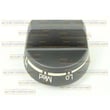
If a burner won’t light or the flame is uneven, start with basic checks like burner cap alignment and cleaning the burner ports. If a knob is cracked or slipping, the range burner control knob WP71001057 is a common replacement part for this model.
Last updated: January 2026
What is the best gas cooktop on the market?
The “best” gas cooktop depends on how you cook and what fits your kitchen, not one single brand or price point. For shoppers comparing options to the Jenn-Air CCGP2820P, we recommend prioritizing burner power, simmer control, sealed-burner cleanup, and long-term parts support; confirm exact specs in the CCGP2820P owner's manual.
What to compare (the factors that matter most)
- High-heat output: Look for at least one power burner (many premium units offer 18,000 BTU or higher).
- Low simmer performance: A true low setting matters for sauces and melting.
- Sealed burners and spill containment: Faster cleanup and fewer clogs.
- Grates and cookware stability: Heavier continuous grates tend to feel more stable.
- Ignition reliability: Consistent sparking and flame carryover reduce relighting.
- Serviceability: Availability of common wear parts like knobs, switches, and igniters.
“Best” by shopper type
| If you want… | What to look for | Typical tradeoff |
|---|---|---|
| Pro-style performance | High-BTU burner, heavy grates, precise valves | Higher cost, heavier cleaning |
| Everyday value | Sealed burners, simple controls, solid warranty | Fewer premium features |
| Easy maintenance | Fewer crevices, durable knobs, accessible parts | May sacrifice pro aesthetics |
Why it matters for long-term ownership
Even a top-rated cooktop can become frustrating if ignition gets finicky or controls wear out. Choosing a model with replaceable, commonly stocked parts helps keep performance consistent over time.
Parts that commonly affect day-to-day use
- Worn or cracked knobs can make flame control inconsistent: consider the range burner control knob WP71001057.
- Ignition issues often trace back to a dirty or failing igniter (cleaning helps; replacement restores reliable sparking).
- Control switches can wear and cause intermittent ignition or clicking.
Last updated: January 2026