




What is the average lifespan of a GE dishwasher?
A GE dishwasher typically lasts 10 to 12 years. For the GE GDF630PGM5WW, consistent cleaning, correct loading, and fixing small leaks or drain issues early are the biggest factors that help you reach (or beat) that average.
What affects dishwasher lifespan most
- Water quality: hard water speeds up mineral buildup on the heating system and spray paths.
- Cleaning and maintenance: keeping the sump area clean reduces strain on the wash and drain system.
- How often you run it: heavy daily use wears pumps, seals, and racks faster.
- Heat and drying performance: weak heating can leave moisture behind and increase residue.
- Small leaks: even minor seepage can damage components over time.
Quick maintenance checklist (monthly)
- Remove debris from the bottom of the tub and around the sump area.
- Inspect the door seal for flattening, tears, or gaps.
- Run a cleaning cycle with a dishwasher cleaner or a descaling product if you have hard water.
- Confirm the spray arms spin freely and holes are not clogged.
- Check that the unit drains fully at the end of the cycle.
Common wear items and what they impact
| Symptom | Likely system involved | Example part for GDF630PGM5WW |
|---|---|---|
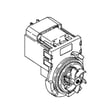
| Not draining, water left in tub | Drain system | Dishwasher drain pump WD19X25461 |
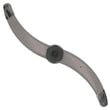
| Poor cleaning, gritty dishes | Spray and circulation | Dishwasher spray arm, lower WD22X33499 |
| Not drying well, cool water | Heating system | Dishwasher heating element WD05X35098 |
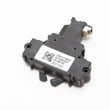
| Door won’t latch or starts then stops | Door latch system | GE dishwasher door latch lock WD21X10490 |
Why it matters
If your dishwasher is near the 10 to 12 year mark, replacing a targeted part (like a drain pump, heating element, or door latch) often restores performance and helps you avoid the extra wear that comes from repeated failed cycles.
Last updated: January 2026
What is the most common problem with a GE dishwasher?
The most common GE dishwasher problems (including model GDF630PGM5WW) are draining issues, not starting, and poor cleaning. In most homes, these trace back to food debris buildup, a blocked drain path, or a door that is not fully latching, which prevents the cycle from running.
Most common issues and what to check first
- Not draining: Check the filter area for debris, then confirm the drain hose is not kinked or clogged.
- Won’t start: Make sure the door closes firmly; a weak latch can stop the dishwasher from running.
- Not cleaning well: Inspect spray arms for clogged holes and confirm water is filling properly.
- Not drying: Verify heated dry is selected; drying problems can also point to a heating circuit issue.
- Intermittent stopping or odd behavior: Look for an error code and follow the GE troubleshooting steps.
Parts that commonly relate to these symptoms (GDF630PGM5WW)
If basic checks do not fix the problem, these model-matched parts are common suspects:
| Symptom | Common cause | Model-matched part example |
|---|---|---|
| Won’t start or stops mid-cycle | Door not registering “closed” | GE dishwasher door latch lock WD21X10490 |
| Not draining | Drain pump jammed or failed | Dishwasher drain pump WD19X25461 |
| Poor cleaning | Spray arm clogged, cracked, or not spinning | Dishwasher spray arm, lower WD22X33499 |
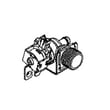
| Not filling or fills slowly | Water inlet valve restricted or failed | Dishwasher water inlet valve WD15X26078 |
| Strange fill or level behavior | Water level sensing issue | GE dishwasher pressure sensor WD21X25468 |
Why it matters
Drain and start problems are the most common because they are the most sensitive to everyday conditions: food soil, grease, and a door that is slightly misaligned. Fixing the root cause early helps prevent repeat clogs, standing water odors, and cycle interruptions.
Helpful troubleshooting resources
- Use GE electronic dishwasher error codes to match any blinking lights or displayed codes to the most likely cause.
- For a step-by-step drain diagnosis, follow dishwasher not draining video.
Last updated: January 2026
How can I tell what size my dishwasher is?
To tell what size your GE dishwasher model GDF630PGM5WW is, we measure the cabinet opening (width, height, and depth) and compare it to standard dishwasher dimensions. Most built-in dishwashers are designed for a 24-inch-wide opening, but measuring confirms the fit.
How to measure your dishwasher opening
Use a tape measure and record all measurements in inches.
- Width: measure cabinet-to-cabinet at the front of the opening
- Height: measure from the finished floor to the lowest point of the countertop
- Depth: measure from the back wall to the front edge of the cabinet opening
- Measure in at least two spots (top and bottom) to catch out-of-square cabinets
- If the dishwasher is installed, you can also measure the door width and estimate opening size
Typical dishwasher sizes (what to compare against)
Most GE built-in dishwashers, including models like GDF630PGM5WW, fit one of these common openings.
| Type | Typical opening width | Typical opening height | Typical opening depth |
|---|---|---|---|
| Standard built-in | ~24 in | ~34 to 35 in | ~24 in |
| Compact built-in | ~18 in | ~34 to 35 in | ~24 in |
Quick checks that affect “size” and fit
Even when the opening is standard, these details can change what fits or how it installs.
- Countertop thickness and low-hanging edges can reduce usable height
- Flooring changes (new tile, vinyl) can reduce height or trap the dishwasher
- Side clearance for the door and adjacent cabinets
- Depth clearance for the drain hose and water line behind the unit
- Leveling legs adjustment range
Why it matters
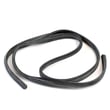
Correct measurements help you avoid installation problems and help ensure replacement parts and accessories match your setup. If you are troubleshooting fit issues caused by leaks or door alignment, inspecting the door seal area and tub edge can also help; the dishwasher tub gasket WD08X23476 is a common sealing point on this model.
Last updated: January 2026
Can a clogged drain cause an FTD error?
Yes. On the GE GDF630PGM5WW dishwasher, an FTD (fail to drain) error commonly happens when water cannot leave the tub fast enough, and a clogged drain path is one of the most frequent causes.
What to check first (fast, no-parts steps)
- Cancel the cycle and let the unit attempt to drain; listen for the drain pump running.
- Remove standing water (if needed) so you can inspect the sump area safely.
- Clean the filter area and sump inlet; food debris and labels can block flow.
- Check the sink drain/disposal connection for a knockout plug or blockage.
- Inspect the drain hose for kinks, crushing, or a sag that traps water.
Parts that commonly relate to an FTD (fail to drain)
If the drain path is clear but the dishwasher still will not drain, the issue is usually in the drain pump, drain hose, or a restriction at the outlet.
| Symptom | Most likely area | Example part for GDF630PGM5WW |
|---|---|---|
| Pump hums but little or no water moves | Blocked impeller or weak pump | Dishwasher drain pump WD19X25461 |
| Drains slowly, then errors | Partial clog or restricted hose | Dishwasher drain hose WD24X10062 |
| Intermittent drain issues with odd fill behavior | Water level sensing problem | GE dishwasher pressure sensor WD21X25468 |
Why it matters
A clogged drain can leave dirty water in the sump, which reduces cleaning performance and can trigger repeated FTD errors. Clearing the drain path early also helps prevent drain pump strain and repeat shutdowns.
When to use error-code guidance
If you are seeing FTD along with other lights or beeps, use GE-specific code help to narrow the failure to draining, sensing, or control issues: GE electronic dishwasher error codes.
Last updated: January 2026





