Error Codes



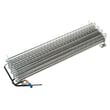
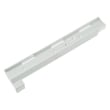
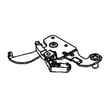
How to remove bottom grille on GE refrigerator?
On the GE GNE25JYKJFFS bottom-mount refrigerator, the bottom grille (base grille or toe grille) typically comes off by releasing its retaining clips or removing a couple of screws, then pulling the grille straight out and down. This gives you access for cleaning and service.
Quick removal steps
- Unplug the refrigerator or switch off power at the breaker if you will be working near wiring.
- Open both fresh food doors for better access.
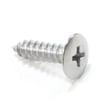
- Look along the top edge and corners of the grille for screws; remove them if present.
- If there are no screws, grip the grille at both ends and pull straight outward to release the clips.
- Tilt the grille slightly and lift it away from the cabinet.
- Set the grille aside and keep any screws together for reinstallation.
Reinstalling the grille
Line the grille up with the slots and push it in until the clips snap into place. If your grille uses screws, reinstall them snugly (do not overtighten).
What to check if it will not come off
- The grille is catching on the floor; raise the front leveling legs slightly.
- Clips are stuck from debris; vacuum the seam and try again.
- A screw is hidden near an end cap; recheck both corners.
| What you see | Most likely attachment | What to do |
|---|---|---|
| Visible screws at corners | Screw-mounted grille | Remove screws, then pull grille forward |
| No screws, firm resistance | Clip-mounted grille | Pull straight out at both ends to pop clips |
| Grille flexes but will not release | Clip stuck or floor interference | Clean seam, adjust leveling legs, retry |
Why it matters
Removing the bottom grille lets us clean condenser airflow areas, which helps cooling performance and can reduce compressor run time and noise.
For related GE steps that often come up during access and door work, see how to remove a GE french door refrigerator flipper mullion.
Last updated: January 2026
What is the most common problem with a GE refrigerator?
The most common GE refrigerator complaint is not cooling properly (fresh food warm, freezer not holding temperature, or temperatures swinging). On the GE GNE25JYKJFFS bottom-mount refrigerator, the fastest wins are checking airflow, condenser cleanliness, and the evaporator fan and temperature-sensing system.
Quick checks we recommend first (10 to 20 minutes)
- Confirm the controls are set correctly (typical targets: 37°F fresh food, 0°F freezer).
- Make sure vents inside the refrigerator are not blocked by food packages.
- Check that the doors close fully and the gaskets seal all the way around.
- Clean the condenser area (dust buildup can cause warm temps and long run times).
- Listen for the evaporator fan in the freezer; no fan sound often points to airflow problems.
Common GE refrigerator problems and what they usually mean
| Symptom | Most common cause | What to do next |
|---|---|---|
| Not cooling or weak cooling | Airflow issue, dirty condenser, fan problem, sensor issue | Clear vents, clean condenser, check evaporator fan and sensor |
| Loud buzzing, clicking, or rattling | Fan blade hitting ice, loose panel, compressor start components | Inspect fan area, check for ice buildup, verify panels are tight |
| Ice maker not making ice | Water supply issue, frozen fill path, filter restriction | Check water supply, replace filter, inspect fill area |
| Water leaking | Clogged defrost drain, loose water line, filter housing leak | Clear drain path, inspect lines and filter housing |
| Door not closing | Misalignment, gasket not sealing, bins/shelves interfering | Level unit, warm and reshape gasket, remove obstructions |
Parts that commonly relate to “not cooling” on this model
If basic checks do not fix the issue, these model-matched parts are often involved:
- GE profile refrigerator temperature sensor WR55X10025 (temperature feedback to the control)
- Motor dc evap fan WR60X39625 (moves cold air through the compartments)
- Refrigerator defrost bi-metal thermostat WR50X10069 (helps manage defrost to prevent ice blocking airflow)
Why it matters
Cooling problems can quickly lead to food spoilage and can also cause secondary symptoms like excess frost, unusual noises, and water leaks. Catching airflow, fan, and sensor issues early helps prevent bigger failures and higher repair costs.
Helpful DIY guides
Last updated: January 2026
How to remove the bottom drawer of a GE refrigerator?
To remove the bottom freezer drawer on your GE GNE25JYKJFFS bottom-mount refrigerator, we typically pull the drawer fully open, lift the front slightly to release it from the slide rails, then lift and pull the drawer out. This gives you access for cleaning, clearing ice, or servicing parts.
Quick removal steps (most GE bottom-mount drawers)
- Unplug the refrigerator or switch off power at the breaker if you will be working near wiring or the evaporator fan.
- Remove food and the upper basket (if your drawer has one) so the drawer is lighter.
- Pull the bottom drawer all the way out until it stops.
- Lift up on the front of the drawer (usually 1 to 2 inches) to unhook it from the slide rail tabs.
- While holding it lifted, pull the drawer straight out and off the rails.
- Set the drawer on a towel to avoid scratching the finish.
If the drawer will not lift off the rails
These are the most common causes and fixes:
- Ice buildup on the rails: Defrost the freezer area and wipe rails dry.
- Overloaded drawer: Remove heavy items, then try again.
- Drawer is cocked (one side ahead of the other): Push it closed, then reopen evenly.
- Rail locks or stops engaged: Look along each rail for a small stop tab; press it while lifting the drawer.
- Warped or damaged drawer/rails: Inspect for cracks or bent metal; replace the damaged component.
Reinstalling the drawer
- Align the drawer tracks with both slide rails.
- Push the drawer in evenly until it seats.
- Close and reopen the drawer to confirm smooth travel and a full seal.
| What you are doing | What to watch for | Why it matters |
|---|---|---|
| Removing the drawer | Lift the front evenly on both sides | Prevents rail damage and misalignment |
| Reinstalling the drawer | Drawer closes flush and seals | Helps maintain proper freezer temperature |
| Cleaning/inspection | Rails dry and free of ice | Reduces sticking and noise |
Why it matters
A drawer that is not seated correctly can leak cold air, cause frost buildup, and make the freezer work harder. Proper removal and reinstallation also helps protect the slide rails and drawer frame.
For a visual walkthrough that matches GE-style French door/bottom freezer designs, use how to remove a GE french door refrigerator flipper mullion as a reference for GE door component handling and safe disassembly habits.
Last updated: January 2026
What is the life expectancy of a GE Monogram refrigerator?
GE Monogram refrigerators have a life expectancy of 15 years. Your GE GNE25JYKJFFS is a GE bottom-mount refrigerator (not a Monogram unit); it also typically delivers about 15 years of service when temperatures stay stable, airflow stays clear, and the doors seal tightly.
What most affects refrigerator lifespan
Keeping the sealed system, airflow, and electronics in good shape has the biggest impact.
- Clean condenser area regularly so the compressor runs cooler
- Keep door gaskets sealing to prevent frost and long run times
- Replace water filters on schedule to protect the dispenser and ice maker
- Avoid blocking interior vents with food packages or bins
- Use surge protection to reduce control board damage risk
Maintenance priorities for GE GNE25JYKJFFS
These steps prevent the most common wear issues in GE bottom-mount designs.
- Replace the GE refrigerator water filter XWFE when flow slows or taste changes
- Inspect and clean the door seals; replace if torn or permanently flattened
- Vacuum dust from the toe grille and condenser area
- Confirm the freezer drawer closes fully every time
- Address temperature swings early; a failing sensor can cause overcooling or warming
Repair or replace decision guide
| Symptom | What it usually points to | Best first step |
|---|---|---|
| Warm fresh food, freezer OK | Airflow or temperature sensing | Check vents and consider testing the GE profile refrigerator temperature sensor WR55X10025 |
| Frost buildup, fan noise | Door leak or defrost problem | Inspect gaskets and defrost components |
| Bad-tasting water, slow dispense | Restricted filter | Replace filter, then flush several gallons |
| Alarm beeping with doors closed | Door not fully shut or switch issue | Re-seat bins, verify door alignment |
Why it matters
A refrigerator that runs longer than normal (from dirty coils, air leaks, or restricted airflow) puts extra stress on the compressor and control boards; that shortens service life and can lead to food temperature problems.
Last updated: January 2026