


How much should a central air conditioning unit cost?
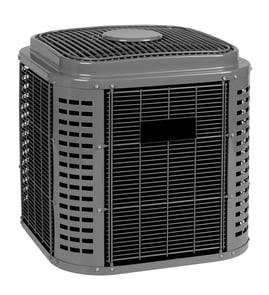
A typical installed central air conditioning system often costs about $3,000 to $15,000+, depending on capacity, efficiency, and installation complexity. For an Icp CA3024VKA2 cooling condenser, the biggest price swings usually come from labor, refrigerant work, and any duct or electrical upgrades.
What drives the price most
- System size (tons/BTUs): Larger homes need larger capacity and higher cost.
- Efficiency rating (SEER/SEER2): Higher efficiency usually costs more up front.
- Installation scope: New install costs more than a like-for-like replacement.
- Electrical and controls: New disconnect, wiring, or a failing contactor can add cost.
- Ductwork and airflow: Repairs, sealing, or resizing ducts can be a major add-on.
- Refrigerant circuit work: Leak repair, evacuation, and recharge increase labor.
Typical cost ranges (installed)
| Scenario | What it usually includes | Typical range |
|---|---|---|
| Like-for-like condenser replacement | Outdoor unit swap, basic startup | $3,000 to $7,500 |
| Full system replacement | Condenser plus indoor coil (often) | $6,000 to $12,000 |
| High-efficiency or complex install | Higher efficiency equipment, upgrades | $10,000 to $15,000+ |
Parts vs. full replacement: quick guidance
If your outdoor unit is not starting or is short-cycling, a repair can be far less than replacement. Common repair-related parts on this model include:
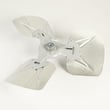
- Fan blade 1085684 (damaged blade can cause vibration and motor strain)
- Central air conditioner condenser fan motor, 1/6-hp 1052662 (failed motor can stop outdoor airflow)
- Serv valve 1080995 (used in refrigerant service work)
Why it matters
A central AC price is not just the equipment; it is the installed performance. Correct sizing, airflow, and refrigerant charging protect comfort, efficiency, and compressor life.
Last updated: January 2026
Is it worth repairing a 10 year old air conditioner?
For an Icp central air conditioner model CA3024VKA2, repairing at 10 years old is usually worth it when the problem is a normal wear item (like a contactor or condenser fan motor) and the repair cost is reasonable; replacement makes more sense when you have repeated breakdowns or a major sealed-system failure.
Quick way to decide (repair vs. replace)
Use these practical checks before spending money on parts or labor:
- Repair when the issue is electrical or airflow related (contactor, fan motor, fan blade, wiring).
- Repair when the unit has been reliable and this is the first significant failure.
- Replace when you have multiple repairs in the last 2 to 3 seasons.
- Replace when the problem points to the compressor or refrigerant leak (sealed system work).
- Replace when the outdoor unit is badly corroded, very noisy, or the coil is deteriorating.
Common 10-year repair scenarios for CA3024VKA2
Many “no cooling” or “won’t start” calls on outdoor condensers come down to a few parts.
| Symptom | Likely area | Typical next step |
|---|---|---|
| Outdoor unit hums or won’t pull in | Contactor/capacitor circuit | Test voltage and control signal; replace failed component |
| Fan not spinning but compressor tries | Condenser fan motor or fan blade | Inspect blade for damage; test motor; replace as needed |
| Fan spins slowly or wobbles | Fan blade or motor bearings | Replace the worn part to prevent overheating |
Model-matched parts we commonly see used in these repairs include the central air conditioner condenser fan motor, 1/6-hp 1052662 and a compatible fan blade 1085684.
Why it matters
A failing condenser fan motor, fan blade, or contactor can cause hard starts, overheating, nuisance shutoffs, and higher energy use. Fixing a straightforward electrical or fan issue often restores normal cooling without the cost of a full system changeout.
Before you commit to a repair
- Shut off power at the disconnect and breaker before inspecting.
- Check for obvious issues: burnt wires, loose spade connectors, debris blocking the fan.
- If you suspect refrigerant or compressor problems, use a licensed HVAC technician.
Last updated: January 2026
What is the average lifespan of a central air conditioning unit?
Most central air conditioning units last 15 to 20 years with normal use and consistent maintenance. For an Icp cooling condenser like model CA3024VKA2, keeping airflow clear and electrical components in good shape is what most often determines whether you reach the high end of that range.
Typical lifespan (what to expect)
Central A/C lifespan is usually driven by climate, run time, and maintenance quality.
- Average range: 15 to 20 years
- Shorter lifespan is common when the unit runs long hours in extreme heat or has restricted airflow
- Longer lifespan is common when coils stay clean, refrigerant charge stays correct, and electrical parts are replaced before they fail
| Condition | What it usually leads to | What we recommend |
|---|---|---|
| Clean coils, clear airflow, correct charge | Longer service life | Seasonal cleaning and inspection |
| Dirty condenser coil, blocked fins, debris | Higher pressures, overheating | Keep the outdoor unit clear and rinse coil gently |
| Worn electrical parts (contactor/capacitor) | No-cool or intermittent cooling | Replace failing electrical parts promptly |
Signs your central A/C is nearing end of life
These symptoms often show up more frequently as a condenser ages:
- Cooling is weaker even after filter and coil cleaning
- Outdoor unit is louder (fan motor or blade wear)
- Frequent hard-starting or clicking (electrical wear)
- Rising energy bills with similar weather and thermostat settings
- Repeated service calls for refrigerant leaks or electrical issues
Why it matters
A central A/C that is near the end of its lifespan tends to run hotter and longer to meet demand. That extra strain can accelerate failures in common wear items like the contactor and condenser fan motor.
Parts that commonly affect reliability
If your CA3024VKA2 has intermittent cooling or the outdoor fan is not running consistently, these are common repair starting points:
Last updated: January 2026