Owner’s manual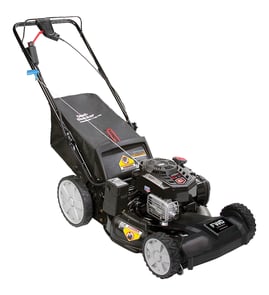





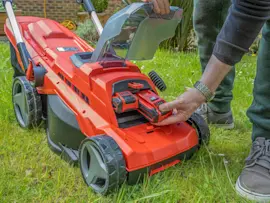
Are gas lawn mowers being phased out?
Gas walk-behind mowers like the Craftsman 247889360 are still widely used, but new sales are shifting toward battery-electric models in many areas due to emissions rules and buyer preference for quieter, lower-maintenance equipment. For owners, the practical focus is keeping your mower safe, reliable, and serviceable using the correct maintenance steps in the Craftsman 247889360 owner's manual.
In most cases, “phased out” refers to new product sales trends and local regulations, not an immediate end to parts or service.
- Some regions restrict or plan to restrict new gas outdoor power equipment sales.
- Many retailers are expanding electric selections, so gas models may be less prominent.
- Existing gas mowers remain legal to own and operate in most places.
- Gas power often remains common for larger properties and heavy-duty mowing.
Good maintenance matters more than market trends. The manual for this mower emphasizes safe servicing and storage practices.
- Disconnect the spark plug wire before maintenance to prevent accidental starting.
- Keep fasteners tight; vibration can loosen hardware over time.
- Use the specified engine oil grades (10W30 or 15W40 rated SJ or higher are commonly listed for this platform).
- Keep the engine clean and free of grass and debris to reduce fire risk and improve cooling.
- For storage over 30 days, shut off the fuel valve and run the engine until it stops from lack of fuel (or use a fuel additive as directed).
| Feature | Gas mower (like 247889360) | Battery mower |
|---|---|---|
| Maintenance | Fuel, oil, spark plug, air filter | Mostly blade and cleaning |
| Runtime | Refill and keep mowing | Limited by battery capacity |
| Noise and exhaust | Louder, exhaust present | Quieter, no exhaust |
| Storage prep | Fuel system steps needed | Charge and store batteries properly |
If your area tightens rules on new gas equipment, your best value comes from extending the life of what you already own. Following the correct storage and safety steps helps prevent fuel-system issues, overheating, and hard-start problems.
Last updated: January 2026
What are common self-propelled mower problems?
Common self-propelled problems on the Craftsman 247889360 36-inch wide cut lawn mower include loss of forward drive, weak pulling power, or uneven steering. Most issues trace back to a worn or slipping traction drive belt, an idler pulley that is not applying proper tension, or transmission and brake/steering linkage that is out of adjustment.
- Mower won’t move when drive is engaged: traction drive belt off, broken, or too loose
- Moves but slips under load: belt glazed or stretched, idler not tensioning the belt
- Pulls to one side: steering/brake lever on one side dragging or not fully releasing
- Hard to turn or stops during turns: steering/brake levers over-applied, neutral latch partially engaged
- Engine stalls when you let go: operator presence control is working as designed (releasing both handles shuts off the engine)
- Stop the engine and disconnect the spark plug wire before inspecting anything under the deck.
- Check the traction drive belt path and condition (cracks, glazing, fraying).
- Confirm the idler pulley moves freely and applies firm belt tension when drive is engaged.
- Verify both steering/brake levers fully return when released; a dragging lever can mimic a drive failure.
- Clear packed grass and debris around pulleys and belt guides; buildup can cause belt slip.
The mower uses a traction drive belt and an idler pulley to apply tension and transmit power to the transmission. Steering is controlled by left and right steering/brake levers; squeezing a lever allows belt slippage for a gentle turn, and squeezing further applies braking for a sharper or pivot turn.
| Symptom | Most likely area | First action |
|---|---|---|
| No forward drive | Traction belt / idler | Inspect belt and idler movement |
| Slips on hills | Belt tension | Check idler tension and belt wear |
| Turns poorly | Steering/brake levers | Confirm levers release and linkages move freely |
A slipping belt or dragging brake overheats components, accelerates belt wear, and can reduce control on slopes. Keeping the traction system clean and properly tensioned helps the mower drive consistently and steer predictably.
For model-specific operating and safety details (including spark plug wire disconnection before maintenance), use the 247889360 owner's manual.
Last updated: January 2026
What is the average lifespan of a gas lawn mower?
A gas walk-behind mower like the Craftsman 247889360 typically lasts 8 to 15 years, with about 10 to 12 years being a common average when it gets routine maintenance (oil changes, clean cooling fins, tight fasteners, and proper fuel storage). See the maintenance schedule in the 247889360 owner's manual.
- Annual hours of use: many walk-behind mowers run about 20 to 25 hours per year.
- Oil change habits: changing oil while warm before storage helps reduce wear.
- Fuel storage practices: running the engine out of fuel or using a fuel stabilizer reduces carburetor gumming.
- Cooling and cleanliness: keeping the engine free of grass and debris helps prevent overheating.
- Fastener and blade condition: loose blade bolts and worn blades increase vibration and stress.
Use this as a simple routine for the 247889360:
- Disconnect the spark plug wire before maintenance.
- Keep the engine clean and free of grass, grease, and leaves.
- Check bolts and screws for tightness at frequent intervals.
- For storage over 30 days: turn off the fuel valve and run the engine until it stops (or add fuel additive and circulate it).
- Change engine oil while the engine is still warm before long storage.
| Usage pattern | What we typically see | Practical expectation |
|---|---|---|
| Light residential use | Lower wear, fewer heat cycles | 12 to 15 years |
| Average residential use | Normal wear with seasonal storage | 10 to 12 years |
| Heavy use or poor maintenance | Faster engine and drive wear | 8 to 10 years |
A mower’s “life” is usually limited by fuel-system varnish, overheating from debris buildup, and wear from running with old oil. Consistent maintenance costs less than major repairs and keeps cut quality and safety controls working correctly.
Last updated: January 2026