

How to find range hood model number?
Your Kenmore range hood model number is printed on a rating label attached to the hood itself. On model 2335188610, you’ll typically find that label on the top of the hood, on the underside near the front edge, or behind the grease filter.
Check these common label locations (use a flashlight):
- Top of the hood (often near the duct outlet area)
- Underside of the hood (near the light lens or control area)
- Behind the grease filter (remove the filter and look on the inner frame)
- Inside the wiring or blower area (only after power is off)
- Side wall inside the hood canopy (less common, but possible)
The rating label usually includes the model number plus other identifiers.
| Label item | What it’s used for | Example of what to record |
|---|---|---|
| Model number | Correct part fit and diagrams | 2335188610 |
| Serial number | Production run reference | Letters and numbers |
| Electrical rating | Safe replacement parts | Volts/amps |
- Turn off power at the breaker before reaching inside the hood.
- Remove the grease filter carefully so you do not bend the frame or latch.
- If the label is greasy, wipe lightly with a damp cloth and a drop of dish soap.
- Take a clear photo of the label so you can zoom in later.
The model number is what we use to match the correct Kenmore range hood parts, such as a range hood light lens S99110437 or a switch S97016438, so you get the right fit the first time.
Last updated: February 2026
How to clean kenmore kitchen hood vent?
To clean a Kenmore range hood vent on model 2335188610, we shut off power, remove the grease filter, degrease it in hot soapy water, then wipe the hood interior and fan intake area. Let everything dry fully before reinstalling the filter and restoring power.
- Turn the hood off and switch off power at the breaker (or unplug if accessible).
- Let bulbs and metal surfaces cool completely.
- Avoid spraying cleaner directly into switches or wiring.
- Never use abrasive pads that can scratch painted or stainless surfaces.
- Remove the filter and any filter latch hardware carefully.
- Soak the filter 15 to 30 minutes in hot water plus grease-cutting dish soap (add a small amount of baking soda for heavy buildup).
- Scrub gently with a soft brush, rinse well, and air-dry completely.
- Wipe the hood interior (around the blower inlet and filter rails) with a degreaser on a cloth.
- Clean the exterior with warm soapy water; wipe with the grain if stainless.
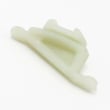
A worn latch can let the filter sag or rattle, which also lets grease spread faster. Replace the latch if it no longer holds tension: range hood filter latch S99420472.
| Cooking style | Filter cleaning | Exterior wipe-down |
|---|---|---|
| Light (boiling, low grease) | Every 4 to 6 weeks | Weekly |
| Typical home cooking | Every 2 to 4 weeks | Weekly |
| Heavy frying or high heat | Weekly | 2 to 3 times per week |
A clean filter and vent path improves airflow, reduces fan noise, and helps protect the fan motor and switch from grease buildup. If airflow still seems weak after cleaning, use our troubleshooting steps in range hood fan not pulling much air.
Last updated: February 2026
What is the life expectancy of a range hood?
A Kenmore range hood like model 2335188610 typically lasts 15 years. In normal home use, the practical lifespan range is 10 to 20 years, and the biggest factors are grease buildup, how often you cook, and whether the blower and controls stay clean and dry.
Most range hoods fail early due to airflow restriction (grease and clogged filters) or wear in the blower system.
- Light cooking and regular cleaning: closer to 15 to 20 years
- Heavy frying or high-heat cooking: closer to 10 to 15 years
- Poor venting (blocked duct or stuck damper): shortens motor life
- Frequent high-speed use: increases motor and switch wear
- Moisture and heat exposure: can damage wiring and switches
If the hood is otherwise in good shape, replacing one of these parts often restores full performance.
| Symptom | Most likely wear item | Example part for model 2335188610 |
|---|---|---|
| Fan won’t run or runs intermittently | Fan switch or motor | Switch S97016438, motor S97011224 |
| Loud rattling or vibration | Fan blade or mounting hardware | (Inspect blade and brackets) |
| Weak airflow | Damper issue or restricted venting | Range hood vent damper cover S98005221 |
| Lights work but fan does not | Switch, wiring, or motor | Range hood blower motor wire harness S97005678 |
These habits protect the motor, wiring, and switches.
- Clean or replace filters on a routine schedule (more often with frying)
- Wipe grease from the underside and around the fan intake
- Confirm the damper opens freely and the duct is not blocked
- Run the fan during cooking and for 5 to 10 minutes after to clear heat and moisture
- Stop using the hood if you smell hot wiring or see sparking; correct the issue before continued use
A range hood that is kept clean moves more air with less strain, which reduces motor heat and electrical wear. That is the difference between a hood that reaches the 15 to 20 year mark and one that needs a motor or switch much sooner.
Last updated: February 2026
What are the parts of a range hood called?
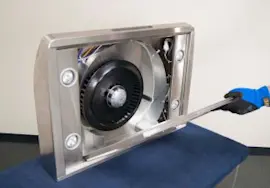
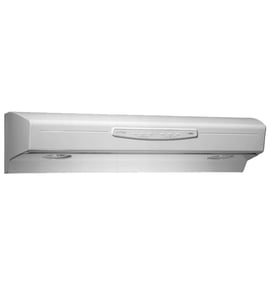
On a Kenmore range hood model 2335188610, the main parts are typically the hood body (canopy), blower system (motor and fan blade), filters and venting pieces, and the controls and lighting that let you run the fan and lights.
- Canopy or hood cover: the main housing that mounts under the cabinet
- Blower assembly: moves air; usually includes a motor, fan blade, and mounting bracket
- Grease filter and latches: trap grease; latches hold the filter in place
- Damper and vent cover: helps direct airflow and reduce backdrafts
- Switches/controls: turn the fan and lights on and off
- Light lens and light socket: protects the bulb and spreads light
- Wire harness: connects switches, motor, and lights
| Part name (listing name) | What it’s for | Example on this model |
|---|---|---|
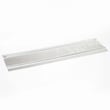
| Range hood cover | Outer housing/panel | Range hood cover S97006184 |
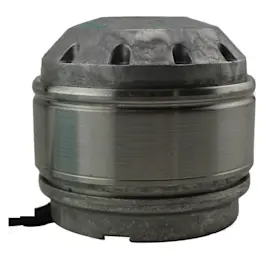
| Motor | Drives the blower | Motor S97011224 |
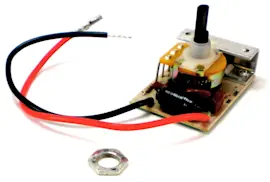
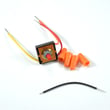
| Switch | Fan/light control | Switch S97016438 |
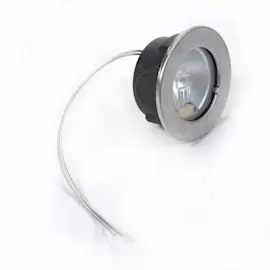
| Range hood light lens | Light cover/diffuser | Range hood light lens S99110437 |
| Range hood filter latch | Holds filter in place | Range hood filter latch S99420472 |
| Range hood vent damper cover | Venting/backdraft control | Range hood vent damper cover S98005221 |
Using the correct part name helps you match the symptom to the right section of the parts list. For example, weak airflow usually points to the blower (motor/blade) or venting, while a dead light often points to the lens, socket, or switch.
- Fan runs but airflow is weak: check filter, damper, and blower wheel area
- Fan will not run: check switch, wiring, then motor
- Light will not work: check bulb, lens fit, then socket/switch
For step-by-step symptom help, use range hood fan doesn't work or range hood lights don't work.
Last updated: February 2026