


What is the most common problem with GE dishwashers?
For GE dishwashers like model GDT635HSR7SS, the most common service issues we see are drainage problems (water left in the tub), followed by leaks and won’t start/won’t run complaints. Most of these trace back to a clogged filter or drain path, a door seal or latch issue, or a control-related interruption.
Most common issues and what they usually mean
- Not draining: filter or sump debris, blocked drain hose/air gap, drain pump obstruction
- Leaking: door gasket wear, misloaded racks hitting the door, loose hose connections
- Won’t start or stops mid-cycle: door not latching fully, control lock, power supply issue
- Not cleaning well: clogged spray arms, low water fill, detergent problems
- Not drying: rinse aid low, heater or venting issue, plastic items holding water
Quick checks we recommend first (safe, no tools)
- Cancel/drain and restart the cycle.
- Check the tub filter area for food, labels, glass, or bone fragments.
- Confirm the door closes and latches without resistance from racks.
- Run hot water at the sink for 30 to 60 seconds before starting.
- Verify the drain hose routing (no kinks; high loop under the counter).
Symptom-to-likely-cause guide
| Symptom | Most likely cause | Best first action |
|---|---|---|
| Water standing in bottom | Clogged filter/sump or drain path | Clean filter area; check hose routing |
| Dishwasher won’t run | Door latch not engaging or control setting | Re-close door firmly; check settings |
| Puddles at front | Door seal or loading interference | Inspect gasket; reload to clear door |
| Dishes gritty | Filter/spray arm blockage | Clean filter area; clear spray arm holes |
Why it matters
Drain and door-latch problems can make a GE dishwasher appear “broken” even when the motor and heater are fine. Catching clogs and latch issues early helps prevent repeat shutdowns, odors, and poor cleaning.
Helpful troubleshooting resources
- Use GE electronic dishwasher error codes to interpret beeps, lights, or displayed codes.
- If the unit has power but won’t run, follow dishwasher has power but wont run could be demo mode.
Last updated: February 2026
Can I replace dishwasher parts myself?
Yes, for the GE GDT635HSR7SS dishwasher, we can usually replace many common parts at home if the repair is mechanical and accessible (like a filter, spray arm, or door gasket). For electrical diagnostics or leak-related repairs, we recommend a more careful approach and, when needed, a qualified technician.
What you can typically DIY on a dishwasher
These repairs are usually straightforward with basic hand tools and careful shutoff steps:
- Clean or replace the filter and clear debris from the sump area
- Replace a spray arm or unclog spray arm holes
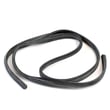
- Replace a door gasket (tub seal) if it is torn or flattened
- Replace a rack wheel/roller or adjust rack stops
- Tighten or replace a loose toe-kick fastener or mounting screw
Repairs that are DIY-friendly but higher risk
These can be done DIY, but they involve water connections, wiring, or deeper disassembly:
- Water inlet valve or fill hose work (leak risk)
- Drain pump or drain hose work (clog and leak risk)
- Door latch switch or wiring harness checks (shock risk)
- Control board or user interface replacement (misdiagnosis risk)
Safety checklist before you start
We use these steps for most GE dishwasher repairs:
- Turn off power at the breaker (do not rely on the door switch)
- Shut off the dishwasher water supply valve
- Pull the unit out only as needed; protect the floor and water line
- Take photos of wire locations and hose routing before disconnecting
- Run a short test cycle afterward and check carefully for leaks
Quick “DIY or call for service?” guide
| Symptom | Best first DIY step | When to stop and get help |
|---|---|---|
| Not cleaning well | Clean filter, check spray arms | Motor or circulation issues suspected |
| Not draining | Check drain hose loop, clear filter area | Pump wiring, repeated drain errors |
| Won’t start | Check door latch, breaker, settings | Control or UI diagnostics needed |
| Leaking | Inspect door gasket, tub edge, hose clamps | Leak source is underneath or electrical area |
Why it matters
Dishwashers combine water, heat, and electricity in a tight space. Doing the easy mechanical fixes first prevents unnecessary part swaps, and it reduces the chance of leaks or electrical damage during troubleshooting.
For code-based troubleshooting on GE electronic models, we use GE electronic dishwasher error codes. For general code references across GE dishwashers, we also use GE dishwasher error codes.
Last updated: February 2026
What are the commonly replaced parts in a dishwasher?
In a GE dishwasher like model GDT635HSR7SS, the most commonly replaced parts are the wash and drain components (that move water), door sealing and latching parts (that prevent leaks and ensure it starts), and a few electrical items that control heat and cycles. These parts wear out from heat, detergent, and normal use.
Most common dishwasher parts that get replaced
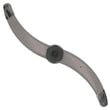
- Spray arms (clogged jets, cracked plastic, poor cleaning)
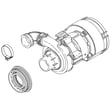
- Circulation pump / wash motor (weak wash pressure, noisy operation)
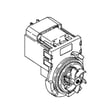
- Drain pump (won’t drain, humming, standing water)
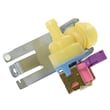
- Water inlet valve (won’t fill, fills slowly, intermittent fill)
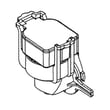
- Door latch and door switch (won’t start, stops mid-cycle)
- Door gasket and bottom door seal (leaks at the door)
- Heating element or heater circuit components (poor drying, cool water)
Quick symptom-to-part guide
| Symptom | Most likely parts to check first | What we see most often |
|---|---|---|
| Dishes still dirty | Spray arms, circulation pump, filters | Clogged spray arm holes, restricted filter area |
| Water left in tub | Drain pump, drain hose/air gap, check valve | Debris in sump or drain path |
| Leaks | Door gasket, bottom seal, float/overfill parts | Seal wear, door not closing square |
| Won’t start | Door latch/switch, control, user interface | Latch not engaging, stuck key, power issue |
| Not drying | Heater circuit, rinse aid system, vent | Heater not heating, rinse aid empty |
What to do before ordering parts
- Clean the filter area and check for broken glass or labels in the sump.
- Inspect spray arm holes; clear mineral buildup and food debris.
- Confirm the door closes firmly and the latch clicks consistently.
- Run a short cycle and listen: strong wash sound vs. weak sloshing or humming.
- If the display shows a fault, match it to the code list in GE electronic dishwasher error codes.
Why it matters
Targeting the right part saves time and prevents repeat failures. For example, a “not draining” complaint is often a blockage or drain-path issue, while a true drain pump failure usually includes humming with little or no water movement.
Last updated: February 2026
Where do I find the model number on a GE dishwasher?
On a GE dishwasher like model GDT635HSR7SS, the model number is printed on the rating label around the door opening. Open the door and look along the inner edge of the tub opening (most often on the left side); the same label usually lists the serial number.
Quick steps to locate the rating label
- Open the dishwasher door fully.
- Look at the vertical inner edge of the tub opening.
- Check the left side first; then check the right side if needed.
- Use a flashlight; the print can be small.
- Wipe the label gently with a damp cloth if it is dusty or spotted.
What the label typically includes (and why it helps)
The rating label is your best source for identifying the exact GE dishwasher you own. It commonly includes:
- Model number (used to match parts and diagrams)
- Serial number (used to determine production details)
- Electrical ratings (voltage/amps)
- Certification and manufacturing information
Model number vs. serial number
| Item | What it tells you | When we use it |
|---|---|---|
| Model number | The exact dishwasher design and parts fit | Ordering parts, looking up diagrams, troubleshooting |
| Serial number | The unit’s unique identifier | Confirming production series, service history |
Why it matters
GE often makes small design changes within a product line. Using the exact model number from the door label helps us match the correct dishwasher parts (like the control panel, door latch, drain pump, or rack components) and avoid returns due to fit issues.
For troubleshooting after you find the model number, use GE electronic dishwasher error codes to interpret beeps, blinking lights, or displayed codes.
Last updated: February 2026





