Owner’s manual
 Error Codes


Is it worth replacing the heating element in a dryer?
Yes, it’s usually worth replacing the heating element in a Kenmore electric dryer like model 11060952990 when the dryer is otherwise in good condition. A heating element repair typically costs far less than replacing the dryer and often restores normal drying performance.
Replacing the heater is a strong choice when the dryer still tumbles normally and the cabinet, drum, and controls are in decent shape.
- The dryer runs but produces little or no heat
- Dry times have gotten much longer even with a clean lint screen
- The drum turns smoothly and the motor sounds normal
- You want to extend the life of the dryer for a relatively modest repair
- You can also address common heat-related safety parts at the same time
For part selection and access steps specific to this model, use the 11060952990 manual.
On electric dryers, a failed heater can be related to airflow restrictions or heat-safety components opening.
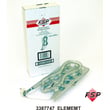
- Dryer heating element WP3387747 (the heater itself)
- Dryer thermal fuse WP3390719 (opens if the dryer overheats)
- Dryer thermistor WP8577274 (helps regulate temperature)
- Venting and lint buildup (a common root cause of overheating)
| Option | Typical result | Best when |
|---|---|---|
| Replace heating element | Restores heat and normal dry times | Dryer is under about 10 years old or in good overall shape |
| Replace dryer | New features, warranty, higher cost | Multiple major issues or severe wear |
A weak or failed heating element can waste energy and increase wear on the drive system because loads run longer. Fixing the heat problem and improving airflow helps the dryer heat safely and dry efficiently.
Last updated: January 2026
How do I tell if my dryer heating element is bad?
On Kenmore electric dryer model 11060952990, a bad heating element usually shows up as no heat or very weak heat even though the drum tumbles normally. Confirm it by safely disconnecting power, inspecting the element for damage, and checking the element for continuity with a multimeter using the steps in the 11060952990 owner's manual.
- Clothes stay damp after a full timed cycle on high heat
- Dryer runs and tumbles, but there is little to no heat
- Heat starts briefly, then stops (can also involve safety thermostats)
- Burning smell or visible scorching near the heater housing
- Breaker trips when heat should turn on (can happen if the element is shorted)
- Unplug the dryer (electric dryers are 240V). If hardwired, turn off the breaker.
- Confirm airflow first: a crushed vent hose or clogged vent can cause overheating and shutdowns that mimic a bad element.
- Access the heater terminals (location varies by design; follow the 11060952990 owner's manual).
- Multimeter continuity test across the heating element terminals:
- Good element: continuity present (meter beeps or shows resistance)
- Bad element: no continuity (open circuit)
- If the element looks damaged or tests open, replace the heater assembly/element.
If your tests point to the heater circuit, these model-compatible parts are common fixes:
| What you’re checking | What it affects | Model-compatible part |
|---|---|---|
| Heating element | Creates heat | Dryer heating element WP3387747 |
| Thermal fuse | Cuts power if overheating occurs | Dryer thermal fuse WP3390719 |
| Thermistor | Helps regulate temperature | Dryer thermistor WP8577274 |
A restricted vent or failed safety device can overheat the dryer and repeatedly shut off heat. Verifying airflow and testing the heater circuit helps you replace the right part the first time and restore normal drying performance.
Last updated: January 2026
Can I replace a dryer heating element myself?
Yes. On the Kenmore 11060952990 electric dryer, replacing the heating element is a common DIY repair if you’re comfortable using basic hand tools and following wiring exactly. The key is working safely (power off) and restoring proper airflow so the new element does not overheat.
- Unplug the dryer; for an electric dryer, also switch both breaker legs off.
- Let the dryer cool completely.
- Wear cut-resistant gloves; cabinet edges are sharp.
- Take a clear photo of every wire connection before removal.
- If you smell burning or see melted wiring, stop and correct the airflow or wiring issue before running the dryer.
Most Kenmore electric dryers like model 11060952990 use a heater assembly mounted in a housing. Replacement usually follows this pattern:
- Remove the rear panel (or access panel, depending on configuration).
- Disconnect wires from the element terminals (match them to your photos).
- Remove mounting screws and pull out the heater housing.
- Transfer any reusable components mounted to the housing (such as thermostats or cut-offs) if your replacement part does not include them.
- Install the new element, reassemble, then test on a timed heat cycle.
| Symptom | Common related part | Example for this model |
|---|---|---|
| No heat, drum still turns | Heating element | Dryer heating element WP3387747 |
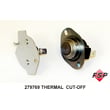
| No heat, then shuts down | Thermal fuse or cut-off | Dryer thermal fuse WP3390719 / cut-off kit 279769 |
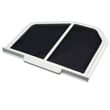
| Long dry times, hot cabinet | Airflow restriction | Lint screen, vent ducting, blower path |
A failed heating element can be the result of restricted venting. Fixing the element without fixing airflow often leads to repeat failures, blown thermal fuses, and longer dry times.
- Confirm the lint screen is clean and seated.
- Verify the vent line is not crushed and the outside hood opens freely.
- Run 5 to 10 minutes on a heated cycle; confirm warm air at the exhaust.
For model-specific access steps and wiring reference, use the 11060952990 owner’s manual.
Last updated: January 2026
What is the life expectancy of a Kenmore dryer?
Most Kenmore electric dryers like model 11060952990 last 10 to 13 years with normal household use. With consistent vent cleaning, correct loads, and quick repairs when symptoms start, it’s common for this style of dryer to reach 15 to 20 years.
Here’s a practical way to think about dryer life based on use and care:
| Usage and care level | Typical life expectancy | What usually ends the dryer first |
|---|---|---|
| Light use, excellent airflow | 15 to 20 years | Wear parts (rollers, idler), timer/switches |
| Average family use | 10 to 13 years | Heating or airflow-related failures |
| Heavy use, restricted venting | 7 to 10 years | Overheating damage, repeated thermal fuse trips |
We see the biggest longevity gains from airflow and basic mechanical upkeep:
- Clean the lint screen every load and wash the screen residue off periodically.
- Keep the vent run short and clear; remove lint buildup from the duct and exterior hood.
- Avoid overloading; heavy loads strain the drum support system and drive components.
- Stop using the dryer if it starts squealing, thumping, or grinding; fix wear parts early.
- Use the right cycle and heat setting; excessive heat accelerates element and thermostat wear.
These are normal wear or protection parts that often determine whether an older dryer keeps going:
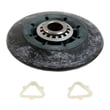
- Support kit WPW10314173 (drum support rollers; reduces rumbling and drum wear)
- Dryer thermal fuse WP3390719 (safety device; often opens when airflow is restricted)
- Dryer heating element WP3387747 (heat source; can fail with age or overheating)
A dryer that is slow to dry or runs hot usually has an airflow problem first; that extra heat stresses the heating circuit and safety fuses. Keeping airflow strong is the simplest way to protect the motor, heater, and controls.
For cleaning intervals, venting guidance, and cycle tips specific to Kenmore model 11060952990, use the 11060952990 owner's manual.
Last updated: January 2026