View engine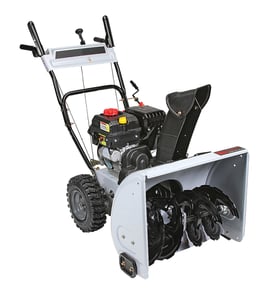



What's better, a 2 stage or 3 stage snow blower?
A 2-stage snow blower is the better choice for most homeowners because it clears typical snowfall efficiently and is easier to maneuver; a 3-stage is better when you regularly face heavy, wet, or packed snow and want faster intake and throwing performance. Your Craftsman C950-52318-3 is a dual-stage snow blower, which fits the “2-stage” category.
Quick comparison
| Feature | 2-stage (dual-stage) | 3-stage |
|---|---|---|
| Best for | Most driveways, sidewalks, moderate snow | Heavy, wet, icy, end-of-driveway plow piles |
| Snow intake | Auger feeds impeller | Accelerator helps pull snow in faster |
| Speed in deep snow | Good | Better |
| Complexity | Lower | Higher |
| Typical maintenance | Belts, skid shoes, scraper bar | Same items plus more moving parts |
How to choose for your driveway
- Choose 2-stage if you clear 1 to 12 inches most storms and want a simpler, easier-to-own machine.
- Choose 3-stage if you often clear 12+ inches, heavy slush, or dense plow berms and want maximum throughput.
- If your area gets mixed conditions, a well-maintained 2-stage with correct skid height and sharp scraper bar usually performs extremely well.
- If you have gravel, prioritize adjustable skid shoes and keep the scraper bar set to avoid picking up stones.
What “better” means in real use
- Better value and reliability: 2-stage designs have fewer components to service.
- Better raw performance: 3-stage designs typically move more snow per minute in tough conditions.
- Better control: 2-stage units often feel more predictable in tight spaces.
Why it matters
Choosing the right stage helps you match power and complexity to your snowfall. For a 2-stage like the Craftsman C950-52318-3, keeping wear items fresh (especially belts and ground-contact parts) preserves throwing distance, drive traction, and overall clearing speed.
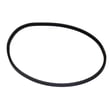
If your auger or drive performance is slipping, common wear items to check include the auger belt 37X120MA and snowblower drive belt 1733324SM.
Last updated: January 2026
What is the best month to buy a snowblower?
For a Craftsman dual-stage snow blower like model C950-52318-3, the best months to buy are typically September and October for the best mix of price and selection, or March and April for the lowest clearance pricing (with fewer models left). Mid-winter usually has the highest prices and the least availability.
Best time windows (and what you get)
- September to October (pre-season): best overall balance of deals, full inventory, and time to assemble and test.
- November (holiday sales): strong promotions, but popular models can sell out quickly.
- March to April (post-season clearance): deepest discounts, but limited selection and fewer accessories in stock.
- December to February (peak season): highest demand; prices rise and inventory drops.
Quick comparison by month range
| When you buy | Typical pricing | Selection | Best for |
|---|---|---|---|
| Sep to Oct | Good | Best | Most shoppers who want choice and value |
| Nov | Good to very good | Good | Deal-hunters who can buy fast |
| Dec to Feb | Fair to poor | Limited | Emergency replacement only |
| Mar to Apr | Best | Lowest | Lowest price if you are flexible |
What to check before you buy (so you do not return it)
- Confirm the clearing width and intake height fit your driveway and snowfall.
- Choose electric start if you regularly start in very cold weather.
- Verify you can still get common wear items like an auger belt 37X120MA and a snowblower drive belt 1733324SM.
- Inspect skid shoes and scraper bar condition; worn parts reduce performance on uneven pavement.
- Plan for fuel storage (fresh fuel, stabilizer) and off-season maintenance.
Why it matters
Buying pre-season (September to October) gives you time to set up, adjust skid height, and test the auger and drive systems before the first storm. Buying post-season (March to April) saves the most money, but you trade away selection and convenience.
Last updated: January 2026
Are snowblower belts universal?
No. Snowblower belts are not universal; the correct belt for a Craftsman dual-stage snow blower like model C950-52318-3 must match the exact length, width, and belt profile so the auger and drive systems engage smoothly without slipping, squealing, or premature belt failure.
What “not universal” means for snowblower belts
Belts can look similar, but small differences change how your pulleys and idlers work.
- Length: too long slips; too short over-tensions and wears bearings and idlers
- Width: wrong width rides too high or too low in the pulley groove
- Profile/type: standard V-belts and fractional-horsepower belts behave differently under load
- Application: most dual-stage units use two different belts (auger belt vs drive belt)
- Construction: aramid-reinforced belts typically hold up better in cold, high-load use
How to choose the right belt for C950-52318-3
For this model, start by identifying which function is failing (wheels not pulling vs auger not turning), then match the belt to that system.
| If your symptom is… | Most likely belt type | What to check first |
|---|---|---|
| Wheels do not move or slip in forward/reverse | Ground drive belt | Belt glazing, cracking, slack, oil contamination |
| Auger/impeller stops under load | Auger drive belt | Belt stretch, pulley alignment, idler tension |
Model-matched options we commonly see customers use include the snowblower drive belt 1733324SM for ground drive and the auger belt 37X120MA for auger/impeller drive.
Quick checks before you replace a belt
These steps prevent repeat failures after installing a new belt.
- Confirm the belt is routed correctly and seated fully in each pulley groove
- Inspect pulleys for rust, sharp edges, or wobble
- Check idler pulley spin and spring tension (weak tension causes slipping)
- Clean any oil or fuel residue off pulleys and belt area
- After installation, run the machine briefly and recheck belt tracking
Why it matters
A “close enough” belt can slip and overheat, which reduces throwing distance, weakens self-propel, and can damage pulleys and idlers. Using a model-correct belt restores proper engagement and protects the drive system.
Last updated: January 2026
What size belt is a Craftsman 24 snowblower?
For the Craftsman dual-stage snow blower model C950-52318-3, belt “size” depends on which belt you mean: the auger belt (drives the auger/impeller) or the ground drive belt (moves the wheels). Match the belt by function and by the exact replacement part used on your machine, not by “24-inch” alone.
Which belt are you replacing?
Most 24-inch-class dual-stage snowblowers use two belts; they are not interchangeable.
- Auger belt: powers the auger and impeller (snow throwing)
- Drive belt: powers the traction drive (self-propel)
- Some models also use idlers and guides that affect fit and tension
Correct belt options for model C950-52318-3
Use the belt type and part ID to ensure the correct match.
| Belt function | Correct replacement part for this model | What it affects |
|---|---|---|
| Auger/impeller drive | Auger belt 37X120MA | Throwing snow, auger engagement |
| Ground/traction drive | Snowblower drive belt 1733324SM | Forward/reverse movement, wheel drive |
How to confirm you have the right belt size
If you are trying to match by measurement, use the old belt only as a reference and confirm by part ID.
- Check the belt you removed for printed numbers (often the easiest match)
- Compare belt width and construction (wrapped vs cogged) to the original
- Inspect pulleys and idlers for wear; worn parts can make a correct belt seem “wrong”
- Verify routing before tensioning; misrouting causes slipping and premature failure
Why it matters
A “24-inch Craftsman snowblower” description is not specific enough; different sub-models use different belt specs. Matching the correct auger or drive belt for C950-52318-3 prevents slipping, poor snow-throwing performance, and belts jumping off pulleys.
Last updated: January 2026