
Is centralized AC expensive to run?
Central AC can be expensive to run, but the real cost depends on your electricity rate, thermostat settings, outdoor temperature, and how efficiently your Icp ACS036A2C1 is operating. In many homes, monthly cooling cost commonly lands around $60 to $200 during the hottest months.
What drives the monthly cost
- Local electric rate (cents per kWh): the biggest variable from one area to another
- Run time: long cycles from extreme heat, poor insulation, or low thermostat settings raise cost
- System efficiency and condition: dirty coils, weak airflow, or failing electrical parts increase run time
- Home size and heat gain: sun exposure, attic insulation, and air leaks matter
- Ductwork losses: leaky or uninsulated ducts can waste a lot of cooled air
Quick ways to lower operating cost (without sacrificing comfort)
- Set the thermostat a bit higher (even 2 to 3°F can reduce run time noticeably)
- Replace/clean the air filter on schedule to keep airflow strong
- Keep supply and return vents open and unblocked
- Shade windows and reduce heat sources (ovens, lamps) during peak heat
- Have the outdoor condenser coil kept clean and unobstructed
When “expensive to run” points to a repair issue
If your ACS036A2C1 suddenly costs more to run, struggles to cool, or short-cycles, an electrical or airflow problem can be forcing longer run times.
| Symptom | What it often means | What to check first |
|---|---|---|
| Outdoor unit will not start | Control/electrical issue | Breaker, disconnect, wiring, contactor |
| Hums but fan does not spin | Fan/blade or motor issue | Debris, blade damage, capacitor/motor testing |
| Runs constantly, weak cooling | Airflow/coil/charge issue | Filter, indoor airflow, coil cleanliness |
Model-specific parts we commonly see involved in outdoor-unit starting and airflow include the plug wire 1083654 and fan blade 1085958.
Why it matters
Central air is one of the highest energy loads in most homes. Keeping your Icp system running efficiently reduces monthly cost and also helps prevent heat-related wear on the compressor and fan motor.
To price and order replacement parts for Icp ACS036A2C1, use the parts list for this model or search by model number on Sears PartsDirect.
Last updated: February 2026
What are the 5 main parts of AC?
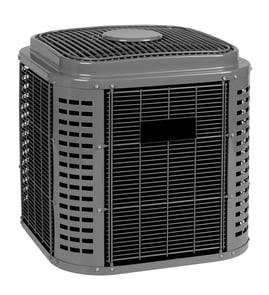
The 5 main parts of a central air conditioner like Icp model ACS036A2C1 are the compressor, condenser coil, expansion device (metering device), evaporator coil, and the blower (indoor fan). Together, they move heat out of your home and circulate cooled air through your ductwork.
The 5 main parts and what each one does
- Compressor (outdoor unit): Pumps refrigerant through the system and raises its pressure and temperature.
- Condenser coil (outdoor unit): Releases heat to the outdoor air as refrigerant condenses.
- Expansion device (TXV or fixed orifice): Drops refrigerant pressure so it can absorb heat again.
- Evaporator coil (indoor unit): Absorbs heat and humidity from indoor air as refrigerant evaporates.
- Blower (indoor fan): Pushes air across the evaporator coil and through your vents.
How these parts work together (quick flow)
| Step | Location | What happens | What you notice |
|---|---|---|---|
| 1 | Indoor | Blower moves warm return air across evaporator coil | Air starts cooling at vents |
| 2 | Indoor | Refrigerant absorbs heat in evaporator coil | Indoor humidity drops |
| 3 | Outdoor | Compressor pressurizes refrigerant | Outdoor unit runs steadily |
| 4 | Outdoor | Condenser coil dumps heat outside | Warm air blows from the top of the unit |
| 5 | Indoor/Outdoor | Expansion device drops pressure to restart cycle | Cooling continues |
Parts on this model that support the cooling cycle
Some service parts do not create cooling by themselves, but they help the outdoor unit start and run reliably:
- Fan blade 1085958: Moves outdoor air through the condenser coil to remove heat.
- Plug wire 1083654: Helps provide an electrical connection where used in the unit wiring.
Why it matters
When one of the five main components is weak or failing, you typically see poor cooling, icing, short cycling, or the outdoor unit running without strong airflow. Checking airflow-related parts (like the condenser fan blade) helps protect the compressor and restore normal performance.
You can order replacement parts for ACS036A2C1 from the parts list for this model, or search by model number on Sears PartsDirect.
Last updated: February 2026
What is the most expensive part to replace on an AC unit?
On an Icp central air conditioner like model ACS036A2C1, the most expensive single component to replace is typically the compressor because it is a sealed-system repair that includes major labor and refrigerant handling. A failed evaporator or condenser coil is usually the next most expensive repair.
Most expensive AC repairs (what drives the total cost)
These items usually create the biggest bill because they combine high-cost parts with specialized labor:
- Compressor: refrigerant recovery, brazing, evacuation, recharge, and electrical checks
- Evaporator coil (indoor) or condenser coil (outdoor): expensive coil plus sealed-system work
- Refrigerant leak repair: leak detection, repair, and recharge often add up quickly
- Major electrical controls (when used): diagnosing and replacing failed controls can be time-consuming
What’s often cheaper on ACS036A2C1 (and still worth checking)
Many “won’t start” or “no cooling” complaints are caused by smaller electrical or airflow parts.
| Part or repair type | Typical relative cost | Why it matters |
|---|---|---|
| Compressor replacement | Highest | Restores refrigerant pumping; requires sealed-system work |
| Coil replacement | High | Fixes major leaks/restrictions; sealed-system repair |
| Switching/electrical parts | Low to moderate | Can stop the outdoor unit from running at all |
| Airflow parts | Low to moderate | Poor airflow can cause overheating and weak cooling |
If the outdoor unit will not run or the condenser fan is damaged, a common, lower-cost fix is replacing the fan blade; use the model-matched fan blade 1085958 when the original blade is bent, cracked, or wobbling.
Why it matters
Compressor and coil failures are expensive because they are not simple “bolt-on” repairs; they require sealed-system procedures, correct refrigerant charging, and final performance checks to prevent repeat failures.
Repair vs. replace: quick decision checklist
We use these practical factors to decide the best path:
- System age and overall condition (corrosion, repeated leaks)
- Whether the failure is sealed-system (compressor/coil/leak) or electrical/airflow
- Evidence of overheating (dirty coil, restricted airflow, damaged fan blade)
- Breaker trips or hard-start symptoms
- Correct part availability for ACS036A2C1
For ordering, use the parts list for ACS036A2C1 or search by model number on Sears PartsDirect.
Last updated: February 2026