




Can I replace dishwasher parts myself?
Yes, for the GE GDT650SMV0ES dishwasher, we can replace many common parts ourselves with basic hand tools, especially mechanical items like spray arms, rack hardware, and some seals. For electrical diagnosis or water-leak repairs, we still can DIY, but we should use extra safety steps and careful troubleshooting.
Good DIY candidates on GDT650SMV0ES
These repairs are usually straightforward and low-risk when power and water are shut off:
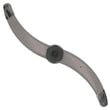
- Replace a worn or clogged spray arm such as the spray arm WD22X33499
- Replace a loose or damaged rack support like the dishwasher dishrack roller bracket WD01X35298
- Swap a cracked or warped basket such as the dishwasher silverware basket WD28X24469
- Replace a leaking door-area seal such as the dishwasher tub gasket WD08X23477
Repairs that take more care (but are still doable)
These parts affect water flow, draining, or electronics; plan for more disassembly and testing:
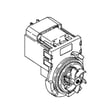
- No drain or standing water: dishwasher drain pump WD19X25461 or dishwasher drain hose WD24X10062
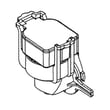
- Not filling or weak fill: water valve assembly WD15X27703
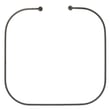
- Heating and drying issues: heating element WD05X35098
- Wash performance and circulation issues: wash pump WD19X32518 or dishwasher sump and seal assembly WD19X28199
- Error codes or “dead” behavior: configured machine control board WD21X35479
Safety checklist before you start
- Turn off power at the breaker (do not rely on the door switch).
- Shut off the dishwasher water supply valve.
- Protect the floor; keep towels and a shallow pan ready.
- Take photos of wire connectors and hose routing before removal.
- Run a short test cycle after reassembly and check for leaks.
Quick “DIY difficulty” guide
| Repair type | Typical tools | Typical time |
|---|---|---|
| Spray arm, rack parts, basket | Screwdriver, pliers | 10 to 30 minutes |
| Drain hose, valve, gasket | Pliers, nut driver | 30 to 90 minutes |
| Pump, sump, control board | Nut driver, multimeter (recommended) | 1 to 3 hours |
Why it matters
Choosing the right DIY level helps prevent repeat leaks, poor cleaning, and nuisance error codes. If your dishwasher is showing a code, we use the GE electronic dishwasher error codes guide to narrow the problem before buying parts.
Last updated: February 2026
What is the average life expectancy of a GE dishwasher?
A GE dishwasher typically lasts 10 to 12 years. For your GE GDT650SMV0ES, lifespan depends most on water quality, how often it runs, and routine maintenance like keeping spray arms clear and fixing small leaks early.
Typical lifespan range (what to expect)
Most dishwashers fall into a predictable range based on use and care:
- 8 to 10 years: heavy daily use, hard water, limited cleaning/maintenance
- 10 to 12 years: average household use with basic upkeep
- 12 to 15 years: lighter use plus consistent maintenance and quick repairs
Quick comparison
| Usage and care level | Common outcome | What usually ends the run |
|---|---|---|
| Heavy use + hard water | Shorter lifespan | Pump wear, leaks, heating issues |
| Average use + basic upkeep | Average lifespan | Drain problems, wash performance decline |
| Light use + proactive upkeep | Longer lifespan | Age-related seals, electronics |
What extends the life of a GE dishwasher
These steps reduce strain on the wash system, drain system, and heater:
- Clean the filter area and remove debris from the sump regularly.
- Keep the spray arms spinning freely; clear clogged jets if wash quality drops.
- Use the right detergent amount; too much can cause residue and poor rinsing.
- Run hot water at the sink before starting a cycle to improve cleaning and reduce run time.
- Address small leaks quickly; a worn gasket can lead to bigger damage.
If cleaning performance drops, a worn or clogged spray arm is a common, fixable cause; see the spray arm WD22X33499.
Signs it is nearing end of life
If you see multiple symptoms at once, repairs often become more frequent:
- Dishes stay gritty or cloudy even after cleaning the spray arms
- Standing water or repeated drain issues
- Burning smell, poor drying, or cycles that stop mid-run
- New leaks around the door or tub edge
- Loud grinding or humming from the pump area
For troubleshooting help when the dishwasher displays a code or beeps, use GE dishwasher error codes.
Why it matters
Knowing the typical lifespan helps you decide when a repair (like a pump, valve, or gasket) makes sense versus planning for replacement, especially if the unit is already past the 10 to 12 year mark.
Last updated: February 2026
What is the most common problem with GE dishwashers?
The most common GE dishwasher problem (including model GDT650SMV0ES) is a drain or wash-performance issue caused by food debris buildup in the filter area, drain path, or spray system. Many “won’t drain” or “not cleaning” complaints improve after cleaning and a quick inspection of key parts.
Most common symptoms we see
- Water left in the bottom after the cycle
- Dishes come out gritty or still dirty
- Dishwasher stops mid-cycle or seems to run but not wash well
- Unusual humming or grinding during drain
- Intermittent starting problems tied to the door closing/locking
Quick checks that solve many problems
- Power off the dishwasher at the breaker before reaching into the sump area.
- Remove standing water (if present) and clear visible debris near the drain intake.
- Check that the sink drain/disposal is clear and the dishwasher drain path is not restricted.
- Inspect spray arms for clogged jets and confirm they spin freely.
- Run a cleaning cycle using a dishwasher cleaner and verify hot water supply to the unit.
Parts that commonly cause these issues on GDT650SMV0ES
| Problem area | What fails | What you’ll notice | Example part to check |
|---|---|---|---|
| Draining | Drain pump or restriction | Water remains, drain hum | Dishwasher drain pump WD19X25461 |
| Washing/spray | Spray arm clogged or damaged | Poor cleaning, no spray pattern | Spray arm WD22X33499 |
| Filling/water level | Pressure sensing issue | Underfilling, weak wash | GE dishwasher pressure sensor WD21X25468 |
| Starting/locking | Door latch not securing | Won’t start, stops when bumped | Dishwasher door latch lock WD01X29878 |
Why it matters
Drain and spray problems often look like “the dishwasher is broken,” but they are frequently caused by a simple blockage or a worn pump or spray component. Fixing the root cause restores cleaning performance and helps prevent leaks and repeat clogs.
Helpful troubleshooting guides
- Use GE electronic dishwasher error codes to match beeps/blinks or displayed codes to likely causes.
- If the unit has power but won’t run, follow dishwasher wont start video to narrow down door latch and control checks.
Last updated: February 2026





