Error Codes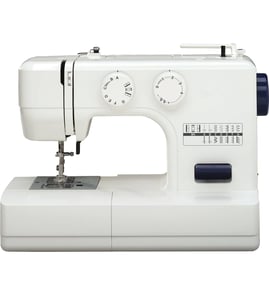

When was the Kenmore 15819131 sewing machine made?
The Kenmore 15819131 sewing machine was made during the era when Kenmore’s 158-series mechanical machines were produced (commonly mid-20th century into the 1970s). For an exact build year, use the machine’s identification plate details (model and any serial or code markings) to narrow the production window.
Where to look on the machine
Check these common locations for the ID plate or stamped markings:
- Back of the machine body near the power cord or handwheel
- Underside of the base (tilt the machine back safely)
- Inside the front faceplate area (near the needle bar)
- On the bed near the pillar (front right area on many mechanical machines)
How to narrow down the manufacturing date
Because Kenmore 158-series machines were produced across multiple years, the most reliable way to date your 15819131 is by matching its markings and features.
| What you find | What it usually tells you | What to do next |
|---|---|---|
| Model number only (158.19131 or 15819131) | Confirms the model family | Compare your machine’s features to known 158-series variants |
| Serial number or letter-number code | Often narrows the production run | Record it exactly and use it when researching parts and service info |
| “Made in” marking | Points to the manufacturing source | Use it as a clue when comparing to similar 158-series machines |
Why it matters
Knowing the approximate production era helps us match the right parts and service approach for a mechanical sewing machine, especially for wear items like belts, motor components, and feed mechanism parts. It also helps when troubleshooting symptoms such as fabric not moving, sluggish running, or a machine that locks up.
Helpful troubleshooting resources
If you are dating the machine because it is acting up, these guides help you diagnose common issues:
Last updated: February 2026
Who made Kenmore 15819131 sewing machines?
Kenmore model 15819131 sewing machines were made for Sears by a contract manufacturer, not by Kenmore itself. For many Kenmore 158-series machines, the builder was typically a Japanese sewing machine maker; the exact factory can vary by production run and identification markings.
How to identify the actual manufacturer
Look for these clues on your Kenmore 15819131 sewing machine; they are the most reliable way to narrow down who built it.
- Check the data plate (often on the back or underside) for “Made in …” and any factory codes
- Look for a prefix code (Kenmore “158” commonly indicates a Japanese-built machine)
- Inspect the motor tag for a separate manufacturer name
- Check inside the handwheel side cover for stamped casting marks
- Compare the machine’s bobbin style (front-load vs. drop-in) and hook assembly layout
Common 158-series manufacturing background (what “158” usually means)
Sears used the Kenmore name and sourced many 158-series machines from Japanese manufacturers. In practical terms, that means parts fit and service procedures often align with other Japanese-built mechanical machines from the same era.
| What you see on the machine | What it usually indicates | Why it matters |
|---|---|---|
| “158” model prefix | Contract-built, commonly Japan | Helps when matching parts and service steps |
| All-mechanical controls | No electronic error display | Troubleshooting focuses on timing, tension, belts, and lubrication |
| Metal internal frame | Heavier-duty build | Often repairable with cleaning and adjustment |
Why it matters for parts and repairs
Knowing the contract manufacturer helps when you are matching wear items (belts, motor components, bobbin-case parts) and when you are using repair instructions written for similar mechanical Kenmore machines.
For troubleshooting steps that apply to many Kenmore sewing machines, use our DIY resources like sewing machine repair-guides landing page.
Last updated: February 2026
What is the difference between a sewing machine and a mechanical sewing machine?
A mechanical sewing machine (like the Kenmore 15819131) uses knobs, dials, and levers to set stitch type, stitch length, and tension, while an electronic/computerized sewing machine uses buttons and a control board to offer more built-in stitches and easier, more precise adjustments.
Quick comparison
| Feature | Mechanical sewing machine | Electronic/computerized sewing machine |
|---|---|---|
| Controls | Manual dials and levers | Buttons, screen, or keypad |
| Stitch selection | Fewer built-in stitches | More built-in stitches and patterns |
| Stitch length/width changes | Manual adjustment | Often finer, easier adjustment |
| Repair profile | More mechanical wear items | More electronics (boards, sensors) |
| Best for | Simple sewing, durability, learning basics | Convenience features, decorative stitches |
What this means for Kenmore 15819131 owners
Because the 15819131 is a mechanical model, most day-to-day issues are tied to setup and moving parts (thread path, tension, needle condition, feed dogs, belt, or motor) rather than software settings.
Common mechanical-machine advantages:
- Straightforward controls; you can see and feel adjustments
- Typically durable for basic sewing and mending
- Often easier to troubleshoot for jams, skipped stitches, and sluggish running
Common electronic-machine advantages:
- More stitch options and automatic features (varies by model)
- Faster switching between stitch types
- Often simpler fine-tuning of stitch width and stitch length
Troubleshooting tip (when the “difference” shows up in real use)
If fabric is not feeding well, a mechanical machine usually needs a mechanical check first.
Start here:
- Confirm the presser foot is lowered while sewing
- Check stitch length is not set to 0
- Clean lint around the feed dogs and under the needle plate
- Replace a bent or dull needle
- Rethread the upper thread with the presser foot raised
For step-by-step help, use our DIY guide: sewing machine fabric not moving.
Why it matters
Knowing whether your Kenmore 15819131 is mechanical helps you troubleshoot faster: mechanical models respond best to cleaning, correct threading, and simple adjustments, while electronic models often add control settings and electronics into the diagnosis.
Last updated: February 2026
Are older sewing machines worth anything?
Yes. Older sewing machines can be worth money, but most common vintage machines sell for modest amounts unless they are rare, complete, and sew well. For a Kenmore 15819131 mechanical sewing machine, value usually comes from condition, smooth operation, and included accessories more than age alone.
What drives the value most
- Working condition: stitches form correctly, motor runs, and the handwheel turns freely
- Completeness: foot pedal, power cord, bobbins, presser feet, case, and attachments
- Cosmetic condition: clean paint, minimal rust, no cracks in plastic parts
- Service history: recently cleaned and lubricated typically sells faster
- Local demand: vintage sewing interest varies by area and season
Quick value checklist (practical)
Use this to estimate where your machine typically lands.
| Condition | What it looks like | Typical value outcome |
|---|---|---|
| Not running / locked up | Motor hums, handwheel stuck, missing pedal | Mostly parts or restoration project |
| Runs but needs tuning | Skips stitches, tension issues, noisy | Lower to mid range |
| Fully functional | Smooth feed, consistent stitches, normal sound | Mid range |
| Rare or collectible | Uncommon model, exceptional condition, complete kit | Higher range |
How to check it quickly before selling
- Turn the handwheel toward you; it should rotate smoothly without binding.
- Test stitch formation on cotton fabric with a new needle and quality thread.
- Confirm the feed dogs move fabric evenly (no bunching or stalling).
- Listen for grinding or knocking that suggests dried grease or worn bearings.
- Inspect wiring and pedal for cracking or overheating.
Common issues that reduce value (and what they mean)
If you see these symptoms, it often signals a simple service need, but buyers price accordingly.
- Fabric not moving: feed dog or presser foot pressure issue
- Machine locks up: thread jam, seized mechanism, or hardened lubricant
- Motor will not run: pedal, switch, or motor problem
Related troubleshooting help: sewing machine fabric not moving, sewing machine locks up, sewing machine motor won't run
Why it matters
A vintage machine that actually sews reliably is worth more than a “pretty” machine that needs repairs. A basic clean-out, correct threading, and a stitch test can move a machine from “parts only” to “ready to use,” which is where most value is.
Last updated: February 2026
Is it worth repairing an old sewing machine?
Yes, repairing an older Kenmore sewing machine like model 15819131 is usually worth it when the machine has a solid metal drive, stitches consistently, and the repair restores core functions (power, feed, timing) at a reasonable cost compared with replacing the machine.
Quick way to decide (cost vs. value)
Use this checklist before you spend money on service or parts:
- The handwheel turns smoothly by hand (with the machine unplugged)
- The needle bar moves freely and does not bind
- The feed dogs rise and move fabric (or can be restored with cleaning)
- The motor runs without burning smell or heavy sparking at the brushes
- You can still get common wear items (belt, bobbin case, foot control, needle plate) through parts lookup
- The machine has sentimental value or you prefer its stitch quality and durability
When repair is a smart investment
Repairs tend to pay off when the fix is straightforward and improves reliability:
| Situation | Typical outcome | Worth it? |
|---|---|---|
| Cleaning, lubrication, basic adjustment | Restores smooth operation | Yes |
| New belt or motor service | Fixes sluggish or no-drive issues | Often |
| Electrical issue (switch, cord, foot control) | Restores power safely | Often |
| Severe timing damage or cracked castings | High labor, uncertain results | Usually no |
Common “old machine” problems that are usually fixable
These issues are frequently resolved with cleaning, adjustment, or a targeted part replacement:
- Fabric not moving (feed dogs lowered, lint jam, worn feed mechanism)
- Machine locks up (thread jam in hook area, dry bearings, bent needle)
- Motor will not run (foot control, switch, worn motor brushes, seized mechanism)
- Skipping stitches (needle type/size mismatch, timing slightly off, dull needle)
- Knocking or sluggish running (dry lubrication points, belt wear, debris)
For step-by-step troubleshooting paths, use our DIY guides like sewing machine locks up and sewing machine fabric not moving.
Why it matters
A well-maintained mechanical Kenmore can sew for decades because the design is serviceable and durable. Repairing the right problem protects stitch quality, prevents further wear (especially in the hook and drive system), and often costs less than replacing the machine with a comparable heavy-duty model.
Last updated: February 2026