Owner’s manual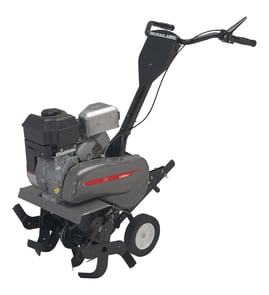

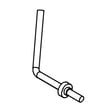
What are the benefits of a front tine tiller?
A front-tine tiller like the MTD 21A-342B062 is built for seedbed preparation, cultivating, furrowing, and mulching; it’s typically lighter and easier to maneuver and store than many rear-tine designs, which makes it a practical choice for most home gardens. For safe operation and control details, follow the 21A-342B062 operator’s manual.
Key benefits you’ll notice in the yard
- Easy handling: Front tines pull the machine forward, so it’s straightforward to guide in garden rows.
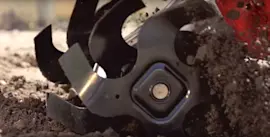
- Good for routine garden work: Designed for seedbed prep, cultivating, furrowing, and mulching.
- Simple depth control: The depth stake helps you manage how deep the tines dig.
- Adjustable stance for stability: Wheel height can be raised to keep the unit level as tines enter the soil.
- Compact storage: The overall layout is typically easier to park in a shed or garage.
How the design helps you work faster
Front-tine tillers are “precision built” for common garden tasks and are meant to reduce the hardest manual work of turning soil. On this style of tiller, you engage the tines with the tine drive clutch handle; releasing it stops the tines.
Common tasks and what to adjust
| Task | What you adjust | What it changes |
|---|---|---|
| Seedbed preparation | Depth stake, wheel height | Depth and how level the tiller runs |
| Cultivating between plants | Shallower depth stake setting | Less disturbance to roots |
| Furrowing | Depth stake, steady forward pace | More consistent trench depth |
| Mulching/mixing amendments | Moderate depth, multiple passes | More even blending |
Why it matters
Keeping the tiller level (by adjusting wheel height as the tines bite) supports proper engine operation and helps you get more consistent tilling depth and smoother control.
Last updated: February 2026
Can you pull a tiller backwards?
Yes, you can pull the MTD 21A-342B062 front tine gas tiller backward for repositioning, but we keep the tines disengaged and the engine off (or at idle with the tine controls released). Pulling it backward with the tines engaged can make it dig in and fight you.
Safe way to move it backward
- Release the forward tine engagement handle so the tines stop.
- If your handle panel has a reverse lever, release it too; never run forward and reverse drives together.
- Reduce throttle to idle, or shut the engine off for tight spaces.
- Lift slightly on the handles to take weight off the tines, then roll the unit back.
- Use the depth stake to limit how aggressively the tines bite into hard ground.
What to avoid (prevents “locking into the ground”)
When the tines are driving, they are designed to pull the machine into the soil. If you try to drag the tiller backward while the tines are still powered, it can:
- Dig in and stop suddenly
- Hop or “skip” on hard ground
- Stress the belt drive and clutch cable adjustment
Quick reference: backward movement vs reverse tine drive
| Situation | What you do | What happens |
|---|---|---|
| Repositioning the tiller | Tines disengaged; roll/pull backward | Wheels roll; tines do not drive |
| Backing while tilling (if equipped) | Use reverse tine drive lever only | Tines drive in reverse |
Why it matters
Keeping the tine controls released protects the belt drive and clutch system and makes the tiller easier to control. The manual also warns not to engage forward and reverse tine drives at the same time because it can damage the belt drives and stall the engine.
For control locations and operating steps specific to your handle setup, use the 21A-342B062 owner's manual.
Last updated: February 2026
Which is better, front or rear tine tiller?
Rear-tine tillers are better for breaking new ground and deep tilling in hard, compacted soil because they deliver more traction, stability, and consistent depth. A front-tine tiller like the MTD 21A-342B062 is better for smaller gardens, lighter cultivation, and tighter spaces where maneuverability matters; see the owner's manual for safe operation and control use.
Quick comparison: front-tine vs rear-tine
| Feature | Front-tine tiller (like 21A-342B062) | Rear-tine tiller |
|---|---|---|
| Best for | Existing beds, mixing compost, light cultivation | New ground, heavy clay, deeper tilling |
| Control effort | More operator effort in tough soil | Easier to hold a straight line |
| Maneuverability | High | Medium |
| Typical cost/weight | Lower/lighter | Higher/heavier |
How to choose for your yard
- Choose front-tine if you till a small to medium garden, work soil that is already loosened, or need to turn in tight rows.
- Choose rear-tine if you regularly cut into sod, hardpan, or heavily compacted soil, or you want maximum depth control.
- If you expect frequent vibration or “bouncing” in hard soil, rear-tine designs typically feel steadier.
- If you mainly cultivate and weed between plantings, a front-tine unit is usually faster to maneuver.
Why it matters (performance and safety)
Front-tine tillers can pull forward aggressively when the tines bite, especially in hard ground. For safe handling, we follow the same basics called out in the manual: keep hands and feet away from rotating tines, keep bystanders back, and shut off the engine before unclogging or making adjustments.
Operating tips that apply to both styles
- Start shallow, then increase depth gradually using the depth stake.
- Stop the engine and let tines fully stop before clearing rocks, roots, or debris.
- Never adjust cables, handle settings, wheels, or depth controls with the engine running.
- Never engage forward and reverse tine drives at the same time on models that have both.
Last updated: February 2026