Installation guide
 Owner’s manual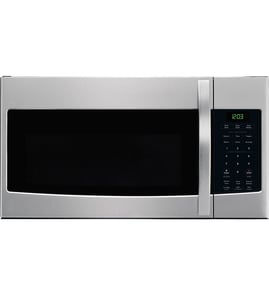



What are common problems with whirlpool microwaves?
Common problems on Whirlpool microwaves like model MH1170XSB0 include the oven not operating (often a door-closure or control setting issue), the turntable not turning, lights not working, and heating complaints that point to high-voltage components. We recommend starting with the quick checks in the owner's manual.
Most common symptoms (and what to check first)
- Nothing will operate: check the house fuse or circuit breaker; then confirm the unit is wired correctly per the installation guide.
- Oven will not operate: make sure the door is fully closed; check Control Lock or Demo Mode settings.
- Turntable will not operate: confirm packing tape is removed from the hub, the tray is seated correctly, and the support and rollers are clean.
- Display shows “:” or odd messages: a power interruption can cause this; reset the clock and clear the display.
- Fan runs during cooking or when the cooktop is hot: this is normal cooling behavior.
Parts that commonly solve “won’t start” or door-related issues
Door-interlock problems are a top cause of a microwave that has power but will not run. On MH1170XSB0, these parts are commonly involved:
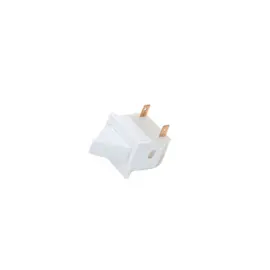
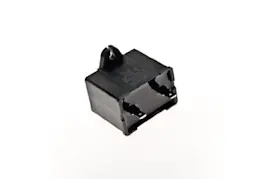
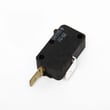
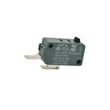
- Microwave/hood micro-switch W10269458
- Microwave/hood switch W10211972
- Microwave/hood switch W10211974
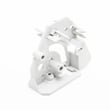
- Interlock WPW10156813
Quick symptom-to-part map
| Symptom | Most likely area | Example part on this model |
|---|---|---|
| Has power, won’t start | Door interlock circuit | Micro-switch or interlock |
| Turntable not moving | Turntable drive | Turntable motor |
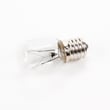
| Cooktop light out | Lamp | Light bulb |
Why it matters
Microwave/hood combos use door interlocks and safety devices to prevent operation with an unlatched door. If an interlock switch is sticking or out of alignment, the microwave may appear “dead” or refuse to start even though the display works.
Last updated: February 2026
What are the dimensions of the Whirlpool MH1170XSB0?
For the Whirlpool MH1170XSB0 microwave/hood combo, the installation guide shows a typical 30-inch overall width and an approximate 17 1/8-inch height for the unit. For the exact cabinet cutout and mounting clearances for your setup, use the installation guide.
Dimensions you can use for planning
These are the key measurements most customers need when replacing an over-the-range microwave or checking fit:
- Typical overall width: 30 in. (76.2 cm)
- Approximate unit height: 17 1/8 in. (43.5 cm)
- Common installation height reference: 66 in. (167.6 cm) to the bottom of the microwave (varies by range/cooktop)
- Outlet location: grounded 3-prong outlet inside the upper cabinet
Quick reference table
| Measurement | Value shown in guide | What it affects |
|---|---|---|
| Overall width | 30 in. typical | Cabinet fit and alignment over the range |
| Unit height | 17 1/8 in. | Vertical clearance and door swing |
| Transition clearance (roof venting) | 3 in. minimum above unit | Damper blade opening clearance |
Why it matters
Microwave/hood combos like the MH1170XSB0 need enough space for mounting hardware, venting, and the damper to open freely. If the cabinet opening is tight or the vent transition sits too close, you can end up with poor ventilation performance or installation issues.
Before you measure or install
- Measure the cabinet opening width and depth, not just the old microwave.
- Confirm whether you are set up for roof venting, wall venting, or recirculating.
- Make sure the vent path is clear so the damper can open fully.
- Verify the upper-cabinet outlet is a grounded 3-prong receptacle.
Last updated: February 2026
What is the difference between 1.7 and 1.9 cu ft microwave?
A 1.9 cu ft microwave gives you about 0.2 cu ft more cavity space than a 1.7 cu ft model, so larger plates and taller containers fit more comfortably. On over-the-range units like Whirlpool MH1170XSB0, the outside width is usually similar, but features like wattage and vent performance often differ.
What changes in real-world use
That extra 0.2 cu ft mainly affects what you can fit and how easily you can position food on the turntable.
- Bigger dishes fit easier (large dinner plates, wider bowls, some casserole shapes)
- More headroom for taller microwave-safe containers
- Less crowding around the turntable edges, which helps more even heating
- Potentially higher cooking power on some 1.9 cu ft models (faster reheat and cook times)
- Potentially stronger ventilation on some 1.9 cu ft microwave/hood combos
Size, power, and venting: quick comparison
Exact specs vary by model, but these are the most common differences shoppers notice.
| Feature | 1.7 cu ft | 1.9 cu ft |
|---|---|---|
| Interior capacity | Smaller | Larger |
| Exterior fit (OTR) | Often similar width | Often similar width |
| Typical cooking power | Often slightly lower | Often slightly higher |
| Vent performance | Varies by model | Varies; sometimes higher |
What to check before you switch sizes (especially for OTR installs)
For an over-the-range replacement, the install constraints matter as much as capacity.
- Confirm cabinet opening and mounting points using the installation guide
- Make sure the upper cabinet and wall structure can support the unit (OTR installs are heavy)
- Verify you have a grounded outlet in the upper cabinet
- If there is a left sidewall nearby, allow clearance so the door opens fully
- If you vent through the wall, confirm the damper and cutout alignment
Why it matters
Capacity is about fit and convenience, but installation is about compatibility. A 1.9 cu ft unit can be a great upgrade, but only if the cabinet space, venting path, and mounting layout match your kitchen setup.
Last updated: February 2026
What is the average lifespan of a whirlpool microwave?
A Whirlpool microwave typically lasts 7 to 10 years. For an over-the-range microwave/hood combo like Whirlpool MH1170XSB0, lifespan depends most on daily run time, keeping airflow paths clear, and avoiding overheating events; consistent care pushes it toward the high end.
What usually shortens microwave life
- Running the microwave empty (overheats internal components)
- Blocked venting or greasy filters that restrict airflow
- Slamming the door or forcing it shut (stresses door latches and interlock switches)
- Frequent power surges or repeated tripped breakers
- Heavy, back-to-back cooking cycles with little cool-down time
What you can do to help your MH1170XSB0 reach 10 years
- Clean the cavity and door seals regularly; grease and residue trap heat.
- Keep the hood intake and filters clean so the cooling fan can move air.
- Close the door gently and confirm it latches fully every time.
- Use microwave-safe cookware and avoid metal to prevent arcing.
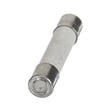
- If the unit goes dead or resets, check for a blown fuse or overheating condition before continued use.
Quick “repair vs. replace” guide
| Symptom | Most common cause | Typical next step |
|---|---|---|
| Runs but does not heat | High-voltage component issue | Professional service is usually the safest path |
| Dead/no display | Thermal fuse or internal fuse issue | Diagnose power and fuse circuit |
| Door won’t start unit | Door latch or interlock switch issue | Inspect latch alignment and switch mounting |
| Hood light out | Bulb failure | Replace the cooktop bulb |
Why it matters
Microwaves rely on door interlock safety switches, cooling airflow, and high-voltage parts working together. When airflow is restricted or the door is stressed, components wear faster and the microwave can stop heating or stop running altogether.
Helpful model-specific references and parts:
- Use the maintenance and troubleshooting steps in the owner's manual.
- If your cooktop light is out, the correct replacement is the microwave/hood light bulb 8206232A.
- If door closing issues cause intermittent operation, a common fix involves the door interlock switch system such as the microwave/hood micro-switch W10269458.
Last updated: February 2026