Owner’s manual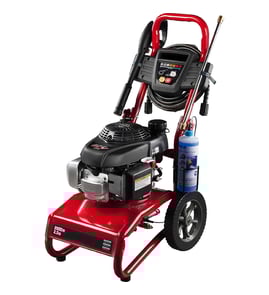



How to tell if your pressure washer pump is bad?
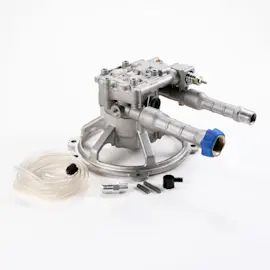
On the Craftsman 580752610 gas pressure washer, a bad pump usually shows up as low or surging pressure, water leaks at the pump, or the pump not priming even with a good water supply. Before condemning the pump, purge air and confirm proper hose connections as shown in the 580752610 manual.
Quick signs the pump is failing
- Pressure is weak, inconsistent, or pulses even at steady throttle
- Water leaks from the pump head or fittings (not just the hose connection)
- Pump will not prime after you purge air from the system
- Unusual pump noise (grinding, rattling, or squealing)
- Pressure drops significantly even after swapping to a known-good spray tip
Checks to do first (often fixes “bad pump” symptoms)
The manual calls out a few setup items that directly affect pump performance.
- Turn water ON and squeeze the trigger to purge air and impurities from the pump system
- Verify the high-pressure hose is connected to the pump outlet and tightened by hand
- Inspect and clean the inlet screen; do not run the unit if the inlet screen is damaged or missing
- Confirm water supply temperature is 100°F or less
- Avoid using a vacuum breaker or check valve right at the inlet; keep at least 10 ft of unrestricted garden hose before any such device
Symptom-to-cause guide
| What you notice | Most common cause | What to try next |
|---|---|---|
| Pulsing pressure | Air in pump, clogged inlet screen, worn unloader | Purge air; clean screen; follow how to replace a pressure washer unloader valve |
| Low pressure | Worn spray tip/nozzle, restricted water supply, pump wear | Try a different tip; verify supply; inspect for leaks |
| Leaks at pump head | Worn seals, cracked head/manifold | Check fittings; if leaking from head, plan pump service/replacement |
| No prime | Air leak at inlet, clogged screen, inlet restriction | Reseat hoses; clean screen; verify unrestricted hose run |
Why it matters
Running with a restricted water supply or trapped pressure can permanently damage the pump. The manual also notes that freezing can ruin the pump; protecting it during storage helps prevent “sudden pump failure” later.
Last updated: January 2026
Can you put 87 gas in a pressure washer?
Yes. For the Craftsman 580752610 gas pressure washer, we use clean, fresh regular unleaded gasoline; 87 octane is appropriate because the manual specifies a minimum of 86 octane and says not to mix oil with the fuel (use straight gasoline).
Fuel type and what to avoid
Follow these fuel guidelines to protect the carburetor and fuel system:
- Use regular unleaded gasoline (minimum 86 octane; 87 is fine).
- Do not mix oil with the gasoline.
- Avoid overfilling the tank; leave room for expansion.
- Wipe up spills and let fumes evaporate before starting.
- Be cautious with alcohol-blended fuels (ethanol/methanol blends) for long storage; they can cause fuel separation and corrosion.
For the exact wording and safety steps, use the 580752610 owner's manual.
Quick reference: common gas choices
| Gas at the pump | OK to use? | Notes |
|---|---|---|
| 87 octane regular unleaded | Yes | Meets the manual’s minimum octane requirement. |
| 89 to 93 octane premium | Yes | Typically runs fine; not required for normal operation. |
| Mixed gas (oil + gas) | No | The manual says do not mix oil with fuel. |
| Old/stale gas | No | Can cause hard starting, surging, and poor power. |
Why it matters
Using the correct octane and fresh fuel helps your Craftsman pressure washer start easier, run smoother under load, and reduces common fuel-related issues like rough running and carburetor varnish.
If the washer will sit for 30 days or longer
The manual recommends emptying the fuel system for longer storage. Practical steps:
- Drain the fuel tank.
- Run the engine until the fuel lines and carburetor are empty.
- Refill with fresh fuel next season.
- Never add engine or carburetor cleaner products to the fuel tank.
Last updated: January 2026
What is a good PSI for a gas pressure washer?
A good PSI for a gas pressure washer is the lowest pressure that cleans effectively for your surface. For Craftsman model 580752610, our specs list a 2,600 PSI maximum outlet pressure; that output is ideal for most homeowner cleaning when you pair it with the right spray tip and distance.
Recommended PSI ranges by job
Use these ranges as a practical guide, then adjust with spray tip selection and how close you work.
- 1,200 to 1,900 PSI: vehicles, patio furniture, grills, softer woods
- 2,000 to 2,800 PSI: decks, fences, siding, general concrete cleaning
- 2,800 to 4,000+ PSI: heavy concrete, stripping coatings (highest damage risk)
How 580752610 fits in
With a 2,600 PSI max rating, this Craftsman pressure washer lands in the sweet spot for general-purpose outdoor cleaning.
| Task | Typical PSI target | What to do on 580752610 |
|---|---|---|
| Washing vehicles | 1,200 to 1,900 | Use a wider fan spray tip and keep extra distance |
| Decks and fences | 2,000 to 2,800 | Work with the grain; avoid lingering in one spot |
| Driveways/sidewalks | 2,500 to 3,500 | Use steady passes; avoid etching by staying moving |
Setup details that affect real cleaning power
Your pressure at the wand depends on water supply and restrictions.
- Supply water at a flow rate greater than 3.3 GPM and no less than 20 PSI at the pressure washer end of the garden hose
- Purge air by squeezing the trigger until flow is steady
- Keep the high-pressure hose tight at the pump and spray gun
- Never run the pump without water connected and turned on
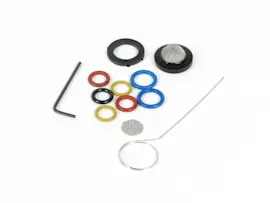
- If spray pattern is weak or uneven, replace worn tips (for example, a troybilt pressure washer spray tips kit 208041GS)
Why it matters
Too much pressure (or a narrow spray too close) gouges wood, etches concrete, and can force water behind siding. Too little pressure wastes time. Matching PSI range, spray tip, and distance cleans faster and protects surfaces.
For the model-specific specifications and operating steps, use the 580752610 owner's manual.
Last updated: January 2026